
Forget Starlink. ESA just tested gigabit-class satellite-to-airplane internet service
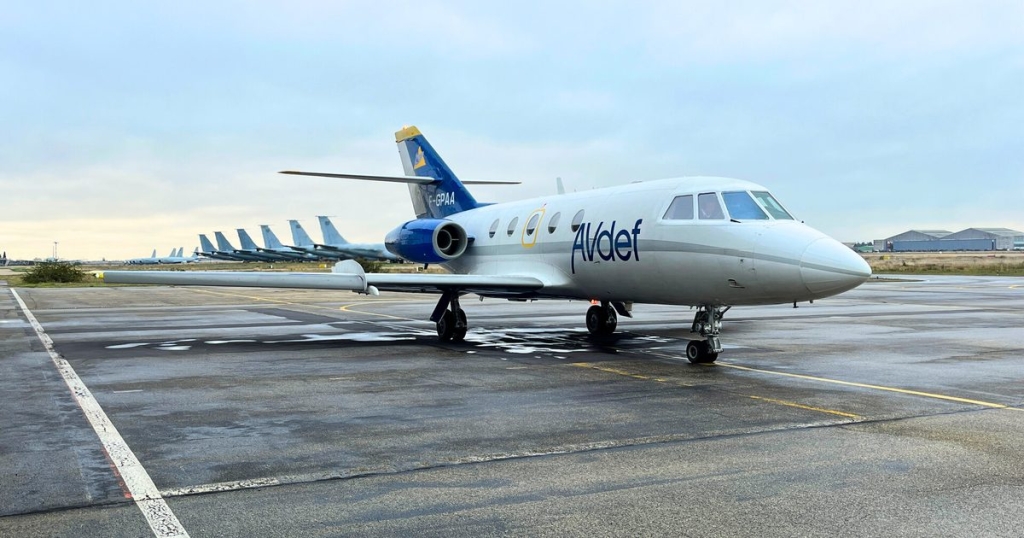
Europe’s Laser Breakthrough Promises Gigabit Wi-Fi at 36,000 Feet
Airplane Wi-Fi has long been a punchline—sluggish, unreliable, and barely worth the price. But a landmark test by the European Space Agency (ESA) and Airbus has just shattered that ceiling, delivering gigabit-speed internet from space to a moving aircraft using laser technology. This isn’t a lab demo—it’s a working system that achieved 2.6 gigabits per second during sustained flight, enough to download an HD movie in seconds.
The connection held steady for several minutes, even as the aircraft flew through clouds, maneuvered in turbulence, and battled atmospheric distortions. That’s the astonishing part: keeping a laser locked onto a satellite 36,000 kilometers above Earth while everything is moving is one of the hardest feats in modern communications. And yet, it worked.
Hitting a Moving Target from Space
The system uses Airbus’ UltraAir laser terminal, a precision-engineered device that must constantly track a satellite while compensating for the aircraft’s vibrations, altitude changes, and even sudden turns. Any break in the laser beam means losing the connection—but the terminal never faltered.
Laser communications offer two major advantages over traditional radio: they can transmit far more data and are much harder to intercept. While services like Starlink rely on radio waves to beam data from orbit, lasers use focused light beams, which are narrower, less prone to interference, and require less power. That makes them ideal for both commercial aviation and secure military use.
Europe’s Push for Autonomous, Secure Networks
This test is part of ESA’s HydRON program, a bold plan to create a space-based optical communications network—essentially fiber optics, but in orbit. Backed by the ScyLight initiative and funded by the Netherlands and Germany, the project is central to Europe’s strategy for technological independence.
As ESA’s Laurent Jaffart noted, the test solved critical challenges in laser communications, especially maintaining stability in harsh conditions. Airbus’ Francois Lombard called the precision required “extreme,” marking the dawn of a new era for satellite-laser links.
When Will You Experience This?
Not on your next flight—but the roadmap is now clear. ESA officials say connecting aircraft to networks like HydRON is a priority, with applications extending to ships at sea, vehicles in remote areas, and disaster zones where cell towers don’t exist. Deserts, oceans, and emergency scenarios could all benefit from resilient, high-speed laser links.
The hard engineering is done. Now comes the challenge of building the network—and Europe is determined to lead the way in secure, autonomous laser communications.
Tags: laser internet, airplane wifi, satellite communications, gigabit speed, ESA, Airbus, HydRON, optical networks, secure data, space tech, aviation innovation
Viral Phrases: “Gigabit Wi-Fi from space,” “Laser beam locks onto moving plane,” “Europe’s space internet revolution,” “Airplane internet just got a massive upgrade,” “The future of in-flight connectivity is laser-fast”
,

Leave a Reply
Want to join the discussion?Feel free to contribute!