
Four phones you should buy instead of the Samsung Galaxy S26 Ultra
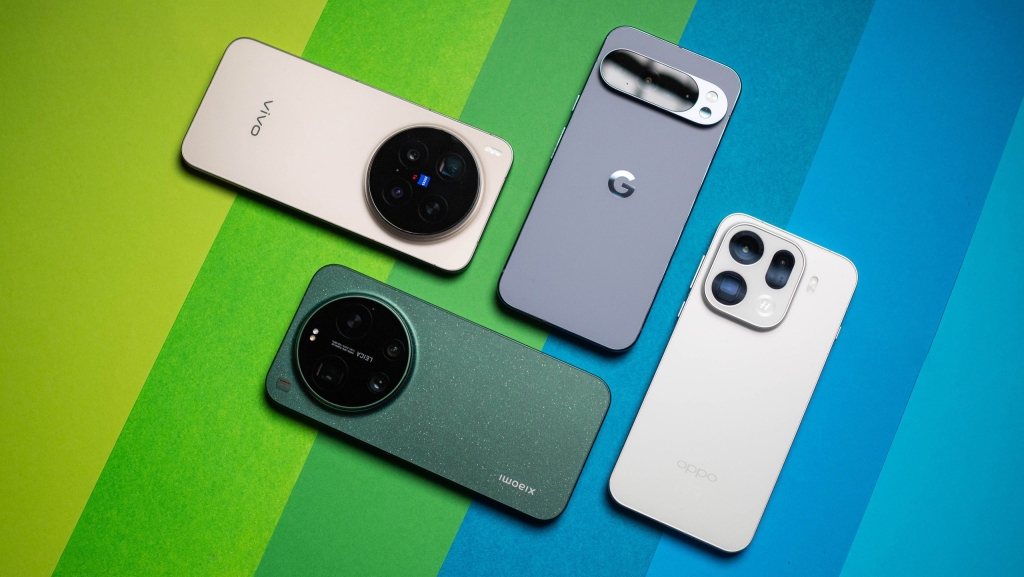
Samsung’s Galaxy S26 Ultra Falls Short: 5 Better Alternatives You Should Consider
If you’re a long-time Samsung fan eagerly awaiting the Galaxy S26 Ultra, I understand your excitement. You were probably hoping for groundbreaking upgrades: newer camera sensors, a sleeker design, a bigger silicon-carbon battery, or even Qi 2 magnets. Unfortunately, Samsung once again played it safe, delivering what amounts to a minor iterative upgrade. While there are subtle design tweaks and the usual hardware refinements, the S26 Ultra barely feels different from the Galaxy S23 Ultra at its core.
Meanwhile, Chinese manufacturers are pushing smartphone technology forward at an unprecedented pace. If you’re willing to explore beyond Samsung (as daunting as that may seem), there are several excellent alternatives that offer more innovation for your money.
I’ve compiled five devices that I personally prefer over the S26 Ultra—all phones I’ve used extensively for at least a month. As someone who tests over 75 phones annually, I believe I have a solid perspective on what makes a great flagship device.
## Find X9 Pro: The All-Around Champion
The Find X9 Pro is my top recommendation for anyone looking to upgrade this year. This phone excels in nearly every category: exceptional cameras, powerful internals, and a massive battery. While these features are standard on most flagships today, the Find X9 Pro simply executes them better than its competitors.
What sets this device apart is OPPO’s flawless execution. The design feels premium with excellent in-hand ergonomics, and after four months of use—including numerous drops—there’s no visible damage. The MediaTek-powered processor performs on par with Qualcomm’s latest offerings, and honestly, there aren’t many flaws to point out.
The Find X9 Pro’s global availability is limited, though it’s available in the U.K. and select Western markets, which is promising. The main reason to consider this phone is its camera system. Thanks to a new imaging engine and enhanced collaboration with Hasselblad, OPPO has elevated mobile photography to new heights. The primary lens performs exceptionally in challenging scenarios, the telephoto shooter works brilliantly at 3.7x magnification and doubles as a portrait lens, and even the wide-angle camera delivers impressive results.
After taking thousands of photos across six countries, I’m convinced the Find X9 Pro has one of the best camera systems available on any smartphone today.
## Vivo X300 Pro: Camera King
While the Find X9 Pro is the better all-around device, the Vivo X300 Pro takes the crown for camera performance. Vivo has made tremendous strides in mobile photography over the past two years, and I particularly appreciate the brand’s color science and image processing algorithms.
Although the camera sensors aren’t drastically different from the Find X9 Pro, Vivo’s superior tuning algorithms give it a competitive edge. In mobile photography, even a slight advantage matters significantly. The X300 Pro excels technically, producing stunning photos in virtually any lighting condition, with portrait shots that rank among the best available today.
The phone matches the Find X9 Pro’s caliber of internals and features a huge battery. However, there’s a notable caveat: the Western market model comes with a smaller 5,440mAh battery, while the Asian variant boasts a 6,510mAh capacity.
Vivo also revamped its software with OriginOS for the X300 Pro, offering a sleeker, more fluid interface with extensive customization options. While not available in North America, the camera system alone makes this a compelling upgrade over the Galaxy S26 Ultra, and Vivo is expanding its presence in select Western markets.
## Xiaomi 17 Ultra: The Imaging Powerhouse
I didn’t expect to enjoy using the Xiaomi 17 Ultra as much as I did. Xiaomi has addressed many of its previous software concerns, and the camera system is even better this year. Notably, Xiaomi remains the only major brand still using a 1-inch sensor on its main camera, making the 17 Ultra a true imaging powerhouse.
What impressed me most was Xiaomi’s improved tuning algorithms, resulting in better photo quality across all scenarios. I also appreciate the design—the green variant looks particularly exquisite—and the larger battery capacity ensures reliable performance during travel.
While Xiaomi’s software still doesn’t quite match its Chinese competitors, it has improved significantly compared to previous years. Another advantage is availability: the 17 Ultra is sold in the U.K. and other Western countries, and while it’s priced similarly to the S26 Ultra, you get substantially better camera performance.
## Pixel 10 Pro XL: AI and Software Excellence
Google’s Pixel phones operate differently from other manufacturers. You won’t find the same level of customization, and the interface requires some adjustment. Google’s AI-first approach also means the Tensor G5 processor isn’t as powerful as MediaTek or Qualcomm alternatives, so the Pixel 10 Pro XL doesn’t handle demanding games as well as its competitors.
However, if you prioritize useful AI features and excellent cameras, the Pixel 10 Pro XL is the most viable alternative to the Galaxy S26 Ultra in North America. For longtime Samsung users, the UI might take some getting used to, but Google’s AI capabilities are unquestionably superior to other manufacturers.
The camera system, while not featuring a massive 1-inch sensor, continues to impress thanks to Google’s exceptional image processing algorithms. The Pixel 10 Pro XL delivers fantastic photos consistently, making it a strong contender for those who value software experience and computational photography over raw hardware specifications.
## OnePlus 13: The Flagship Killer
The OnePlus 13 represents excellent value in the flagship segment. It features a vibrant display, capable cameras, and solid battery life. The software experience is clean and customizable, though it doesn’t quite match the polish of Samsung’s One UI or Google’s Pixel experience.
Powered by the latest Snapdragon processor, the OnePlus 13 delivers smooth performance across all tasks. The camera system, while not class-leading, produces reliable results in most scenarios. Battery life is respectable, and the phone supports fast charging.
What makes the OnePlus 13 particularly appealing is its competitive pricing—it typically costs less than comparable flagship devices while offering similar core features. For users in North America, it’s one of the more accessible alternatives to Samsung devices, available through OnePlus’s official channels and various carriers.
# Tags: #SamsungGalaxyS26Ultra #FindX9Pro #VivoX300Pro #Xiaomi17Ultra #Pixel10ProXL #OnePlus13 #SmartphoneAlternatives #MobilePhotography #AndroidFlagships #TechUpgrade #CameraPhones #MobileTech #SmartphoneReviews #AndroidAlternatives #FlagshipPhones
# Viral Phrases: “Samsung plays it safe again,” “Chinese manufacturers pushing boundaries,” “Find X9 Pro’s camera game-changer,” “Vivo’s color science mastery,” “Xiaomi’s 1-inch sensor advantage,” “Google’s AI superiority,” “OnePlus value proposition,” “flagship killer status,” “iterative upgrade disappointment,” “camera system revolution,” “software experience evolution,” “hardware innovation race,” “mobile photography breakthrough,” “tech upgrade dilemma,” “Samsung alternative reality”,


Leave a Reply
Want to join the discussion?Feel free to contribute!