
France says “au revoir” to Windows, “bonjour” to Linux
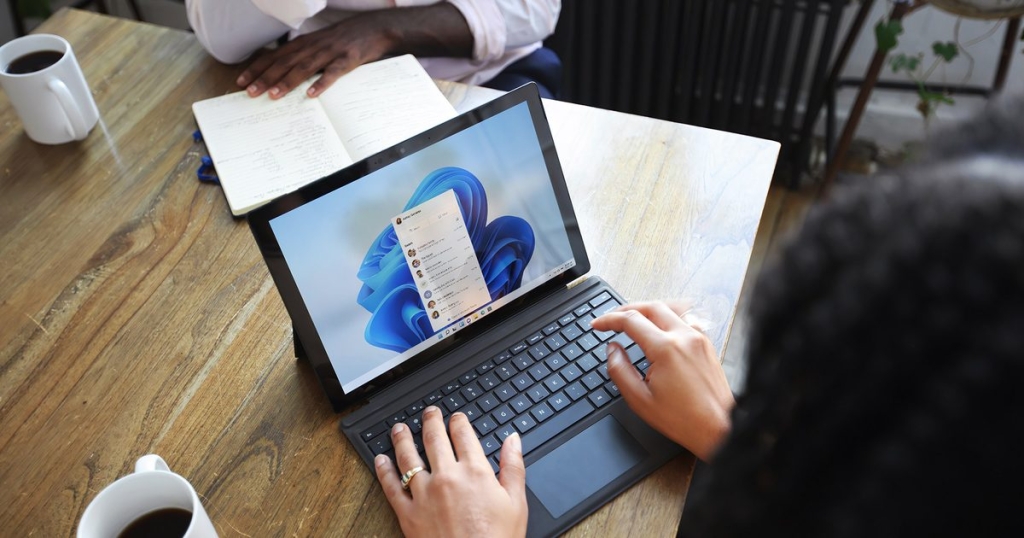
France Takes Bold Step Toward Digital Independence by Ditching Windows for Linux
In a groundbreaking move that could reshape the global tech landscape, France has officially announced its plans to break free from Microsoft Windows and embrace Linux as the primary operating system for its government workstations. This strategic pivot isn’t just about changing software—it’s a calculated strike at the heart of digital sovereignty, data control, and technological independence.
The Digital Sovereignty Revolution
French officials have made it abundantly clear: this isn’t merely a software upgrade—it’s a declaration of independence in the digital realm. The concept of “digital sovereignty” has become the rallying cry for this transformation, representing France’s determination to wrest control of its technological infrastructure from foreign hands and place it firmly within national boundaries.
The Linux operating system offers something Windows simply cannot: complete transparency and control. Being open-source means every line of code can be examined, modified, and secured according to French specifications. No more hidden backdoors, no more dependency on corporate decisions made thousands of miles away, and no more vulnerability to international political tensions affecting technology access.
Beyond Operating Systems: A Complete Technological Overhaul
France’s Linux migration represents just one facet of a comprehensive technological revolution. The government has already begun systematically replacing other American tech dependencies, including popular video conferencing platforms and cloud storage services, with homegrown alternatives developed by French companies. This multi-pronged approach ensures that every aspect of government digital infrastructure falls under direct national control.
The implications are profound. By developing and maintaining its own technological stack, France eliminates the risk of being caught in geopolitical crossfire, ensures compliance with European data protection regulations, and creates a robust ecosystem that can evolve according to national priorities rather than corporate quarterly reports.
A European Movement Gains Momentum
France isn’t alone in this digital independence movement. Across Europe, governments are awakening to the strategic importance of technological sovereignty. The European Union has been actively developing frameworks and funding initiatives to reduce dependency on non-European technology providers, recognizing that control over digital infrastructure is as crucial to national security as control over physical borders.
This continental shift reflects growing concerns about data privacy, cybersecurity threats, and the potential for technology embargoes during times of international tension. European nations are increasingly viewing their technological infrastructure as critical national assets that require the same protection and strategic planning as military capabilities or energy resources.
The Ripple Effects on Global Technology
While the immediate impact will be felt within French government offices, the long-term consequences could reverberate throughout the global tech industry. If France’s transition proves successful, it could trigger a domino effect, encouraging other nations to follow suit and accelerating the adoption of open-source solutions worldwide.
For the private sector, this shift could open up unprecedented opportunities. European software developers, previously overshadowed by American tech giants, may find themselves at the forefront of a new technological renaissance. The demand for Linux expertise, open-source development, and locally-hosted solutions could create thousands of new jobs and stimulate innovation across the continent.
Challenges on the Road to Digital Independence
However, this ambitious transition won’t be without significant hurdles. Migrating thousands of government workstations from a familiar Windows environment to Linux requires meticulous planning, extensive employee training, and careful consideration of software compatibility issues. Many government agencies rely on legacy applications that may not have direct Linux equivalents, necessitating either custom development or alternative solutions.
The financial investment required for such a massive infrastructure overhaul is substantial. Beyond the initial migration costs, ongoing maintenance, security updates, and technical support for a Linux-based ecosystem demand sustained commitment and resources. French officials will need to demonstrate that the long-term benefits of digital sovereignty outweigh these considerable upfront expenses.
Timeline and Implementation Strategy
While France hasn’t released a comprehensive timeline for complete implementation, sources indicate that the transition will occur in carefully planned phases. Initial deployments will focus on digital agencies and technical departments, allowing the government to identify and address challenges before expanding to broader administrative functions.
Government ministries have been tasked with developing detailed migration strategies, including employee training programs, application compatibility assessments, and security protocol updates. This methodical approach suggests that while the commitment to Linux is firm, French officials understand the complexity of such a massive technological transformation and are proceeding with appropriate caution.
A Model for Global Digital Independence
If successful, France’s Linux migration could serve as a blueprint for other nations seeking to reclaim control over their digital destinies. The initiative demonstrates that breaking free from dominant technology providers is not only possible but strategically advantageous in an increasingly complex geopolitical landscape.
This move represents a fundamental shift in how nations view technology—not merely as tools for efficiency and productivity, but as strategic assets integral to national sovereignty, security, and future prosperity. As digital infrastructure becomes increasingly intertwined with every aspect of government operations, control over that infrastructure becomes synonymous with control over national destiny.
The Future of Technology Sovereignty
France’s bold decision marks a pivotal moment in the evolution of global technology governance. It challenges the long-standing dominance of American tech companies and validates the potential of open-source solutions for large-scale, mission-critical applications. Whether this initiative sparks a global movement toward technological independence or remains an isolated experiment, it undeniably signals a new era in how nations approach their digital futures.
As the world watches France’s Linux transition unfold, one thing becomes clear: the age of unquestioned technological dependence is drawing to a close, and a new era of digital sovereignty is dawning.
Tags: France Linux migration, digital sovereignty, open-source government, Windows alternative, European tech independence, Linux desktop adoption, government technology strategy, data sovereignty France, Microsoft Windows replacement, Linux government systems, technological sovereignty movement, French digital independence, open-source software government, Windows to Linux transition, European technology autonomy
Viral Phrases: France tells Microsoft “au revoir,” Linux takes over French government, Windows gets the boot in Paris, digital sovereignty revolution begins, Europe breaks free from Big Tech, Linux becomes national security priority, French government goes open-source, technological independence movement, Windows dependency ends, Linux desktop year arrives, government tech sovereignty, digital infrastructure control, open-source national strategy, Microsoft monopoly challenged, Linux government success story
Viral Sentences: France just declared technological independence from Microsoft, The Linux desktop revolution has finally arrived, Digital sovereignty is the new national security priority, European nations are breaking free from American tech dominance, Open-source software is becoming a matter of national defense, France’s Linux migration could trigger a global tech revolution, Windows dependency is officially over for French government, The age of unquestioned Big Tech dominance is ending, Linux proves it’s ready for prime time in government systems, Digital infrastructure control is the new frontier of national sovereignty, France’s bold move challenges the entire global technology paradigm, Open-source solutions are emerging as strategic national assets, The Linux desktop is no longer just for enthusiasts—it’s for governments, Microsoft’s monopoly faces its biggest challenge yet from European innovation, Digital independence is becoming as crucial as energy independence for modern nations
,


Leave a Reply
Want to join the discussion?Feel free to contribute!