
FreeBSD 14.4-RC1 Adds Emacs, Vim & More To DVD Images
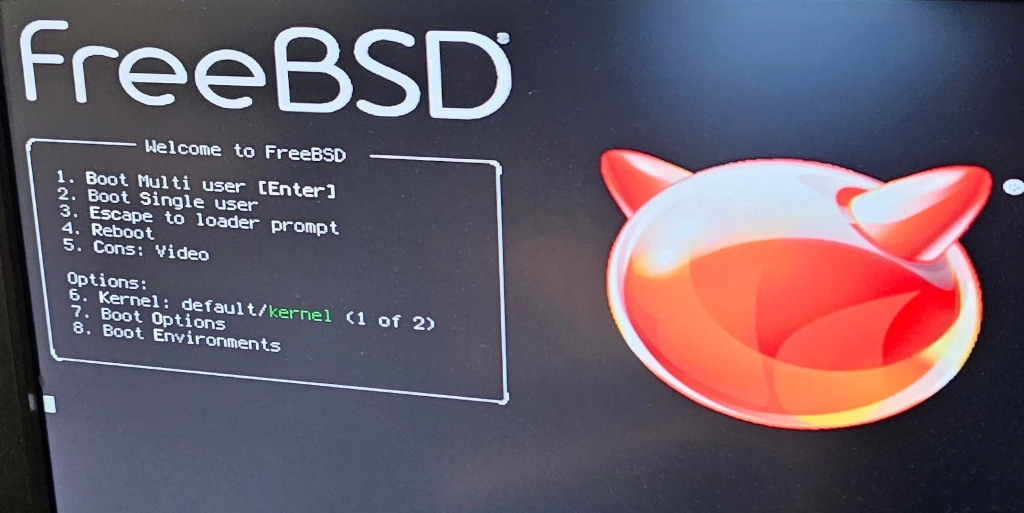
FreeBSD 14.4 Release Candidate 1 Arrives: A Major Leap Forward for Stability and Virtualization
In a significant development for the open-source operating system community, FreeBSD developers have unveiled the first release candidate of FreeBSD 14.4, marking a pivotal step in the evolution of this robust and versatile OS. For users still on the FreeBSD 14 series who are not yet ready to transition to the newly launched FreeBSD 15, this release brings a host of enhancements, bug fixes, and new hardware support that promise to elevate the user experience to new heights.
FreeBSD 14.4 is not just a routine update; it represents a carefully curated collection of backports and improvements designed to extend the life and functionality of the FreeBSD 14 branch. This release is particularly noteworthy for its focus on application updates, hardware compatibility, and virtualization advancements, making it a compelling choice for both long-time FreeBSD users and newcomers alike.
Application Updates: Strengthening the Core
One of the standout features of FreeBSD 14.4 is the inclusion of minor updates to critical applications such as OpenSSL, OpenZFS, and XZ. These updates are not merely incremental; they bring enhanced security, performance, and compatibility to the table. OpenSSL, for instance, has been updated to address potential vulnerabilities and improve cryptographic operations, ensuring that FreeBSD remains a secure platform for both personal and enterprise use. Similarly, OpenZFS, the advanced file system and volume manager, has received updates that optimize storage management and data integrity, making it an even more reliable choice for mission-critical applications.
XZ, a popular data compression utility, has also been updated to include the latest bug fixes and performance improvements. These updates collectively contribute to a more stable and efficient operating system, reinforcing FreeBSD’s reputation as a dependable and high-performance OS.
New Hardware Support: Expanding Compatibility
FreeBSD 14.4 expands its hardware support with a range of new device driver changes, ensuring compatibility with the latest hardware innovations. One of the most notable additions is support for the Fujitsu RAID Controller SAS D3116, a high-performance storage controller designed for enterprise environments. This update is a boon for businesses relying on FreeBSD for their storage infrastructure, as it ensures seamless integration with cutting-edge hardware.
Additionally, FreeBSD 14.4 introduces NVMe support for Google Compute C4 machines, a significant enhancement for users leveraging Google Cloud Platform. This update enables faster data access and improved performance for cloud-based applications, making FreeBSD an even more attractive option for cloud-native deployments.
Intel Ethernet E610 NIC support is another highlight, providing users with advanced networking capabilities for high-speed data transfer and low-latency communication. Furthermore, ACPI support for the Intel IWLWIFI driver ensures better power management and compatibility with a wide range of wireless devices, enhancing the overall user experience.
Virtualization Enhancements: Elevating Bhyve
Virtualization enthusiasts will be particularly excited about the advancements in FreeBSD 14.4, especially the addition of 9P file-system support for use with Bhyve VirtIO-9P devices. This feature is a game-changer for users running virtualized environments, as it enables efficient file sharing between the host and guest systems, streamlining workflows and improving productivity.
Another critical fix in this release addresses a hang issue on AMD systems when running recent Microsoft Windows guests in the Bhyve hypervisor. This bug fix is a testament to the FreeBSD team’s commitment to ensuring a smooth and reliable virtualization experience, even in complex multi-platform setups.
Release Candidate 1: What’s New?
The FreeBSD 14.4-RC1 release introduces several noteworthy changes compared to the earlier betas. One of the most significant additions is the inclusion of more packages in the DVD image, such as Emacs, Vim, and various FUSE packages for EXT2 and NTFS file-systems. These additions make the installation process more convenient and provide users with a richer set of tools out of the box.
Other improvements include a deadlock fix in NULLFS, a buffer overflow fix in RTSOCK, and enhancements to the installer to properly handle EFI boot entries. These fixes address critical issues that could impact system stability and security, ensuring that FreeBSD 14.4-RC1 is a robust and reliable release.
Testing and Community Involvement
As with any release candidate, FreeBSD 14.4-RC1 is now available for testing, and the FreeBSD community is encouraged to participate in the testing process. This collaborative approach ensures that any remaining bugs or issues are identified and resolved before the final release. Users can download the release candidate and find more information in the official release announcement.
Conclusion: A Bright Future for FreeBSD
FreeBSD 14.4-RC1 is more than just an update; it’s a testament to the dedication and expertise of the FreeBSD development team. With its focus on stability, hardware compatibility, and virtualization enhancements, this release is poised to meet the needs of a diverse user base, from individual enthusiasts to large-scale enterprises.
As the open-source community eagerly awaits the final release of FreeBSD 14.4, one thing is clear: FreeBSD continues to evolve and innovate, solidifying its position as a leading operating system in the tech world. Whether you’re a long-time user or considering making the switch, FreeBSD 14.4 promises to deliver a powerful, reliable, and future-proof computing experience.
Tags: FreeBSD, open-source, operating system, virtualization, Bhyve, hardware support, NVMe, OpenSSL, OpenZFS, XZ, Fujitsu RAID, Intel Ethernet, ACPI, 9P file-system, release candidate, stability, performance, cloud computing, enterprise, AMD, Microsoft Windows, EFI, FUSE, NULLFS, RTSOCK, testing, community.
Viral Phrases: “Game-changer for virtualization,” “Cutting-edge hardware support,” “Enhanced security and performance,” “Seamless integration with cloud platforms,” “Reliable and future-proof OS,” “Empowering the open-source community,” “Revolutionizing storage management,” “Optimized for enterprise environments,” “Breaking barriers in hardware compatibility,” “A new era for FreeBSD.”
,

Leave a Reply
Want to join the discussion?Feel free to contribute!