
From Iran to Ukraine, everyone’s trying to hack security cameras
Here’s the rewritten tech news article with a detailed, viral, and informative tone:
Hacked Security Cameras: The Silent Eyes of Modern Warfare
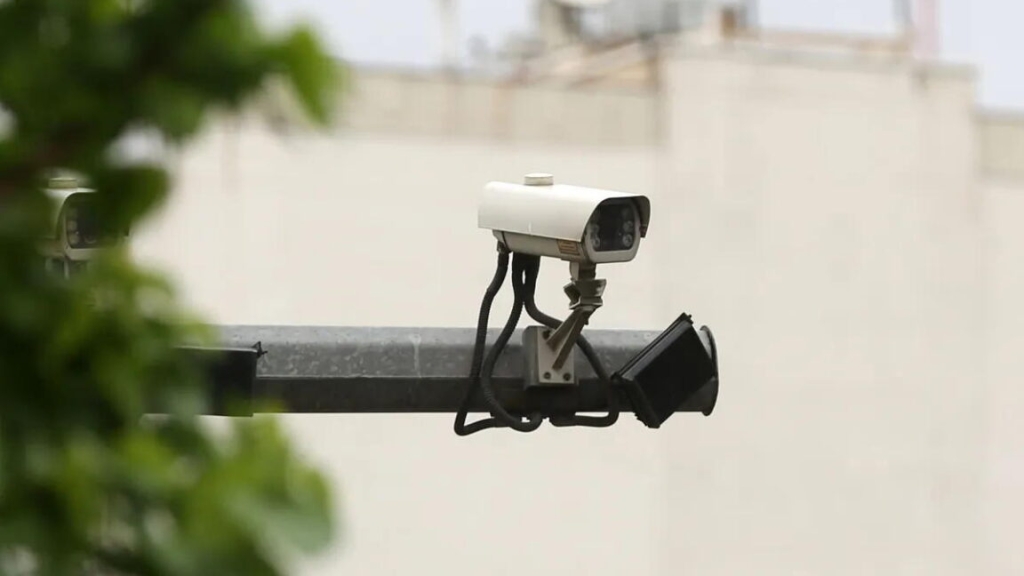
In an era where technology permeates every aspect of our lives, the humble security camera has emerged as a powerful tool in the shadowy world of cyber warfare. What was once a simple device for monitoring premises has now become a sophisticated instrument of intelligence gathering and strategic targeting, playing a pivotal role in conflicts across the globe.
The recent escalation of tensions in the Middle East has brought to light the alarming extent to which these seemingly innocuous devices can be weaponized. Check Point, a leading cybersecurity firm, has revealed that Iranian hackers have been targeting camera systems since as early as June last year, during Israel’s 12-day war with Iran. This revelation underscores the growing importance of civilian infrastructure in modern military operations.
Yossi Karadi, the head of Israel’s National Cybersecurity Directorate, warned at the time that Iranian hackers were using civilian camera systems to target Israelis. In a chilling demonstration of their capabilities, they managed to compromise a street camera across from the country’s Weizmann Institute of Science before launching a missile strike. This incident highlights the terrifying potential of compromised cameras to provide real-time intelligence for precision attacks.
However, the tables have turned dramatically in recent months. The joint US and Israeli strikes on Iran, coupled with the assassination of Ayatollah Ali Khamenei, have exposed the extent to which Israel’s own hackers – or those of its allies, potentially including the US – had infiltrated Tehran’s camera systems. Israeli intelligence sources speaking to the Financial Times described how they were able to assemble detailed patterns of life for Iranian security guards around Khamenei’s compound, thanks to real-time data provided by traffic cameras across the city.
“We knew Tehran like we know Jerusalem,” one source told the FT, illustrating the depth of penetration achieved by these cyber operations. This level of surveillance capability represents a significant shift in the balance of power, where the ability to gather intelligence can be as crucial as traditional military might.
The use of hacked civilian cameras in warfare is not limited to the Middle East. In the midst of Russia’s war in Ukraine, the powerful surveillance role of these devices first became apparent. Ukrainian officials warned in January 2024 that Russian forces had hacked two security cameras in the capital, Kyiv, to observe Ukrainian infrastructure targets and air defenses. “The aggressor used these cameras to collect data to prepare and adjust strikes on Kyiv,” reads a post from Ukraine’s SSU intelligence service.
In response to this threat, the SSU took the drastic step of disabling 10,000 Internet-connected cameras – though the method used was not revealed. The agency called on owners of street webcams to stop online broadcasts from their devices and urged citizens to report any streams from such cameras. This incident highlights the vulnerability of civilian infrastructure and the need for increased awareness and security measures.
Interestingly, Ukraine seems to have adopted similar tactics in its own operations. When the Ukrainian military used its own underwater drone to destroy a Russian submarine in the bay of Sevastopol in Crimea, it published video that defense-focused news outlet The Military Times noted looked very much like it had come from a hacked surveillance camera. This suggests a tit-for-tat approach in the cyber realm, where each side is constantly seeking new ways to gain an advantage.
The BBC has reported on the activities of Ukrainian hacktivist group One Fist, which was commended by the Ukrainian government for work that included hacking cameras to watch Russia’s movement of matériel across the Kerch Bridge between Russia and Crimea. This recognition of cyber operations as a legitimate tool of warfare marks a significant shift in military strategy and doctrine.
The use of hacked cameras in warfare raises serious questions about privacy, security, and the ethics of modern conflict. As these devices become increasingly sophisticated and interconnected, they offer a wealth of data that can be exploited by state and non-state actors alike. The implications extend far beyond the battlefield, touching on issues of civilian privacy, corporate security, and national sovereignty.
As we move forward, it’s clear that the role of technology in warfare will only continue to evolve. The humble security camera, once a simple tool for crime prevention, has now become a powerful weapon in the arsenal of modern militaries. As these capabilities continue to advance, it will be crucial for governments, corporations, and individuals to stay informed and vigilant, ensuring that our increasingly connected world remains secure and our privacy protected.
Tags: #CyberWarfare #SecurityCameras #IranIsraelConflict #UkraineRussiaWar #Cybersecurity #Surveillance #IntelligenceGathering #ModernWarfare #HackedCameras #PrivacyConcerns #NationalSecurity
Viral Phrases:
- “The silent eyes of modern warfare”
- “Knowing Tehran like we know Jerusalem”
- “From crime prevention to cyber weapon”
- “The new battlefield: civilian infrastructure”
- “Hacktivism gets official recognition”
- “Privacy in the age of connected cameras”
- “The double-edged sword of surveillance technology”
- “When your security camera becomes a spy”
- “The invisible war being fought in our streets”
- “From watching your doorstep to watching a nation”
,


Leave a Reply
Want to join the discussion?Feel free to contribute!