
Fujitsu iPad leads to clash with Apple: Today in Apple history
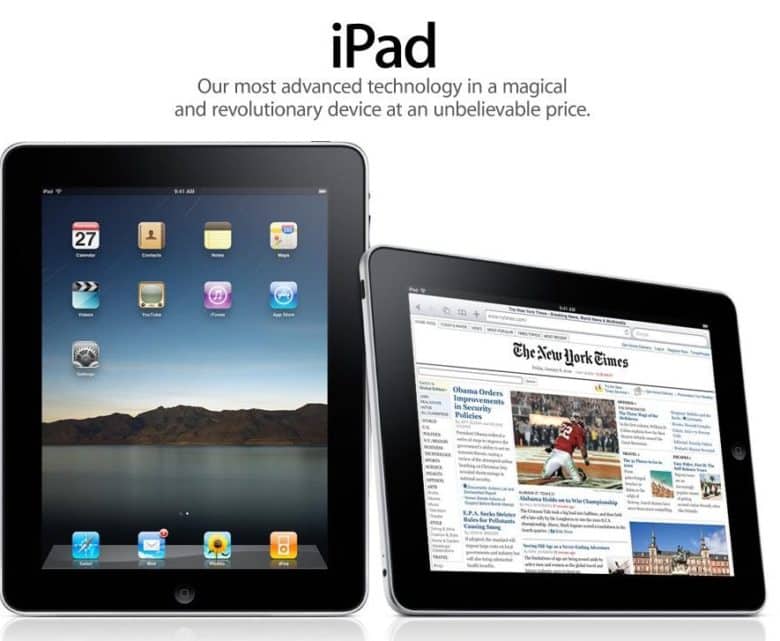
Apple’s $4 Million iPad Trademark Battle: How a Forgotten Fujitsu Device Nearly Derailed the Tablet Revolution
On March 26, 2010, Apple quietly settled one of the most ironic trademark disputes in tech history, paying an estimated $4 million to Fujitsu for the rights to use the name “iPad” in the United States. The timing couldn’t have been more dramatic—just two months after Steve Jobs unveiled the revolutionary tablet to the world and a mere week before its highly anticipated launch.
The Forgotten Fujitsu iPad: A Blast from the Past
Before Apple’s sleek glass-and-aluminum tablet became synonymous with mobile computing, another device bore the same name. Fujitsu’s iPad, launched in 2000, was a rugged handheld computing device designed specifically for retail environments. This forgotten piece of tech history featured Wi-Fi connectivity, Bluetooth capabilities, VoIP support, and a 3.5-inch color touchscreen—remarkably similar specifications to what Apple would later introduce.
The Fujitsu iPad wasn’t designed for consumers browsing social media or watching Netflix. Instead, it was engineered as a specialized tool for shop clerks to manage inventory, process sales, and streamline retail operations. Think of it as the original point-of-sale tablet, predating the consumer tablet revolution by nearly a decade.
The Trademark Timeline: A Legal Chess Match
The legal battle over the iPad name began long before Apple even considered entering the tablet market. In 2009, the U.S. Patent and Trademark Office declared Fujitsu’s iPad trademark application abandoned, seemingly clearing the path for Apple to claim the name. However, Fujitsu quickly moved to reopen its application, setting the stage for a high-stakes confrontation.
Apple, meanwhile, had been aggressively securing iPad trademarks globally, creating a perfect storm of conflicting claims. The situation was complicated by the fact that both devices shared remarkably similar capabilities on paper—touchscreen interfaces, wireless connectivity, and handheld form factors that could easily cause consumer confusion.
The Showdown: Apple vs. Fujitsu
When the trademark dispute erupted, Fujitsu’s Masahiro Yamane, director of the company’s public relations division, made their position clear: “It’s our understanding that the name is ours.” The statement reflected Fujitsu’s determination to protect what they viewed as their intellectual property.
The conflict highlighted a fundamental challenge in trademark law: when two companies develop products with overlapping features and similar names, determining rightful ownership becomes increasingly complex. Both companies had legitimate claims to the name, and both devices could perform similar functions, creating a legal gray area that required resolution.
The $4 Million Solution
Rather than engage in a protracted legal battle that could delay the iPad’s launch and potentially derail Apple’s carefully orchestrated product rollout, the company opted for a straightforward solution: purchase the trademark rights outright. The estimated $4 million payment secured Fujitsu’s agreement to reassign the iPad trademark to Apple.
In hindsight, this investment proved to be one of the smartest business decisions in tech history. The iPad went on to become Apple’s bestselling new product ever, generating billions in revenue and fundamentally transforming how people interact with digital content. The $4 million trademark fee represented a tiny fraction of the iPad’s eventual market value.
Apple’s Trademark History: A Pattern of Negotiation
This wasn’t Apple’s first rodeo when it came to trademark disputes. Three years earlier, the company faced a similar challenge with Cisco over the “iPhone” name. Cisco had owned the trademark since acquiring InfoGear Technology, which had developed an internet phone bearing that name in the 1990s. Apple and Cisco eventually reached an agreement, though they later clashed again over the “iOS” name.
Going further back, in 1982, Apple paid audio equipment manufacturer McIntosh Laboratory for the rights to use “Macintosh” for its groundbreaking computer. The company even changed the spelling from “McIntosh” to “Macintosh” to avoid potential confusion, though the pronunciation remained identical.
The Harsh Reality of Product Naming
These trademark battles illustrate a harsh truth about product development: coming up with a killer product name is far more complicated than it appears. What seems like a perfect, intuitive name often turns out to be already claimed, sometimes by companies you’ve never heard of working in completely different industries.
The Fujitsu iPad story is particularly ironic because it demonstrates how technology evolves. A device designed for specialized retail use in 2000 contained many of the same core technologies that would power a revolutionary consumer product a decade later. The touchscreen, wireless connectivity, and handheld form factor that seemed niche in 2000 became mainstream by 2010.
The Aftermath and Legacy
Today, when people hear “iPad,” they think of Apple’s revolutionary tablet, not Fujitsu’s forgotten retail device. The trademark battle, while significant at the time, has faded into tech history as just another example of how the tech industry’s past often intersects with its future in unexpected ways.
The resolution of this dispute allowed Apple to proceed with its iPad launch without delay, maintaining the momentum that Steve Jobs had built through his January 2010 keynote presentation. The tablet went on to create an entirely new product category, spawning countless competitors and fundamentally changing how people consume media, play games, and interact with the internet.
What This Means for Tech Innovation
The iPad trademark story reveals several important lessons about technology development and intellectual property:
First, it shows how quickly technology can evolve from specialized tools to mainstream products. The Fujitsu iPad’s features, once considered cutting-edge for retail applications, became standard for consumer devices within a decade.
Second, it demonstrates the importance of thorough trademark research in product development. Apple’s willingness to pay for rights rather than fight legal battles reflects a pragmatic approach to intellectual property that has served the company well.
Finally, it illustrates how the tech industry’s history is filled with these kinds of behind-the-scenes negotiations that most consumers never hear about, yet which can have enormous implications for which products succeed and which fail.
The $4 Million That Changed Everything
Looking back from today’s perspective, Apple’s $4 million investment in the iPad trademark represents one of the greatest bargains in corporate history. In the context of the iPad’s eventual billions in revenue and its transformative impact on computing, that payment was an absolute steal.
The story of how Apple secured the iPad name serves as a fascinating footnote to one of the most significant product launches of the 21st century—a reminder that even the biggest tech innovations often come with complicated histories and unexpected legal hurdles that must be overcome before they can change the world.
Tags: #Apple #iPad #Trademark #Fujitsu #SteveJobs #TechHistory #LegalBattle #Innovation #MobileComputing #Tablet #IntellectualProperty #TechIndustry #ProductNaming #BusinessStrategy #TechnologyEvolution
Viral Phrases: “The $4 million that changed tech forever,” “How a forgotten Fujitsu device nearly derailed Apple’s tablet revolution,” “The ironic trademark battle that almost kept the iPad from existing,” “Steve Jobs’ $4 million solution to a naming nightmare,” “When retail tech met consumer revolution: The iPad story,” “The hidden history behind Apple’s most successful product name,” “How one payment secured billions in future revenue,” “The trademark battle that shaped modern computing,” “From retail inventory to global phenomenon: The iPad journey,” “Why even Apple has to pay for perfect product names”
,

Leave a Reply
Want to join the discussion?Feel free to contribute!