
Galaxy S26 Ultra proves fast charging only matters if you can use it
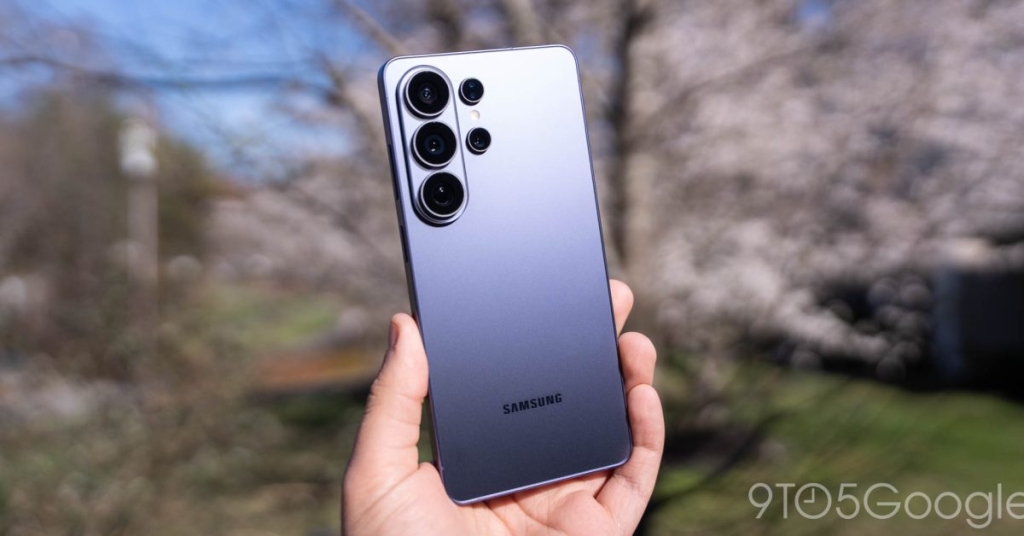
Samsung Galaxy S26 Ultra Charging: Why Faster Isn’t Always Better
In the high-stakes world of smartphone technology, charging speeds have become the latest battleground for manufacturers vying for consumer attention. Samsung’s Galaxy S26 Ultra recently reminded me of a crucial lesson: raw charging power means nothing if you can’t actually use it when you need it most.
The Airport Revelation
Picture this: I’m stranded in Atlanta’s Hartsfield-Jackson International Airport after a grueling nine-hour flight from London, facing severe weather delays that have turned what should have been a brief layover into an all-night ordeal. Like hundreds of other frustrated travelers, I’m desperately trying to keep my devices alive while hunting for elusive power outlets.
My Galaxy S26 Ultra, equipped with Samsung’s new 60W charging system, became my lifeline. With the battery hovering around 20%, I plugged into my trusty battery bank—no special adapters, no proprietary cables, just the standard gear I always carry. Within minutes, I watched in satisfaction as the percentage climbed steadily, reaching 60% in what felt like no time at all.
By 3 AM, when I finally stumbled home, my phone was still going strong. That experience crystallized something I’d only vaguely understood before: accessibility trumps raw speed every single time.
The Fast Charging Arms Race
Let’s be honest—we’ve been in a charging speed arms race for years now. The numbers sound impressive: 80W, 100W, 120W, 125W, even 150W charging capabilities have been floating around the smartphone world for quite some time. OnePlus devices, in particular, have become notorious for their blistering charging speeds, with some models able to add 0.01% charge almost every second.
But here’s the dirty little secret: all that speed is completely useless if you don’t have the exact right equipment. SuperVOOC, Warp Charge, and other proprietary fast-charging technologies require specific chargers and cables that aren’t always readily available. This is precisely why OnePlus continues to include chargers in the box when most manufacturers have stopped—because you literally can’t just buy one at your local convenience store.
The USB-PD Difference
The Galaxy S26 Ultra’s 60W charging capability represents something different: it’s built on USB Power Delivery (USB-PD) standards. This means it works with virtually any USB-C charger and cable that supports those specifications. During my airport ordeal, this flexibility proved invaluable.
Compare this to my other daily drivers: the Galaxy Z Fold 7 and Pixel 10, both of which top out around 30W wired charging. While perfectly adequate in most situations, they would have left me in a much more precarious position during my travel nightmare.
The Real-World Trade-Off
Here’s where it gets interesting. The OnePlus 15, for example, offers a mind-blowing 120W SuperVOOC charging capability. But it also supports USB-PD charging at around 45-50W. This dual approach acknowledges an important reality: while proprietary fast charging is impressive and has its place, the universal standard is often more practical.
Think about it from a daily use perspective. How often are you in a situation where you need to charge your phone from 0 to 100% in under 30 minutes? Now, how often are you in a situation where you need to top up your battery using whatever charger happens to be available?
The Battery Bank Factor
This discussion becomes even more relevant when we consider portable charging solutions. Battery banks have become essential accessories for travelers, commuters, and anyone who spends significant time away from wall outlets. The ability to use any standard USB-C battery bank with your smartphone’s fast charging capability is a game-changer.
During my airport experience, I didn’t need to worry about whether my battery bank supported Samsung’s specific charging protocol. It just worked, and that reliability mattered far more than squeezing an extra few minutes of charging speed.
Beyond the Numbers
The smartphone industry loves to throw around big numbers—whether it’s megapixels in cameras, gigabytes in storage, or watts in charging. But these specifications only tell part of the story. The real question is: how do these features actually improve your daily experience?
In the case of charging, the answer often comes down to reliability and convenience rather than raw speed. Being able to confidently charge your phone in any situation, using any compatible equipment, provides peace of mind that no amount of charging speed can match.
Looking Ahead
As we move forward, I suspect we’ll see manufacturers continue to push the boundaries of charging technology. But the most successful implementations will likely be those that balance impressive speeds with broad compatibility.
The Galaxy S26 Ultra’s approach—offering genuinely fast charging (60W is nothing to sneeze at) while maintaining compatibility with standard USB-PD equipment—strikes what I believe is the right balance. It’s fast enough to be impressive, compatible enough to be practical, and reliable enough to be trustworthy.
The Bottom Line
So, would I rather have faster charging with limited options, or slightly slower charging with near-infinite options? After my airport experience, the answer is clear: give me the reliable, compatible option every single time.
Because in the real world, when you’re exhausted, stressed, and just need your phone to work, you don’t care about theoretical maximum speeds. You care about whether you can actually charge your device using the equipment you have on hand.
And that, more than any marketing specification, is what makes for truly useful technology.
Tags: #Samsung #GalaxyS26Ultra #FastCharging #USBPD #SmartphoneTechnology #MobileTech #ChargingStandards #TravelTech #BatteryLife #TechReview
Viral Sentences:
- “Fast charging is useless if you can’t actually use it when you need it most”
- “60W charging that works with any USB-C charger beats 120W that needs special equipment”
- “The airport test: where real-world charging needs trump theoretical speed”
- “One charger to rule them all: why USB-PD compatibility matters more than raw power”
- “When your phone dies in an airport at 3 AM, speed doesn’t matter—reliability does”
- “The dirty secret of fast charging: it’s often just marketing hype”
- “Why OnePlus still includes chargers: because you literally can’t buy them anywhere”
- “60W charging that works everywhere beats 150W charging that works nowhere”
- “The technology that saved my sanity during a 12-hour airport nightmare”
- “Fast charging arms race: impressive numbers, limited real-world usefulness”
,


Leave a Reply
Want to join the discussion?Feel free to contribute!