
Galaxy S26 wireless charging sounds like an absolute mess
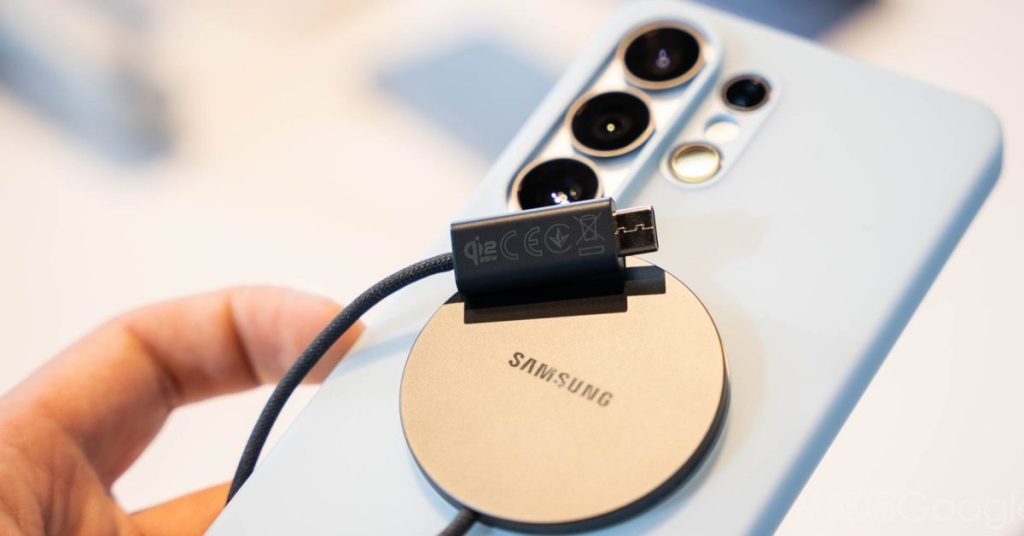
Samsung’s Qi2 25W Wireless Charging on Galaxy S26 Ultra: A Chaotic Mess of Compatibility Issues
Wireless charging technology has been steadily evolving, with the Qi2 standard and magnetic alignment emerging as the future of convenient power delivery. However, Samsung’s continued resistance to integrating built-in magnets into its flagship devices is creating a perfect storm of frustration for Galaxy S26 Ultra users attempting to harness the promised 25W wireless charging speeds.
The Qi2 Standard: Magnets Were Supposed to Be Mandatory
When the Qi2 standard was first unveiled three years ago, it was designed with magnetic alignment as a core feature, directly inspired by Apple’s successful MagSafe implementation. The concept was simple: magnets would ensure perfect alignment between device and charging pad, maximizing efficiency and enabling faster charging speeds.
Yet, in a surprising industry trend, genuine Qi2 adoption with built-in magnets has been exceedingly rare. Google broke the mold with its Pixel 10 series, becoming the first mainstream manufacturer to fully embrace Qi2. Samsung, however, has once again skipped this feature in its Galaxy S26 lineup, instead opting for the “Qi2 Ready” certification program.
This alternative approach allows Samsung to meet Qi2 specifications by placing magnets in official cases rather than building them directly into the phones. While this theoretically provides flexibility for users who prefer cases, it’s creating a cascade of practical problems that are leaving customers bewildered and angry.
The Case Conundrum: Not All Magnets Are Created Equal
Dbrand, the popular manufacturer of device skins and cases, recently confirmed on Reddit what many Galaxy S26 Ultra owners had begun to suspect: its “Ghost” cases for the device do not support the promised Qi2 25W charging speeds. The reason? A mysterious “handshake” process that Dbrand describes as “proprietary Qi2.2 magnet voodoo” that supposedly “unlocks” the faster charging capabilities.
This revelation exposes a fundamental flaw in Samsung’s approach. Simply having magnets in the correct position isn’t sufficient—there appears to be some form of authentication or certification process that determines whether a case can access the full 25W charging speed. The technical details of this “handshake” remain opaque, but the Wireless Power Consortium, which oversees Qi2 certification, does validate cases for the Galaxy S26 series.
Dbrand isn’t alone in facing these challenges. The company previously had to modify its Grip case by removing a lining to comply with Qi 2.2 specifications, and other manufacturers have encountered similar obstacles. This suggests a complex ecosystem where not just any case with magnets will suffice.
Samsung’s Official Charger: A Hot Mess of Confusion
The problems extend far beyond third-party cases. Samsung’s own 25W wireless charger, which should theoretically work perfectly with the Galaxy S26 Ultra, has become a source of widespread confusion and disappointment. Early adopters report a range of issues, from the charger simply not working at all to devices becoming “super hot” during charging attempts.
One frustrated customer reported: “I’m having a hard time to get it to charge my new S26 Ultra and I ordered the Samsung metal case with it and can’t get it to work at all.” This level of dysfunction from Samsung’s first-party accessories is particularly troubling, especially considering that the company’s Qi2 accessories from the previous year were also plagued with problems.
The Bigger Picture: Samsung’s Excuse Doesn’t Hold Water
Samsung’s official justification for avoiding built-in magnets is that the company wanted to produce a thinner smartphone. Company representatives have been quick to dismiss suggestions that the S Pen functionality played any role in this decision, despite many fans speculating otherwise.
However, this rationale misses the larger issue entirely. The real problem isn’t about millimeters of thickness—it’s about creating a coherent, user-friendly ecosystem where customers can confidently purchase accessories knowing they’ll work as advertised. Samsung’s approach has resulted in a fragmented landscape where case selection, charger compatibility, and even temperature management become significant concerns.
Why Qi2 25W Speeds Might Not Be Worth the Hassle
Even if users manage to navigate the minefield of compatible cases and chargers, the question remains: are Qi2 25W speeds actually worth the effort? Industry experts have consistently argued that the marginal benefit of 25W wireless charging over more standard speeds doesn’t justify the complexity and potential compatibility issues.
The situation with the Galaxy S26 Ultra seems to prove this point emphatically. What should be a straightforward feature—plugging in your phone to charge—has become a complicated puzzle requiring specific case combinations, particular chargers, and perhaps even a degree in electrical engineering to understand.
The Future of Wireless Charging: A Crossroads
Samsung’s approach to Qi2 implementation highlights a broader tension in the tech industry between innovation and compatibility. While the company’s engineers may have valid reasons for their design choices, the end result is a user experience that feels more like a beta test than a polished flagship feature.
As wireless charging continues to evolve, manufacturers face a critical choice: prioritize theoretical design advantages or focus on creating seamless, reliable experiences for users. The Galaxy S26 Ultra’s Qi2 implementation suggests that Samsung may be erring too far on the side of the former, at the cost of the latter.
For now, Galaxy S26 Ultra owners looking to take advantage of wireless charging should prepare for a journey of trial and error, potentially investing in multiple cases and chargers before finding a combination that works reliably. It’s a far cry from the “just works” experience that wireless charging promised to deliver.
Tags: Samsung Galaxy S26 Ultra, Qi2 wireless charging, magnetic alignment, 25W charging, Dbrand cases, wireless charging problems, Samsung accessories, Qi2 Ready, built-in magnets, charging compatibility, Galaxy S26 issues, wireless power consortium, MagSafe alternative, charging speeds, case requirements, official charger problems, tech frustration, flagship phone issues, wireless charging standards, Samsung design choices
Viral Phrases:
“Qi2 2.2 magnet voodoo,” “proprietary handshake process,” “hot mess of confusion,” “not worth the effort,” “beta test experience,” “trial and error journey,” “fragmented charging landscape,” “compatibility nightmare,” “design over user experience,” “engineering degree required,” “just works experience,” “Samsung’s stubborn approach,” “magnetic alignment chaos,” “charging puzzle,” “accessory minefield,” “user frustration peak,” “tech industry tension,” “seamless experience failure,” “theoretical advantages cost,” “real-world functionality gap”
,


Leave a Reply
Want to join the discussion?Feel free to contribute!