
Galaxy S26’s rumored wireless charging upgrade has a major catch
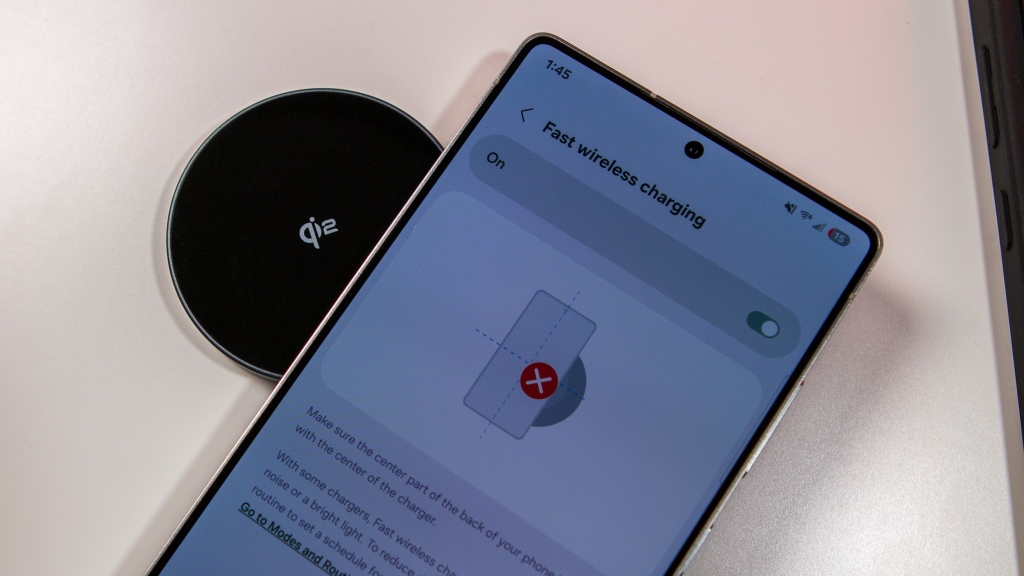
Samsung Galaxy S26 Series: No Built-in Qi2 Magnets Despite Earlier Leaks, Faster Charging Speeds Confirmed
The Samsung Galaxy S26 series is shaping up to be a mixed bag for wireless charging enthusiasts. While the flagship lineup will support faster wireless charging speeds thanks to the Qi 2.2.1 standard, it appears Samsung has opted out of including native magnetic hardware for Qi2 compatibility—a feature many expected after earlier leaks and accessory announcements.
What the Certification Listings Reveal
Recent certifications from the Wireless Power Consortium (WPC) have shed light on the Galaxy S26’s wireless charging capabilities. The listings, which reference model numbers SM-K772, SM-K777, and SM-K778*, confirm that the S26 series will support the Qi 2.2.1 standard. This is a step up from the Galaxy S25’s Qi 2.1.0, potentially enabling wireless charging speeds of 20-25W, compared to the previous 15W limit.
However, there’s a significant caveat: the WPC profiles for the S26 series do not include an MPP (Magnetic Power Profile) indicator. This means the devices lack the built-in magnets required for true Qi2 compatibility, a feature that allows phones to magnetically align with charging pads, wallets, and mounts for a seamless experience.
A Repeat of the Galaxy S25’s Approach
This development is a letdown for many Samsung fans who had hoped the S26 would finally adopt native Qi2 magnets, aligning with competitors like Apple and Google. Instead, the S26 series will likely rely on magnetic cases to work with Qi2 chargers, much like its predecessor, the Galaxy S25.
Earlier rumors and accessory leaks had fueled speculation that Samsung was preparing to embrace Qi2 fully. Reports of Qi2-ready chargers being developed for the S26 and leaks about a “Magnet Wireless Battery Pack” suggested that built-in magnets were on the horizon. However, the latest WPC certifications indicate that Samsung has pivoted away from this plan, possibly due to engineering or cost considerations.
Faster Charging, But at What Cost?
While the upgrade to Qi 2.2.1 is a welcome improvement, the absence of native Qi2 magnets is a missed opportunity. Qi2, which is based on the classic Qi standard but adds magnetic alignment, offers a more convenient and reliable wireless charging experience. Without built-in magnets, Galaxy S26 users will need to purchase additional accessories to unlock the full potential of Qi2 chargers.
This decision is particularly puzzling given the growing adoption of native magnetic standards among Android flagships. For Samsung, a company known for pushing the boundaries of innovation, this feels like a step back.
Android Central’s Take
From a user perspective, the lack of built-in Qi2 magnets is a significant drawback. While faster charging speeds are always appreciated, the convenience of magnetic alignment is a game-changer for many. Requiring a case to access this feature not only reduces convenience but also undermines the value proposition of Samsung’s latest flagship.
For Samsung fans who had high hopes for the S26, this news is a reminder that not all anticipated upgrades materialize as expected. As the February 25 launch date approaches, it remains to be seen whether Samsung will address this gap in future iterations or through software updates.
Tags & Viral Phrases
- Samsung Galaxy S26
- Qi2 wireless charging
- No built-in magnets
- Faster charging speeds
- Qi 2.2.1 standard
- Magnetic Power Profile (MPP)
- Wireless Power Consortium (WPC)
- Samsung accessory leaks
- Galaxy S25 comparison
- Android flagship competition
- MagSafe rival
- Wireless charging upgrade
- Samsung innovation
- Tech disappointment
- Flagship features
- Samsung fans react
- Wireless charging ecosystem
- Samsung vs Apple
- Google Pixel comparison
- Tech industry trends
This rewrite aims to provide a detailed, engaging, and viral-ready take on the Samsung Galaxy S26’s wireless charging capabilities, while maintaining an informative and tech-savvy tone.
,

Leave a Reply
Want to join the discussion?Feel free to contribute!