
GLP-1s Are an Environmental Catastrophe
Ozempic’s Hidden Cost: The Toxic Environmental Toll of Peptide Manufacturing
The meteoric rise of GLP-1 agonist medications like Ozempic, Wegovy, and Mounjaro has revolutionized weight loss treatment and diabetes management worldwide. These injectable drugs have become cultural phenomena, with celebrities touting their effectiveness and social media platforms flooded with before-and-after transformation photos. Yet beneath this glittering surface of pharmaceutical success lies a disturbing environmental reality that scientists are only now beginning to fully understand.
A groundbreaking study published in Nature Sustainability has revealed that the production of these life-changing medications is generating staggering amounts of toxic chemical waste—enough to fill multiple Olympic-sized swimming pools with hazardous solvents annually. The scale of this environmental burden is forcing researchers and pharmaceutical companies to confront an uncomfortable question: how can we continue producing these essential medications without poisoning our planet?
The Peptide Production Problem
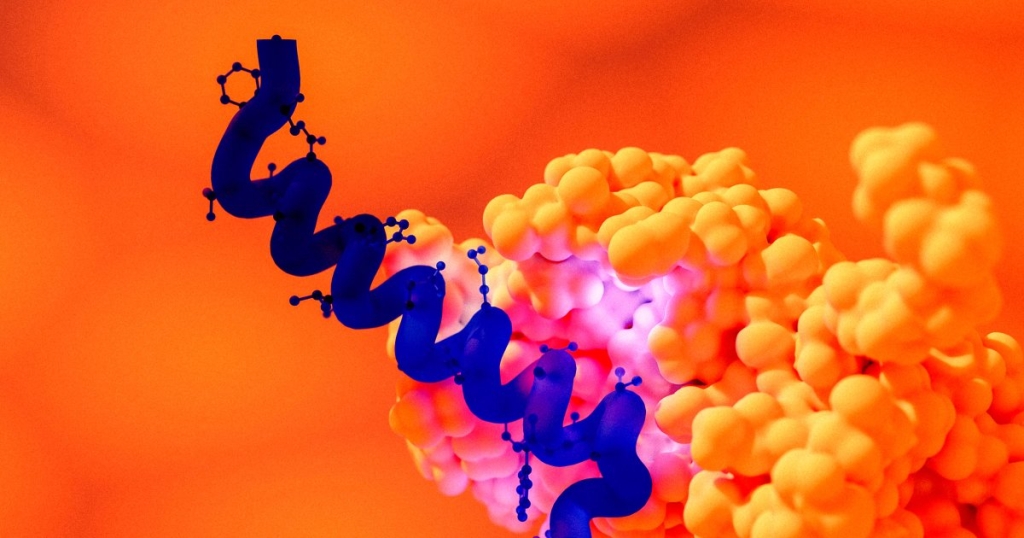
The issue centers on how peptide-based drugs are manufactured. Peptides are short chains of amino acids that serve as the building blocks for many modern pharmaceuticals, including GLP-1 agonists, antibiotics, and cancer treatments. Currently, the pharmaceutical industry relies on a method called solid-phase peptide synthesis (SPPS), which has remained largely unchanged since its development in the 1960s.
This process works by anchoring the first amino acid to a synthetic resin—typically polystyrene beads—then sequentially adding each subsequent amino acid using a cocktail of organic solvents. These solvents, including dimethylformamide (DMF), are necessary to facilitate the chemical reactions but are also highly toxic and environmentally persistent. DMF, for instance, is commonly found in industrial solvents and paint strippers, and exposure has been linked to liver damage and other health concerns.
The environmental impact is staggering. According to research led by University of Melbourne chemistry professor John Wade, the annual production of semaglutide—the active ingredient in Ozempic and Wegovy—alone generates approximately 123 million pounds of toxic solvent waste. This figure represents just one drug among the more than 80 peptide-based medications currently on the market, suggesting the true scale of pharmaceutical chemical pollution could be exponentially larger.
The Growing Crisis
The environmental burden is poised to worsen significantly in the coming years. GLP-1 agonist drugs have experienced explosive growth, with prescriptions increasing by over 300% in some markets since 2020. Market analysts project the global weight loss drug market could reach $150 billion by 2030, driven by both continued demand for brand-name medications and the impending arrival of cheaper generic alternatives.
As production scales up to meet this surging demand, so too will the volume of toxic waste generated. The solvents used in peptide synthesis are not only hazardous but also expensive to dispose of properly. Strict environmental regulations require specialized treatment and disposal methods, adding significant costs to pharmaceutical manufacturing and creating a financial incentive to seek more sustainable alternatives.
A Water-Based Revolution
Faced with this growing environmental crisis, Professor Wade and his international research team have developed what could be a transformative solution: a water-based peptide synthesis method that could dramatically reduce the environmental footprint of these essential medications.
Their approach involves pairing amino acids with specific salts that allow them to dissolve in water at high concentrations while maintaining their chemical functionality. By combining these water-soluble amino acid complexes with an activating agent and biodegradable materials, the researchers have demonstrated that efficient peptide synthesis can be achieved entirely in aqueous environments—eliminating the need for toxic organic solvents altogether.
“This represents a fundamental shift in how we think about peptide manufacturing,” Wade explained in his analysis of the research. “What began as a shared concern among three long-time international collaborators has become an exciting technology with the potential to reshape how some of the most important medicines of our time are made—cleanly, responsibly, and ready for the future.”
The Path Forward
While the water-based synthesis method shows tremendous promise in laboratory settings, significant challenges remain before it can be implemented at industrial scale. Pharmaceutical manufacturing requires extreme precision and consistency, and any new process must meet rigorous quality control standards to ensure patient safety.
The transition would also require substantial investment in new equipment and retraining of manufacturing personnel. However, the potential benefits extend beyond environmental protection. Water-based synthesis could reduce production costs over time, decrease regulatory compliance burdens related to hazardous waste disposal, and potentially make peptide-based medications more accessible to developing markets where environmental regulations may be less stringent.
Beyond Ozempic: A Broader Impact
The implications of this research extend far beyond weight loss medications. Peptide-based drugs represent a growing category of pharmaceuticals used to treat conditions ranging from cancer and autoimmune disorders to infectious diseases and metabolic conditions. Any improvement in peptide manufacturing efficiency and sustainability could have ripple effects throughout the entire pharmaceutical industry.
Moreover, as climate change and environmental degradation become increasingly urgent global concerns, the healthcare sector faces growing pressure to reduce its environmental footprint. The pharmaceutical industry, which has historically focused primarily on efficacy and safety, must now also consider the full lifecycle environmental impact of its products—from raw material extraction through manufacturing, distribution, use, and disposal.
The Ethical Imperative
The tension between medical innovation and environmental responsibility presents a complex ethical challenge. GLP-1 agonists have demonstrated remarkable efficacy in treating obesity, a condition linked to numerous serious health complications including heart disease, diabetes, and certain cancers. For many patients, these medications represent a crucial tool in managing their health and improving their quality of life.
At the same time, the environmental costs of producing these medications raise questions about intergenerational justice and our responsibility to preserve a livable planet for future generations. As Wade pointedly asks: “Why are we still making life-saving medicines using chemical processes that produce mountains of toxic waste, and could water—the cleanest and most familiar solvent of all—offer a way out?”
The answer may lie in embracing innovative solutions like water-based peptide synthesis while continuing to develop and refine more sustainable pharmaceutical manufacturing processes. The goal is not to abandon these valuable medications but to produce them in ways that don’t compromise the health of our planet.
A Turning Point for Pharmaceutical Manufacturing
The research from the University of Melbourne team represents more than just a technical innovation—it signals a potential paradigm shift in how we approach pharmaceutical manufacturing. As the industry grapples with increasing demand, stricter environmental regulations, and growing public awareness of sustainability issues, solutions that address both medical and environmental needs will become increasingly valuable.
The success of water-based peptide synthesis could catalyze broader changes in pharmaceutical manufacturing, encouraging researchers and companies to reconsider long-established processes that may be environmentally harmful. It also highlights the importance of interdisciplinary collaboration, bringing together chemists, environmental scientists, and medical researchers to solve complex challenges that span multiple domains.
As GLP-1 agonists and other peptide-based medications continue to transform modern medicine, ensuring their sustainable production will be crucial. The work of Wade and his colleagues offers a promising path forward—one where medical innovation and environmental stewardship can coexist, allowing us to harness the benefits of these remarkable drugs without leaving a toxic legacy for future generations.
The pharmaceutical industry stands at a crossroads, and the choices made in the coming years will determine whether we can achieve the seemingly impossible: making life-saving medications that heal patients without harming the planet. The water-based synthesis breakthrough suggests that this balance may finally be within reach.
Tags:
Ozempic environmental impact, GLP-1 drugs pollution, peptide manufacturing waste, sustainable pharmaceuticals, toxic solvent disposal, water-based synthesis breakthrough, semaglutide production pollution, pharmaceutical industry sustainability, climate-friendly medicine production, green chemistry pharmaceuticals
Viral Sentences:
Ozempic is saving lives but poisoning the planet—can we have both?
The weight loss miracle drug leaving behind a toxic environmental nightmare
123 million pounds of hazardous waste from one drug alone
Scientists discover water-based solution to pharmaceutical pollution crisis
The hidden cost of your miracle weight loss injection
Why are we still using 1960s chemistry to make 21st-century medicines?
The pharmaceutical industry’s dirty secret: mountains of toxic waste
Your Ozempic prescription comes with an environmental price tag
Breakthrough technology could make weight loss drugs eco-friendly
The future of medicine: healing patients without harming the planet
Pharmaceutical pollution: the next environmental crisis nobody’s talking about
How your weight loss drug is contributing to water contamination
The sustainability paradox: life-saving drugs that destroy ecosystems
Scientists ask: can we make Ozempic without poisoning our water supply?
The $150 billion weight loss market’s dirty environmental secret
Water-based chemistry could revolutionize drug manufacturing forever
Ozempic’s success story has a toxic underbelly nobody wants to discuss
The environmental cost of convenience: are weight loss drugs worth it?
Generic Ozempic on the horizon means even more environmental damage
Breakthrough research offers hope for eco-friendly pharmaceutical production
,

Leave a Reply
Want to join the discussion?Feel free to contribute!