
GNOME OS To Use systemd-confext, RustConn Provides Modern GTK4 Connection Manager
GNOME 50 Beta Unleashed: A Wave of Innovation Sweeps the Linux Desktop
The GNOME desktop environment has once again proven why it remains the crown jewel of the Linux ecosystem with the release of GNOME 50 beta alongside a flurry of groundbreaking developments that are set to reshape how users interact with their systems. This week has been nothing short of revolutionary for GNOME enthusiasts, developers, and the broader open-source community.
GNOME 50 Beta: The Foundation of Change
The GNOME 50 beta release marks a significant milestone in the evolution of one of the world’s most beloved desktop environments. This release isn’t just another incremental update—it’s a carefully orchestrated leap forward that addresses long-standing pain points while introducing features that feel both innovative and inevitable.
Early beta testers are already raving about the enhanced performance optimizations that make GNOME feel snappier than ever before. The development team has clearly listened to user feedback, implementing subtle yet impactful improvements to the user interface that make daily interactions more intuitive and fluid.
GNOME OS: The Revolution in System Configuration
Perhaps the most technically significant development this week is GNOME OS’s migration of system configuration handling from traditional /etc directories to systemd-confext. This architectural shift represents years of careful planning and addresses one of the most persistent challenges in Linux system administration.
Systemd-confext brings unprecedented stability to system configurations, making them significantly less fragile during updates and system changes. The old model often led to configuration conflicts and update failures that frustrated both novice and experienced users alike. With this new approach, configurations become atomic operations that either succeed completely or fail gracefully without leaving systems in inconsistent states.
The migration also dramatically simplifies the process of updating configurations across system upgrades. System administrators and power users will appreciate how systemd-confext maintains configuration integrity while allowing for seamless transitions between different system states.
Patent Codecs Extension: Breaking Down Barriers
In a move that demonstrates GNOME’s commitment to accessibility and user choice, GNOME OS has introduced a new extension that enables support for patented codecs on the platform. This development is particularly significant given the ongoing challenges surrounding codec licensing and the fragmented landscape of media playback on Linux systems.
The extension approach is particularly elegant—it provides users who need codec support with a straightforward path to enable it, while maintaining the clean, unencumbered base system that GNOME is known for. This balanced approach respects both the legal complexities of codec licensing and the practical needs of users who want to play their media without jumping through hoops.
RustConn: The Future of Linux Connectivity
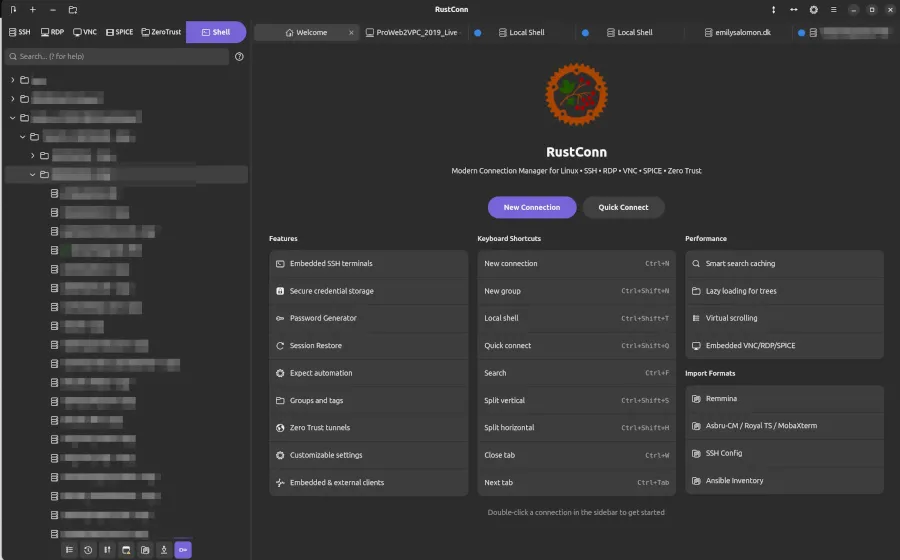
The announcement of RustConn represents a quantum leap in how Linux users will connect to remote systems and services. This modern connection manager, written in Rust and built on GTK4 with Wayland support, brings together SSH, RDP, VNC, SPICE, Telnet, and Zero Trust connections under a single, unified interface.
RustConn’s architecture is particularly noteworthy. By choosing Rust as its foundation, the developers have ensured memory safety and performance that simply wasn’t possible with traditional connection managers. The GTK4 and Wayland integration means it’s built for the future of Linux desktop environments, not tethered to legacy frameworks.
The inclusion of Zero Trust connections is especially forward-thinking, acknowledging the evolving landscape of cybersecurity and the need for secure remote access solutions that don’t compromise on usability. Whether you’re a system administrator managing servers, a developer accessing remote development environments, or simply someone who needs to connect to various systems, RustConn promises to streamline and secure these interactions.
GTK4 and Wayland: The Modern Foundation
The emphasis on GTK4 and Wayland throughout these developments isn’t coincidental—it represents GNOME’s strategic bet on the future of Linux desktop technology. GTK4 brings significant performance improvements, better animation support, and a more modern development framework that enables faster innovation cycles.
Wayland, meanwhile, provides the secure, efficient display server protocol that modern desktop environments require. The combination of GTK4 and Wayland in projects like RustConn ensures that these tools will remain relevant and performant for years to come, rather than being constrained by the limitations of older technologies.
Community Impact and Developer Ecosystem
These developments have sent ripples through the broader Linux and open-source community. Developers are already exploring how systemd-confext’s approach might be applied to other distributions and projects. The RustConn announcement has sparked discussions about the future of remote connectivity tools across different desktop environments.
The GNOME development team’s commitment to modern technologies while maintaining backward compatibility has been widely praised. This balanced approach ensures that users can benefit from cutting-edge features without being forced to abandon their existing workflows or tools.
Looking Ahead: The GNOME 50 Release Cycle
With the beta release now available, the GNOME team will be focusing on refining these new features based on community feedback. The development cycle leading to the final GNOME 50 release promises to be one of the most exciting in recent memory, with each update likely bringing new refinements and potentially even additional features.
The emphasis on stability, performance, and modern technology foundations suggests that GNOME 50 could be one of the most significant releases in the project’s history. For users who have been waiting for a desktop environment that truly embraces modern computing paradigms while remaining accessible and user-friendly, the wait may soon be over.
The Broader Linux Desktop Landscape
These GNOME developments come at a time when the Linux desktop is experiencing unprecedented growth and attention. As more users seek alternatives to traditional operating systems, GNOME’s commitment to innovation and user experience positions it as a leader in this space.
The technical decisions being made—from systemd-confext adoption to Rust-based application development—signal a maturation of the Linux desktop ecosystem. These aren’t just incremental improvements; they represent fundamental advances in how desktop systems are designed, configured, and used.
Conclusion: A Watershed Moment
This week in GNOME represents more than just a collection of new features and improvements. It marks a watershed moment in the evolution of the Linux desktop, where technical innovation meets practical usability in ways that could finally bring Linux to a broader audience.
From the architectural elegance of systemd-confext to the forward-looking design of RustConn, GNOME is demonstrating that open-source desktop environments can be both cutting-edge and user-friendly. As the development community digests these announcements and begins integrating these technologies into their own projects, we may be witnessing the beginning of a new era in desktop computing.
The GNOME 50 beta release, combined with these complementary developments, suggests that the future of desktop computing is not just bright—it’s already here, and it’s running on Linux.
Tags: #GNOME50 #LinuxDesktop #SystemdConfext #RustConn #OpenSource #GTK4 #Wayland #GNOMEShell #Linux #FOSS #TechNews #Innovation #SystemConfiguration #RemoteConnectivity #CodecSupport #BetaRelease #DesktopEnvironment #GNOMEOpenSource #LinuxEcosystem #DeveloperTools #UserExperience #ModernComputing #Systemd #RustProgramming #GNOMEDevelopment #LinuxNews #TechInnovation #DesktopRevolution #OpenSourceCommunity
,


Leave a Reply
Want to join the discussion?Feel free to contribute!