
Google Chrome Moving To A Two-Week Release Cycle
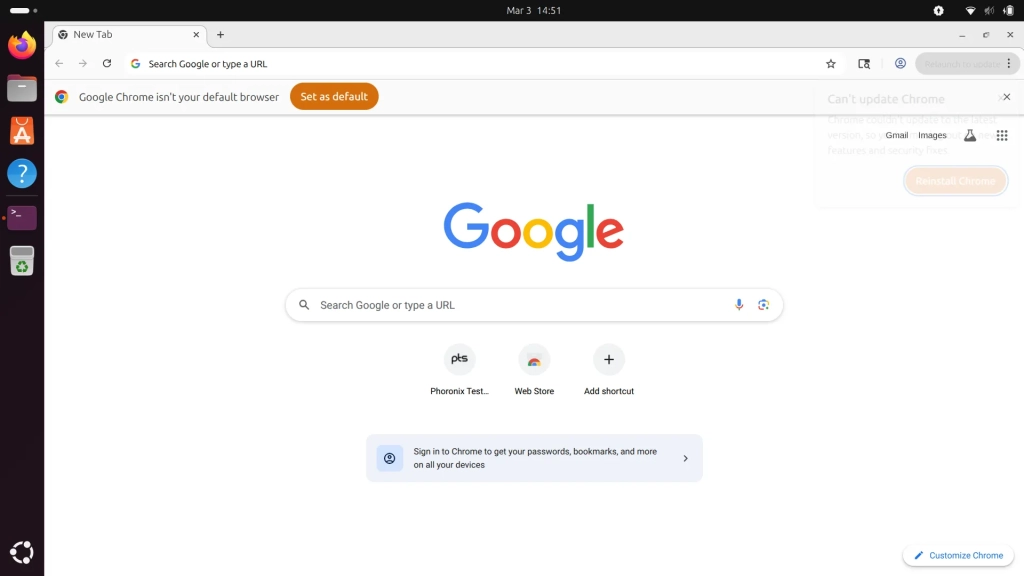
Google Chrome Accelerates Innovation: Browser Moves to Rapid Two-Week Release Cycle
In a bold move that signals the accelerating pace of web innovation, Google has announced a dramatic shift in how it delivers Chrome updates to users worldwide. Starting this September, the world’s most popular web browser will transition from its current four-week release cycle to an aggressive two-week cadence, promising faster delivery of cutting-edge features, critical security patches, and performance enhancements.
A Strategic Response to Web Evolution
The decision represents more than just a scheduling change—it’s a fundamental reimagining of how modern browsers evolve. Google’s rationale is straightforward yet profound: “the web platform is constantly advancing,” and the company recognizes that users and developers can no longer afford to wait a month between meaningful updates.
This acceleration reflects the increasingly competitive landscape of web browsers, where milliseconds matter and user expectations for seamless, cutting-edge experiences continue to rise. By compressing the development and release timeline, Google aims to create a more responsive ecosystem that can adapt to emerging web standards, security threats, and user needs with unprecedented agility.
Technical Advantages of Rapid Iteration
The two-week cycle offers several compelling technical benefits. Smaller, more frequent updates mean that individual releases contain less code change, making it easier for Google’s engineering teams to isolate and resolve issues quickly. This approach fundamentally changes the debugging paradigm—when problems arise, developers can pinpoint their origins within a much narrower window of changes, dramatically reducing troubleshooting time.
Moreover, this cadence allows for more iterative development. Features can be deployed in smaller, more manageable chunks, enabling real-world testing and user feedback to inform subsequent development phases. It’s a philosophy that embraces continuous improvement over monolithic releases, aligning with modern software development practices like DevOps and continuous deployment.
Impact on Users and Developers
For end users, this change promises a more dynamic browsing experience. Performance improvements that might have waited weeks will now arrive biweekly, potentially including optimizations for battery life, memory usage, and rendering speed. Security patches will reach users faster, reducing the window of vulnerability to emerging threats. New web capabilities and APIs will become available more quickly, enabling developers to create richer, more sophisticated web applications.
Developers stand to benefit significantly from this accelerated timeline. The shorter release cycle means faster access to new browser APIs and features, allowing them to innovate more rapidly. The reduced scope of each release also means fewer breaking changes per update, simplifying testing and deployment processes for web applications.
The September Launch and Beyond
The transition begins with Chrome 153, scheduled for release on September 8th. This inaugural two-week release will set the tone for what Google hopes will become a new standard in browser development velocity. The company has already begun preparing its infrastructure and development processes to support this more demanding schedule.
Industry analysts view this move as potentially transformative for the browser market. If successful, it could pressure competitors like Mozilla Firefox, Microsoft Edge, and Apple Safari to reconsider their own release strategies, potentially ushering in a new era of rapid innovation across the entire web ecosystem.
A Bold Bet on the Future of the Web
Google’s decision represents a calculated risk. The accelerated pace demands exceptional coordination across engineering teams, quality assurance processes, and release management. However, the potential rewards—a more secure, performant, and feature-rich browsing experience delivered at unprecedented speed—could justify the operational challenges.
As the web continues to evolve from a document delivery platform into a sophisticated application runtime, the ability to iterate quickly becomes not just advantageous but essential. Google’s move positions Chrome at the forefront of this evolution, potentially setting a new benchmark for how modern software should be developed and delivered.
The two-week release cycle is more than a technical decision—it’s a statement about the future of the web. In an era where innovation cycles are measured in days rather than months, Google is betting that faster iteration will drive better outcomes for users, developers, and the web platform as a whole.
tags
GoogleChrome #WebBrowser #TechNews #SoftwareDevelopment #Innovation #WebTechnology #Google #BrowserUpdate #TechIndustry #DigitalTransformation
viralTags
ChromeUpdate #TwoWeekRelease #WebInnovation #TechEvolution #BrowserRevolution #FasterUpdates #GoogleMoves #WebDevelopment #TechBreakthrough #DigitalSpeed #Chrome153 #FutureOfBrowsing #TechAcceleration #WebPlatform #BrowserTechnology #SiliconValley #TechLeadership #DigitalFuture #SoftwareEngineering #TechStrategy
viralPhrases
“Web moves faster now” “Chrome just got an upgrade” “Google doubles down on speed” “Browser evolution accelerates” “Two weeks to the future” “Chrome’s new rapid rhythm” “Web technology never sleeps” “Innovation on fast-forward” “Google’s bold browser bet” “The web just got quicker” “Chrome’s new heartbeat” “Tech moves at light speed” “Browser updates reimagined” “Web development transformed” “Chrome’s velocity revolution” “Digital transformation accelerates” “Google’s tech tempo increases” “The future arrives faster” “Web browsing reimagined” “Chrome’s new era begins”
,


Leave a Reply
Want to join the discussion?Feel free to contribute!