
Google Translate Gets Gemini AI for Smarter Translations and Real-Time Headphone Translation
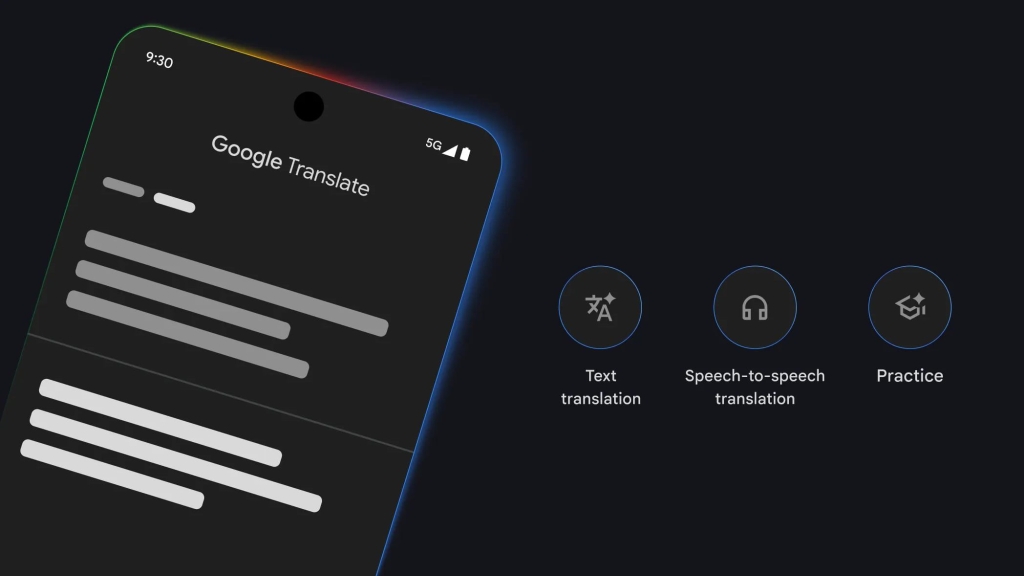
Google Translate Gets a Major AI Overhaul: Gemini Integration Brings Smarter, More Natural Translations
In a significant leap forward for language technology, Google has announced a groundbreaking update to its translation services, integrating its advanced Gemini AI to deliver more intelligent, context-aware translations across multiple platforms. The tech giant is rolling out these improvements on March 26, promising users a more natural and nuanced translation experience that goes far beyond literal word-for-word conversions.
The new Gemini-powered translation system represents a fundamental shift in how Google approaches language barriers. By leveraging artificial intelligence, the platform can now better understand the subtle meanings, cultural context, and idiomatic expressions that often trip up traditional translation algorithms. This means phrases that previously resulted in awkward or nonsensical translations will now flow more naturally, capturing the intended meaning rather than just the literal words.
Available through both the Google Translate mobile app for iOS and the web interface, the enhanced translation capabilities support English and nearly 20 other major languages including Spanish, Hindi, Chinese, German, and Japanese. The integration promises particular improvements for complex linguistic elements like idioms, local expressions, and contemporary slang that have traditionally posed challenges for automated translation systems.
What sets this update apart is Gemini’s ability to parse contextual meaning rather than simply substituting words from one language to another. For instance, idiomatic phrases that might have previously been translated literally—resulting in confusion or miscommunication—will now be rendered in ways that native speakers of the target language would naturally express the same concept. This represents a significant advancement in making cross-language communication feel more authentic and less mechanical.
Beyond text translation, Google is also debuting an exciting beta feature for real-time audio translations using headphones. This experimental capability promises to preserve not just the meaning but also the tone, emphasis, and cadence of spoken language, making live conversations across language barriers feel more natural and less robotic. Users can activate this feature by wearing any compatible headphones, opening the Google Translate app, and selecting “Live Translate.”
Currently, this real-time translation beta is available exclusively to Android users, though Google has confirmed plans to expand support to iOS devices later in 2026. The feature represents a significant step toward the sci-fi dream of universal real-time translation, potentially transforming everything from international business meetings to casual travel interactions.
The timing of this update is particularly noteworthy as it comes amid growing competition in the AI translation space, with companies like Microsoft, OpenAI, and various startups all racing to develop more sophisticated language processing capabilities. Google’s decision to integrate Gemini directly into its translation services signals the company’s commitment to maintaining its leadership position in this crucial area of technology.
For everyday users, these improvements could have far-reaching implications. Travelers will find it easier to navigate foreign countries, students can better understand materials in other languages, and businesses can communicate more effectively with international partners. The enhanced ability to handle nuanced language also means that cultural context and subtle meanings won’t get lost in translation as frequently as they have in the past.
The rollout of these features also highlights Google’s broader strategy of embedding AI capabilities across its product ecosystem. By integrating Gemini into a widely used service like Google Translate, the company is demonstrating how advanced AI can enhance everyday tools that billions of people rely on, making sophisticated technology accessible without requiring users to understand the complex systems working behind the scenes.
As language technology continues to evolve, these improvements represent just the beginning of what’s possible when artificial intelligence is applied to human communication. The ability to bridge language barriers more effectively has profound implications for global connectivity, cultural exchange, and international collaboration in an increasingly interconnected world.
#GoogleTranslate #GeminiAI #LanguageTechnology #AI #Translation #Google #TechNews #ArtificialIntelligence #LanguageLearning #RealTimeTranslation #iOS #Android #TechUpdate #Innovation #DigitalCommunication #GlobalConnectivity
“Google Translate just got a serious AI upgrade that’s going to change how we communicate across languages forever.”
“Say goodbye to awkward translations—Gemini AI is making Google Translate smarter than ever.”
“The future of breaking language barriers is here, and it’s powered by Google’s Gemini AI.”
“Real-time translation that actually sounds human? Google just made it possible with this game-changing update.”
“Google is bringing sci-fi level translation tech to your phone, and it’s available starting today.”
“Finally, a translation app that understands idioms, slang, and cultural context like a native speaker.”
“This isn’t just an update—it’s a complete reimagining of how AI can help us connect across languages.”
“Google Translate’s new AI features are so good, you might forget you’re even using a translation app.”
“The language barrier is officially crumbling thanks to Google’s latest AI breakthrough.”
“Whether you’re traveling, studying, or doing business internationally, these new translation tools are about to make your life a whole lot easier.”,

Leave a Reply
Want to join the discussion?Feel free to contribute!