
Google’s new 1.9GW clean energy deal includes massive 100-hour battery
Google’s Minnesota Data Center to Be Powered by World’s Largest Battery—and It’s Made of Rust
In a bold move that blends cutting-edge technology with environmental responsibility, Google has announced plans to construct its first-ever data center in Minnesota—an ambitious project that will be powered almost entirely by clean energy, thanks to an unprecedented partnership with Xcel Energy and a revolutionary new battery technology from Form Energy.
The data center, set to be built in Pine Island, a small town located about an hour southeast of Minneapolis, will serve as a model for the future of sustainable digital infrastructure. At the heart of this initiative is a jaw-dropping 300-megawatt battery system capable of delivering its full power capacity for an astonishing 100 hours—making it the largest battery installation in the world at a staggering 30 gigawatt-hours.
But this isn’t just any battery. Form Energy, a Massachusetts-based startup that has been making waves in the energy sector, has developed a completely novel approach to energy storage. Instead of relying on conventional lithium-ion chemistry, Form’s batteries store and release energy by rusting and un-rusting iron—a process that sounds almost too simple to be revolutionary, yet promises to be a game-changer for the renewable energy industry.
Here’s how it works: When oxygen from the air flows over small iron pellets inside the battery, it causes the iron to rust, generating electricity in the process. To recharge, an electrical current reverses the reaction, turning the rust back into metallic iron and releasing oxygen. It’s a beautifully elegant solution—one that leverages the abundance and low cost of iron to create a storage system that is not only sustainable but also remarkably affordable.
Of course, there are trade-offs. Form’s iron-air batteries are heavier and less energy-efficient than their lithium-ion counterparts, with an efficiency rate of just 50% to 70%, compared to over 90% for lithium-ion. But the real magic lies in the cost: Form Energy estimates that its batteries will ultimately cost just $20 per kilowatt-hour—less than a third of the price of lithium-ion storage. For grid-scale applications, where cost and longevity matter more than weight and efficiency, this could be transformative.
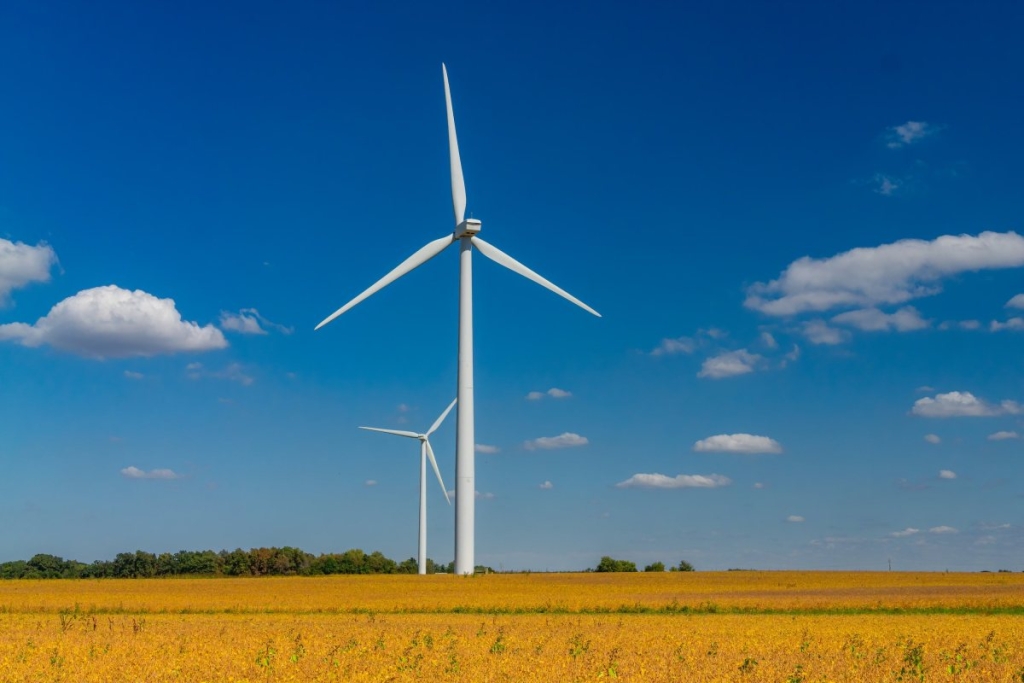
The Pine Island data center will be backed by a total of 1.9 gigawatts of clean power, including 1.4 gigawatts of new wind power and 200 megawatts of solar energy, all integrated with Form’s massive battery. This combination will allow Google to “firm” its renewable energy supply—ensuring that clean power is available even when the sun isn’t shining or the wind isn’t blowing. In other words, the battery will act as a buffer, storing excess energy during peak production times and releasing it during lulls, effectively smoothing out the intermittency that has long plagued renewable energy sources.
This project also introduces an innovative utility fee structure to Minnesota, known as the “clean transition tariff” or “clean energy accelerator charge.” This mechanism, first developed by Google in Nevada in collaboration with enhanced geothermal startup Fervo, allows utilities to pursue clean energy projects that might otherwise be deemed too risky by regulators. Under this arrangement, Google agrees to pay a premium to ensure that regular ratepayers aren’t burdened with the costs if the project encounters difficulties. It’s a win-win: utilities can move faster on clean energy, and tech companies can secure the sustainable power they need to support their growing digital infrastructure.
Form Energy’s batteries are still relatively new to the market. The company’s first commercial installation is currently underway with Great River Energy, a cooperative utility in Minnesota, and will provide 150 megawatt-hours of storage for 100 hours, delivering 1.5 megawatts to the grid at peak. If successful, this project could pave the way for widespread adoption of iron-air batteries across the United States and beyond.
The implications of this development are profound. As demand for data centers continues to skyrocket—driven by the rise of artificial intelligence, cloud computing, and streaming services—the tech industry’s energy consumption is growing at an unprecedented rate. Google’s move to anchor its infrastructure in clean, reliable, and affordable energy could set a new standard for the entire sector, proving that sustainability and scalability can go hand in hand.
Moreover, the success of Form Energy’s technology could accelerate the transition to renewable energy on a global scale. By solving the intermittency problem at a fraction of the cost of existing solutions, iron-air batteries could make it economically viable for utilities to rely more heavily on wind and solar power, reducing dependence on fossil fuels and helping to combat climate change.
Google’s investment in Minnesota is more than just a data center—it’s a bold statement about the future of energy, technology, and the planet. By betting big on a homegrown startup and a novel battery chemistry, the tech giant is not only securing its own energy future but also lighting the way for a cleaner, more sustainable world.
Tags: Google, data center, Minnesota, Pine Island, clean energy, renewable energy, Form Energy, iron-air battery, Xcel Energy, energy storage, sustainability, tech innovation, climate change, grid-scale battery, wind power, solar power, long-duration storage, energy transition, battery technology, green tech
Viral Sentences:
- Google is building the world’s largest battery—and it’s made of rust!
- This battery can power a data center for 100 hours straight.
- Iron-air batteries could be the key to unlocking 24/7 renewable energy.
- Google’s new data center will run on clean energy, thanks to a revolutionary battery.
- The future of energy storage is heavy, cheap, and surprisingly simple.
- Google’s bet on Form Energy could change the game for renewable energy.
- This battery is three times cheaper than lithium-ion—and just as powerful.
- Google is proving that tech giants can lead the way in sustainability.
- The clean energy revolution just got a major boost from Google and Form Energy.
- Minnesota is about to become the epicenter of the next big energy breakthrough.
,


Leave a Reply
Want to join the discussion?Feel free to contribute!