
Google’s new plan to check if your AI is actually ethical
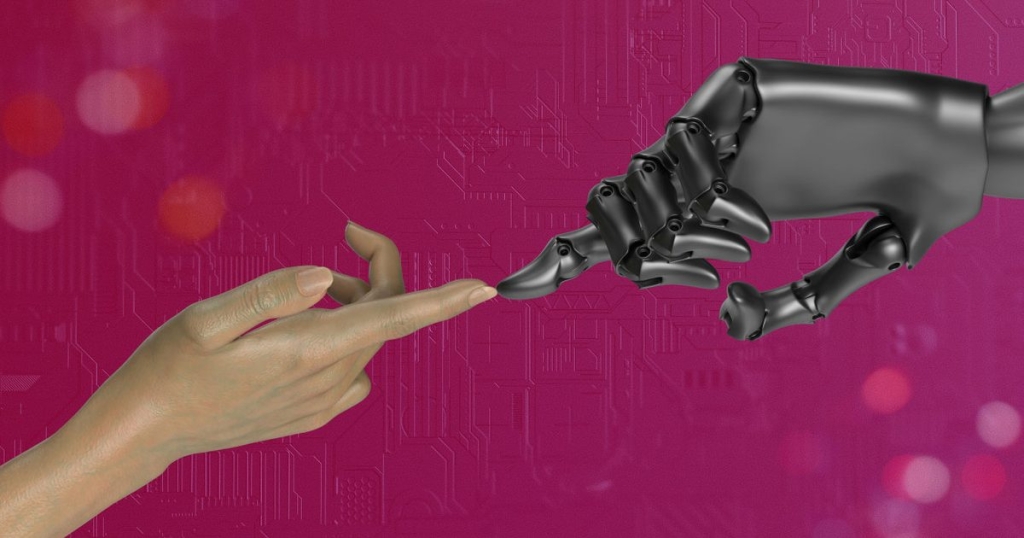
Google DeepMind Unveils Radical New Test to Determine If AI Really Understands Morality—Or Just Sounds Like It
You’re lying in bed at 2 a.m., anxiety gnawing at your chest. You open a chatbot, type, “Should I tell my partner about my past infidelity?” The bot replies with something measured, empathetic, and morally sound. But here’s the terrifying question: Did it actually weigh the stakes—or did it just string together the most statistically probable words to sound wise?
That’s the unsettling dilemma at the heart of a groundbreaking new Nature paper from Google DeepMind. The team argues that the way we currently test AI for ethical behavior is fundamentally broken. Right now, we judge AI morality by its “moral performance”—whether it produces answers that sound right. But sounding right is not the same as understanding right from wrong.
As AI systems are increasingly used for therapy, medical guidance, and even companionship, this distinction matters more than ever. We’re entrusting life-altering decisions to machines we can’t peer inside. If we can’t tell genuine moral reasoning from sophisticated mimicry, we’re gambling with real human lives.
DeepMind’s answer is a bold roadmap for measuring moral competence—the ability to make judgments based on actual ethical considerations, not just statistical patterns. The paper identifies three core obstacles and proposes rigorous ways to test for each.
The Three Reasons Chatbots Fake Morality
First: The Facsimile Problem. Large language models are next-token predictors. They sample from probability distributions built on massive datasets. They don’t run internal moral reasoning modules. So when a chatbot gives ethical advice, it might be reasoning—or it might be regurgitating something it saw on Reddit. The output alone won’t tell you.
Second: Moral Multidimensionality. Real moral choices rarely hinge on a single factor. You’re constantly weighing honesty against kindness, fairness against loyalty, cost against compassion. Change one detail—someone’s age, the setting, the timing—and the “right” answer can flip entirely. Current tests don’t check if AI notices what actually matters.
Third: Moral Pluralism. Different cultures, professions, and legal systems have different ethical frameworks. What’s fair in Sweden might be unfair in Saudi Arabia. A chatbot used worldwide can’t just spit out universal truths. It needs to navigate competing moral systems—and we don’t yet measure that well.
Why Your Chatbot’s Moral Education Can’t Just Be Memorization
DeepMind wants to flip the script. Instead of asking familiar moral questions, researchers should design adversarial tests specifically built to expose mimicry.
One idea involves scenarios unlikely to appear in training data. Take intergenerational sperm donation, where a father donates sperm to his son to fertilize an egg on his son’s behalf. It looks like incest but carries different ethical weight. If a model rejects it for incest reasons, that’s pattern matching. If it navigates the actual ethics, that’s something else.
Another approach tests whether AI can shift frameworks. Can it toggle between biomedical ethics and military rules and give coherent answers for each? Can it handle small tweaks without getting tripped up by formatting changes?
The researchers know this is tough. Current models are brittle. Change a label from “Case 1” to “Option A” and you might get a completely different verdict. But they argue this kind of testing is the only way to know if these systems deserve real responsibility.
What Comes Next for Moral AI
DeepMind is pushing for a new scientific standard that takes moral competence as seriously as math skills. That means funding global work on culturally specific evaluations and designing tests that catch fakes.
Don’t expect your chatbot to pass these anytime soon. Current techniques aren’t there yet, but the roadmap gives developers a direction.
When you ask AI for moral advice right now, you’re getting statistical prediction, not philosophy. That might eventually change. But only if we start measuring the right things.
Tags: Google DeepMind, AI ethics, moral AI, artificial intelligence, Nature paper, chatbot morality, ethical AI, moral competence, AI testing, adversarial AI, AI safety, machine learning ethics, AI reasoning, moral multidimensionality, moral pluralism, AI responsibility, ethical frameworks, AI development, technology news
Viral Sentences: AI might be faking morality—and we’d never know. The chatbot gave perfect advice… but did it actually understand? Google DeepMind says we’re testing AI ethics all wrong. Your AI therapist might just be parroting Reddit. The future of AI depends on whether it can truly reason morally. This new test could expose whether AI is thinking—or just sounding smart.
,


Leave a Reply
Want to join the discussion?Feel free to contribute!