
Google’s Windows rival could redefine laptops, and it’s almost here
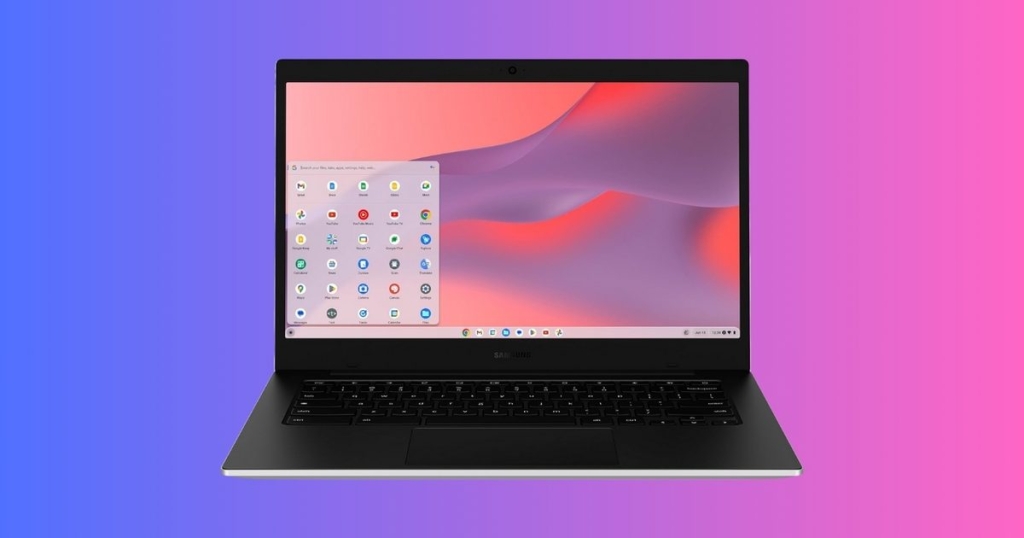
Google’s Aluminium OS: The Android-ChromeOS Fusion That Could Challenge Windows
Breaking News: Google’s Aluminium OS Inches Closer to Reality
In a stunning revelation at Mobile World Congress 2026, Google’s Android Ecosystem President Sameer Samat dropped a bombshell that’s sending shockwaves through the tech industry. The long-rumored operating system that merges Android and ChromeOS—codenamed Aluminium OS—is reportedly on track for a release later this year, potentially as early as fall 2026.
This isn’t just another incremental update; it’s Google’s most ambitious play yet to create a unified computing experience that could finally give Microsoft and Apple legitimate competition in the desktop space.
The Inside Story: What We Know About Aluminium OS
Sources close to Google’s development teams have been whispering about this project for months, but Samat’s confirmation at MWC has legitimized what many thought was just another tech rumor. The executive’s enthusiasm about “what’s coming later this year” has tech analysts scrambling to understand the implications.
Here’s what we’re hearing from inside sources:
Native Android App Support on Steroids
Unlike ChromeOS’s limited Android app compatibility, Aluminium OS promises full-fledged Android app support with proper desktop optimization. Think of your favorite mobile apps, but reimagined for larger screens with mouse and keyboard input.
Multitasking That Actually Works
ChromeOS has always felt like a glorified web browser. Aluminium OS reportedly brings true desktop-level multitasking, with windowed apps, virtual desktops, and a taskbar that doesn’t feel like an afterthought.
Gemini AI Integration Everywhere
Google’s AI assistant isn’t just a side feature—it’s woven into the fabric of Aluminium OS. Early beta testers describe a system where Gemini anticipates your needs, manages workflows, and even suggests app combinations based on your habits.
Phone-to-PC Connectivity That Rivals Apple
Remember how magical it feels when your iPhone and MacBook just work together? Aluminium OS promises similar magic with Android phones, enabling seamless file transfers, message synchronization, and even the ability to run your phone’s apps directly on your laptop.
Why This Changes Everything
For years, Google has been running a platform strategy that felt more like a holding pattern than a coherent vision. Android for mobile, ChromeOS for laptops, and a growing collection of services that sometimes worked together and sometimes didn’t.
Aluminium OS represents Google’s acknowledgment that this fragmented approach wasn’t working. By creating a single operating system that spans form factors, Google is finally positioning itself to compete with Apple’s legendary ecosystem integration.
Industry analysts are already drawing parallels to Microsoft’s Windows 95 moment—a fundamental shift that redefined what users could expect from their computing experience.
The Competitive Landscape
Let’s be real: this is as much about catching up as it is about innovating. Apple has been running a unified platform strategy for years, with iOS, iPadOS, and macOS sharing enough DNA that moving between devices feels effortless.
Microsoft has struggled with Windows on ARM and mobile initiatives, but still dominates the traditional PC market. Google’s play with Aluminium OS is essentially betting that the future isn’t about Windows vs. macOS, but about open vs. closed ecosystems.
What This Means for Hardware Partners
The implications extend far beyond software. Samsung, Acer, ASUS, and other ChromeOS manufacturers are reportedly preparing new premium laptop lines specifically designed for Aluminium OS. These won’t be your typical Chromebook fare—think high-end processors, premium materials, and prices that reflect serious computing power.
Google’s Pixel hardware team is also rumored to be working on dedicated Aluminium OS devices, potentially including a new category of hybrid tablet-laptop devices that blur the lines between mobile and desktop computing.
The Road Ahead: Why 2026 Might Just Be the Beginning
Here’s the reality check: when Samat says “later this year,” don’t expect to walk into Best Buy and find Aluminium OS devices lining the shelves this fall. Industry insiders suggest a phased rollout strategy.
Phase one likely involves developer previews and limited releases to hardware partners. Phase two could see public beta programs rolling out through 2027. A full consumer launch might not happen until 2028 or beyond.
During this transition, ChromeOS isn’t going anywhere. Google seems committed to maintaining both platforms during a multi-year migration period, similar to how Apple managed the Intel-to-Apple Silicon transition.
The Developer Angle: A Gold Rush Opportunity
For developers, Aluminium OS represents a massive opportunity. The ability to create apps that work seamlessly across phones, tablets, and laptops with a single codebase is the kind of promise Microsoft tried (and failed) to deliver with Universal Windows Platform.
Early developer kits are reportedly circulating through Google’s trusted tester program, with particular focus on creative professionals, developers, and enterprise users who need powerful desktop-class applications.
Privacy and Security Considerations
Google’s track record on privacy isn’t exactly spotless, and Aluminium OS raises new questions. How will Google balance deep integration with user privacy? Will the system’s AI features require constant cloud connectivity? These are questions Google will need to answer convincingly if Aluminium OS is to gain mainstream adoption.
The Bottom Line
Google’s Aluminium OS isn’t just another operating system announcement—it’s potentially the most significant shift in personal computing since the smartphone revolution. Whether it succeeds in challenging Windows and macOS dominance remains to be seen, but one thing is clear: the era of Google’s fragmented platform strategy is ending, and something new is taking its place.
The tech world will be watching closely as fall 2026 approaches, with every hint and leak analyzed for clues about whether Google has finally cracked the code on unified computing.
Tags: Google Aluminium OS, Android ChromeOS merger, MWC 2026 news, Sameer Samat interview, Google operating system, ChromeOS replacement, Android desktop platform, Gemini AI integration, Microsoft Windows competitor, Apple ecosystem rival, Samsung Chromebook future, premium Android laptops, unified computing experience, Google Pixel hardware, developer opportunity, privacy concerns, tech industry disruption, fall 2026 release, phased rollout strategy, cross-platform development
Viral Phrases: “Google’s Windows killer moment,” “Android finally grows up,” “ChromeOS’s death knell,” “The Apple ecosystem has met its match,” “Google’s platform unification gamble,” “Multitasking that actually works,” “AI everywhere philosophy,” “The end of platform fragmentation,” “Developer gold rush incoming,” “Privacy in an AI-first world,” “Hardware partners preparing for revolution,” “2026: The year Google gets serious about PCs,” “ChromeOS users beware,” “Pixel’s big moment approaching,” “Microsoft and Apple on notice,” “The unified computing dream,” “Google’s platform strategy finally makes sense,” “Beta testers describe ‘magical’ experience,” “Industry analysts call it ‘Windows 95 moment,'” “Phased rollout means years of transition,” “Creative professionals rejoice,” “Enterprise adoption could make or break it,” “Cloud dependency concerns mounting,” “Form factor flexibility finally realized,” “The ecosystem wars heat up,” “Google’s most ambitious play yet.”
,

Leave a Reply
Want to join the discussion?Feel free to contribute!