
Government Docs Reveal New Details About Tesla and Waymo Robotaxis’ Human Babysitters
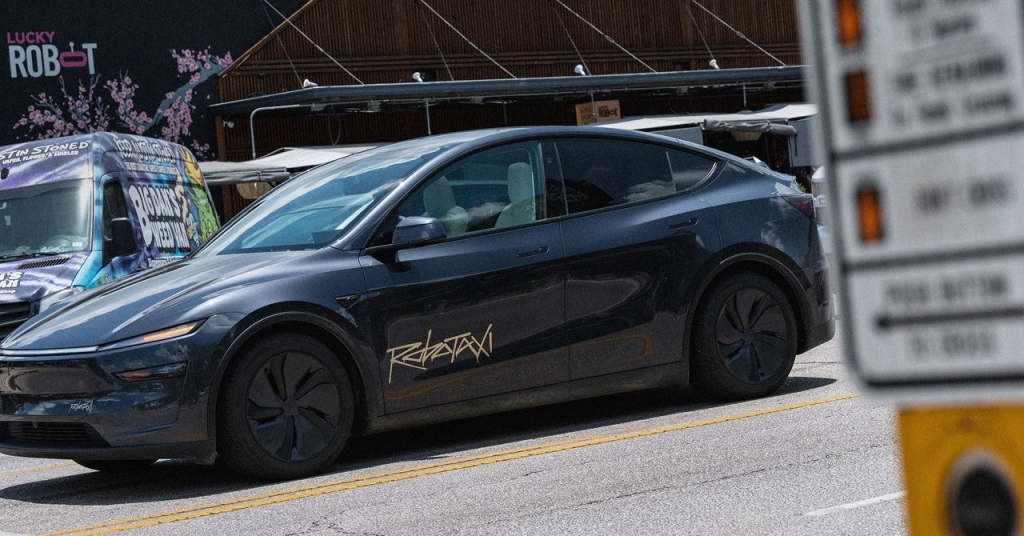
The Remote Control Conspiracy: Inside the Hidden Human Network Powering Self-Driving Cars
The internet has been buzzing with a wild conspiracy theory that’s got tech enthusiasts and skeptics alike scratching their heads: Are those sleek, futuristic self-driving vehicles we see gliding through city streets actually just sophisticated remote-controlled cars, piloted by anonymous operators sitting in distant call centers?
As autonomous vehicles expand their reach across major metropolitan areas, this theory has exploded across social media platforms, from encrypted group chats to viral TikTok videos. The speculation has been fueled by the industry’s notorious secrecy about the human element behind these robotic marvels.
But now, two industry giants—Alphabet’s Waymo and electric vehicle pioneer Tesla—have dropped some bombshell revelations in recent government filings that shed light on the mysterious human operators who help these vehicles navigate complex situations.
When Robots Get Confused: The Critical Role of Human Backup
The truth is more nuanced than the conspiracy theorists suggest. Even the most advanced autonomous vehicles encounter scenarios that stump their sophisticated software. Take, for instance, the recent San Francisco power outage that left Waymo vehicles stranded at intersections when traffic lights went dark. Or the ongoing investigations into multiple instances of robotaxis illegally passing stopped school buses in Austin, Texas—an incident that prompted Waymo to issue a software recall.
These aren’t just minor hiccups; they’re potentially dangerous situations where human intervention can mean the difference between a safe stop and a catastrophic accident. “For the foreseeable future, there will be people who play a role in the vehicles’ behavior, and therefore have a safety role to play,” explains Philip Koopman, an autonomous vehicle software and safety researcher at Carnegie Mellon University. He emphasizes that one of the most challenging aspects of self-driving technology is creating software sophisticated enough to recognize when it needs human assistance.
Meet the Human Operators Behind Waymo’s Robotaxis
Waymo operates its paid robotaxi service in six major metropolitan areas—Atlanta, Austin, Los Angeles, Phoenix, and the San Francisco Bay Area—with ambitious expansion plans including London. In a recent blog post and letter to US Senator Ed Markey, the company revealed fascinating details about its “remote assistance” program.
The program employs approximately 70 remote assistance agents at any given time to monitor around 3,000 robotaxis—a remarkably low ratio that demonstrates just how capable the vehicles’ autonomous systems truly are. These aren’t puppeteers pulling strings; they’re more like expert consultants providing advice when the vehicle’s software hits a wall.
Here’s where it gets really interesting: Waymo confirmed that half of these remote assistance workers are contractors based in the Philippines. These operators are licensed to drive in their home country but undergo extensive training on US road rules and traffic patterns. All remote assistance workers undergo drug and alcohol testing upon hiring, with 45 percent subjected to random testing every three months as part of Waymo’s safety protocols.
The Truth About “Remote Control”
Waymo’s vice president and global head of operations, Ryan McNamara, was explicit in denying the remote control conspiracy: “Waymo’s RA agents provide advice and support to the Waymo Driver but do not directly control, steer, or drive the vehicle.” The system can choose to accept or reject the information provided by human operators, maintaining the vehicle’s autonomous decision-making capabilities.
This nuanced approach represents the current state of autonomous vehicle technology—a hybrid system where advanced AI handles the vast majority of driving tasks, but human expertise serves as a crucial safety net for edge cases and unexpected scenarios.
The Bigger Picture
As self-driving technology continues to evolve and expand into new cities, the role of human operators will likely remain a critical component of the safety ecosystem. These behind-the-scenes professionals represent the bridge between current capabilities and the fully autonomous future that tech visionaries promise.
The conspiracy theories may make for entertaining speculation, but the reality is far more complex and, frankly, more impressive. We’re not looking at remote-controlled cars; we’re witnessing the gradual evolution of transportation technology, where human expertise and artificial intelligence work in tandem to create safer, more efficient mobility solutions.
The next time you see a Waymo or Tesla navigating city streets, remember: there’s a sophisticated network of human professionals standing by, ready to assist when the robots need a helping hand. It’s not remote control—it’s remote collaboration, and it’s shaping the future of how we move through our world.
Tags & Viral Phrases:
self-driving cars conspiracy theory
remote-controlled robotaxis debunked
Waymo human operators revealed
Tesla autonomous vehicle secrets
Philippines remote assistance workers
robotaxi safety protocols
autonomous vehicle edge cases
San Francisco power outage robotaxis
school bus passing investigations
Carnegie Mellon autonomous vehicle research
Waymo expansion to London
remote assistance program details
autonomous vehicle software recalls
human-AI collaboration in transportation
future of self-driving technology
,


Leave a Reply
Want to join the discussion?Feel free to contribute!