
GPS jamming: The invisible battle in the Middle East
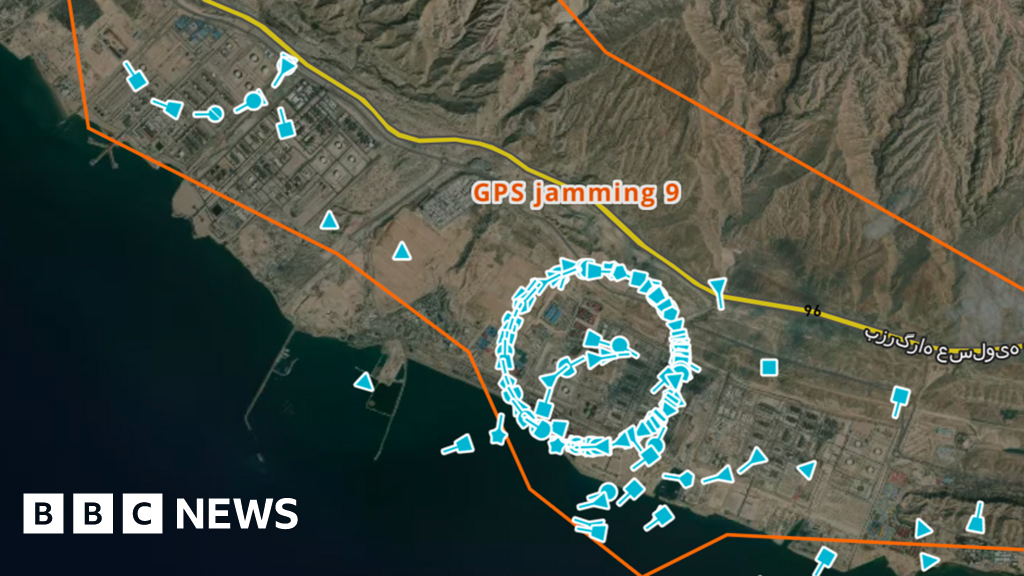
GPS Jamming in the Gulf: A Growing Threat to Maritime Navigation and the Push for Technological Alternatives
In recent years, the Gulf region has become a focal point for a growing and alarming trend: GPS jamming. This disruptive practice has not only made navigation hazardous for vessels traversing these waters but has also sparked urgent efforts to develop alternative navigation systems. As the reliance on Global Positioning System (GPS) technology continues to grow across industries, the vulnerabilities exposed by jamming incidents in the Gulf serve as a stark reminder of the need for resilient and innovative solutions.
The Rise of GPS Jamming in the Gulf
GPS jamming involves the deliberate interference with GPS signals, rendering navigation systems ineffective. While jamming can occur for various reasons, including military exercises or criminal activities, the Gulf has seen a notable increase in such incidents. Ships and aircraft in the region have reported sudden loss of GPS signals, leading to confusion, delays, and, in some cases, dangerous situations.
The Gulf’s strategic importance as a global shipping hub makes it particularly vulnerable to such disruptions. The Strait of Hormuz, a critical chokepoint for oil tankers and cargo ships, has been a hotspot for GPS interference. These incidents have raised concerns among maritime authorities, shipping companies, and governments about the potential for accidents, piracy, or even geopolitical tensions exacerbated by navigation failures.
The Impact on Maritime Navigation
The consequences of GPS jamming in the Gulf are far-reaching. For maritime operators, the sudden loss of GPS signals can lead to:
- Navigational Errors: Without GPS, ships may struggle to determine their exact position, increasing the risk of collisions or grounding.
- Delayed Operations: Vessels may need to slow down or reroute, causing delays in cargo delivery and financial losses.
- Safety Risks: In extreme cases, the inability to navigate accurately can endanger the lives of crew members and passengers.
The shipping industry, which relies heavily on GPS for route planning, cargo tracking, and collision avoidance, has been particularly hard-hit. The Gulf’s busy shipping lanes mean that even a brief disruption can have cascading effects on global trade.
The Push for Alternatives
The growing threat of GPS jamming has spurred efforts to develop alternative navigation systems that are less vulnerable to interference. These initiatives aim to ensure the safety and efficiency of maritime operations while reducing dependence on GPS. Some of the most promising alternatives include:
- eLoran (Enhanced LORAN): A terrestrial radio navigation system that uses low-frequency signals to provide accurate positioning. Unlike GPS, eLoran is less susceptible to jamming and spoofing.
- Inertial Navigation Systems (INS): These systems use motion sensors to calculate a vessel’s position based on its initial location and movement. While INS can accumulate errors over time, it serves as a reliable backup when GPS is unavailable.
- Celestial Navigation: A traditional method that uses the positions of stars, the sun, and the moon to determine location. While not as precise as modern systems, celestial navigation is immune to electronic interference.
- Quantum Navigation: An emerging technology that leverages the principles of quantum mechanics to provide highly accurate positioning without relying on external signals.
Governments and organizations in the Gulf region are investing in these technologies to enhance maritime safety. For instance, the United States Coast Guard has been testing eLoran as a backup to GPS, while the United Kingdom has implemented a nationwide eLoran network. Similarly, private companies are exploring innovative solutions, such as AI-powered navigation systems that can adapt to signal disruptions.
The Broader Implications
The GPS jamming crisis in the Gulf highlights the broader vulnerabilities of our increasingly interconnected world. As societies become more reliant on technology, the potential for disruption grows. This issue extends beyond maritime navigation, affecting aviation, telecommunications, and even critical infrastructure like power grids.
The Gulf’s experience serves as a wake-up call for policymakers, industry leaders, and technologists to prioritize resilience in navigation systems. It also underscores the importance of international cooperation in addressing shared challenges. As the race to develop alternatives intensifies, the Gulf region may emerge as a testing ground for the next generation of navigation technologies.
Looking Ahead
The fight against GPS jamming in the Gulf is far from over, but the efforts to develop alternatives offer hope for a safer and more secure future. By investing in resilient technologies and fostering collaboration, the maritime industry can mitigate the risks posed by signal interference and ensure the smooth flow of global trade.
As the world watches the Gulf’s response to this challenge, one thing is clear: the need for innovation in navigation has never been more urgent. The lessons learned here will undoubtedly shape the future of maritime safety and inspire new solutions to protect against the vulnerabilities of our digital age.
Tags and Viral Phrases:
GPS jamming, Gulf navigation crisis, maritime safety, eLoran technology, inertial navigation systems, celestial navigation revival, quantum navigation breakthroughs, GPS vulnerabilities, shipping industry challenges, Strait of Hormuz disruptions, alternative navigation solutions, maritime innovation, global trade security, signal interference threats, resilient navigation systems, international maritime cooperation, next-gen navigation tech, GPS backup systems, Gulf shipping lanes, navigation technology evolution, maritime cybersecurity, GPS spoofing risks, terrestrial navigation systems, AI-powered navigation, maritime safety innovations, global positioning system alternatives, Gulf region navigation, shipping industry resilience, navigation technology advancements, maritime crisis management.
,

Leave a Reply
Want to join the discussion?Feel free to contribute!