
Grammarly Allegedly ‘Misappropriated’ Names of Journalists, Says Class Action Suit
Grammarly’s AI “Expert Review” Feature Faces Legal Backlash and Public Scrutiny
In a stunning turn of events that has sent shockwaves through the tech and literary worlds, Grammarly—the AI-powered writing assistant used by millions—has found itself at the center of a major controversy. The company’s recently launched “Expert Review” feature, which promised to offer users writing advice inspired by renowned authors and journalists, has been abruptly pulled from service amid allegations of identity misappropriation and a class-action lawsuit.
The Rise and Fall of “Expert Review”
Last August, Grammarly introduced its “Expert Review” feature with considerable fanfare. The AI-powered tool was designed to provide users with writing suggestions and revisions inspired by the styles of famous authors, journalists, and literary figures. According to the company, the feature aimed to help writers discover influential perspectives and scholarship relevant to their work while offering meaningful ways for experts to build deeper relationships with their fans.
However, what seemed like an innovative addition to Grammarly’s suite of writing tools quickly unraveled when it was revealed that the company had been using the names and identities of hundreds of journalists, authors, writers, and editors without their consent. Notable figures included in the feature ranged from Stephen King to Gizmodo’s own Raymond Wong, none of whom had been consulted about their inclusion.
The Lawsuit That Changed Everything
On the same day that Grammarly announced the temporary disablement of the “Expert Review” feature, a class-action lawsuit was filed against the company. The suit, brought by investigative journalist Julia Angwin, alleges that Grammarly “misappropriated” the identities of the figures who ostensibly inspired the feature.
The class action lawsuit, which currently has only one named member—Julia Angwin—names several notable figures mentioned by Grammarly, including the horror master Stephen King. According to the filing, the suit “challenges Grammarly’s misappropriation of the names and identities of hundreds of journalists, authors, writers, and editors to earn profits for Grammarly and its owner, Superhuman.”
The legal basis for the lawsuit stems from California Civil Code § 3344(a)(1), which states:
“Any person who knowingly uses another’s name, voice, signature, photograph, or likeness, in any manner, on or in products, merchandise, or goods, or for purposes of advertising or selling, or soliciting purchases of, products, merchandise, goods, or services, without that person’s prior consent, or, in the case of a minor, the prior consent of their parent or legal guardian, shall be liable for any damages sustained by the person or persons injured as a result thereof.”
While the lawsuit does not demand a specific sum of money in damages, it does state that “the amount in controversy exceeds $5 million,” potentially exposing Grammarly to significant financial liability.
Public Reaction and Industry Response
The controversy has sparked a broader conversation about the ethical use of AI in creative fields and the rights of individuals to control the use of their names and likenesses. Many in the literary and journalistic communities have expressed concern about the implications of such technology, particularly when used without consent.
Julia Angwin, in an interview with Wired, described her surprise at the feature’s quality, stating that she expected “anodyne” AI-generated content but instead found that the feature was “kind of actively making it worse.” She added, “I was surprised at how bad it was,” highlighting not only the ethical concerns but also the potential quality issues with AI-generated writing advice.
Grammarly’s Response and Future Implications
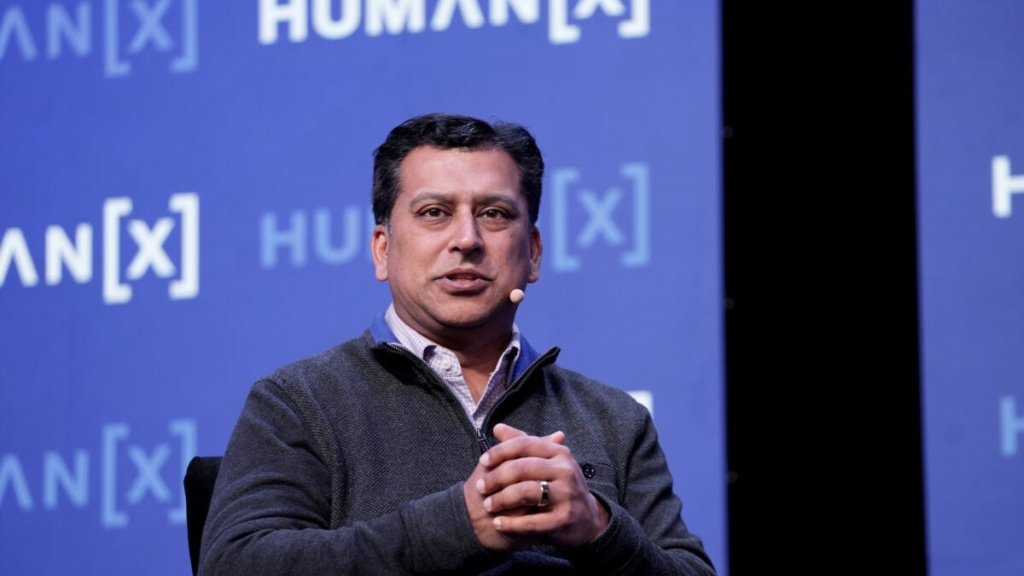
In a LinkedIn post, Grammarly CEO Shishir Mehrotra acknowledged that the company “fell short” in its implementation of the “Expert Review” feature. He stated that the agent was designed to help users discover influential perspectives and scholarship relevant to their work, while also providing meaningful ways for experts to build deeper relationships with their fans.
However, the timing of the feature’s removal and the lawsuit filing has raised questions about whether the legal action directly influenced Grammarly’s decision to pull the feature. The company has not yet commented on the specifics of the lawsuit, and Gizmodo has reached out for further clarification.
The Broader Context: AI Ethics and Intellectual Property
This incident highlights the growing tension between technological innovation and ethical considerations in the age of AI. As companies race to implement AI-powered features, the line between inspiration and appropriation becomes increasingly blurred. The Grammarly case serves as a cautionary tale for tech companies about the importance of obtaining proper consent and respecting intellectual property rights, even in the rapidly evolving landscape of AI development.
Looking Ahead
As the lawsuit progresses, it will likely set important precedents for how AI companies can use the names, likenesses, and styles of real individuals in their products. The outcome could have far-reaching implications for the development of AI writing tools and other AI-powered creative applications.
For now, Grammarly users will have to make do without the “Expert Review” feature, and the company faces the daunting task of navigating both legal challenges and public relations fallout. As the AI industry continues to mature, it’s clear that companies will need to tread carefully when it comes to leveraging the identities and intellectual property of real people, no matter how noble their intentions might be.
The Grammarly controversy serves as a stark reminder that in the rush to innovate, companies must not lose sight of fundamental ethical principles and legal obligations. As AI continues to reshape our world, finding the right balance between technological advancement and respect for individual rights will be crucial for the sustainable growth of the industry.
Tags:
GrammarlyControversy #AIethics #ClassActionLawsuit #WritingTools #TechBacklash #IntellectualProperty #AIWriting #TechEthics #LegalBattle #InnovationVsRights
Viral Phrases:
“Grammarly’s AI feature pulled amid lawsuit”
“Authors’ names used without consent”
“Tech company faces $5 million lawsuit”
“AI writing tool controversy”
“Ethical AI development questioned”
“Tech innovation meets legal reality”
“Writing assistant in hot water”
“AI and intellectual property rights”
“Tech companies must tread carefully”
“Balancing innovation with ethics”
,


Leave a Reply
Want to join the discussion?Feel free to contribute!