
Hackers Working on Method to Make Ring Cameras Store Footage Locally, Never Giving It to Amazon
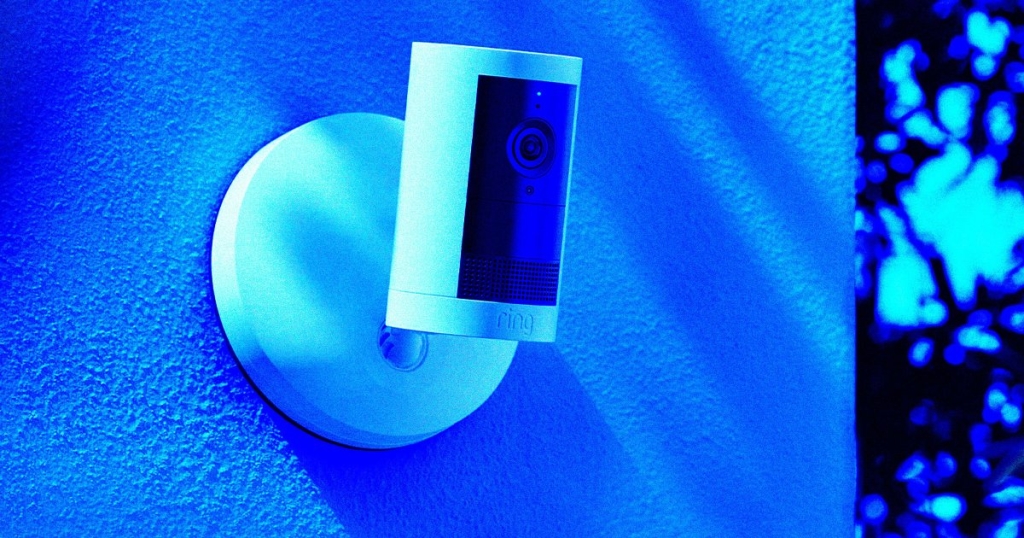
Tech Titans Take Notice as Hackers Race to Break Ring’s Amazon Chains
A new digital bounty hunt is underway, and this time the target isn’t a bank vault or a government server—it’s the humble Ring video doorbell sitting on millions of porches across America. The Fulu Foundation, a non-profit digital rights organization founded by prominent tech repair YouTuber Louis Rossman, has launched a $11,000 challenge that’s sending shockwaves through both the cybersecurity community and the smart home industry.
The bounty, which was first reported by Wired, isn’t just another hacking competition. It represents a growing rebellion against the surveillance economy that has quietly transformed consumer devices into data collection tools. The challenge specifically targets Ring’s video doorbells, demanding that hackers find a way to sever the device’s umbilical cord to Amazon’s servers while maintaining full functionality for the device owner.
The Surveillance Bargain Nobody Signed Up For
When consumers purchase a Ring doorbell, they’re entering into a Faustian bargain that extends far beyond the initial purchase price. Amazon’s terms of service grant the tech giant indefinite storage rights to all recorded footage, automatic data sharing with law enforcement upon request, and integration into a vast neighborhood surveillance network that turns private homes into nodes of a public monitoring system.
The Electronic Frontier Foundation has documented how Ring’s data practices effectively create a digital panopticon, where homeowners who thought they were buying security devices have instead become unwitting participants in one of the largest civilian surveillance operations in history. The company’s Super Bowl advertisement, which was widely criticized as dystopian, crystallized these concerns by presenting a vision of security that many found deeply unsettling.
The Technical Challenge That Could Change Everything
The Fulu Foundation’s bounty sets an ambitious technical bar. The winning solution must accomplish several interconnected goals that strike at the heart of Ring’s business model. First, it must completely block the device from communicating with Amazon’s servers—cutting off the data pipeline that feeds the company’s surveillance apparatus. Second, it must eliminate the requirement that the device maintain constant connectivity to Amazon to function properly. Third, and perhaps most revolutionary, it must enable device owners to integrate their doorbells directly with local PCs or servers through either Wi-Fi or physical connections.
This isn’t just about privacy; it’s about ownership. The bounty description explicitly states that the solution should give “total control” to the device owner, transforming a product that was designed to serve Amazon’s interests into one that serves the homeowner’s interests instead. The modification must be achievable using “readily available” tools and must work on Ring camera models released after 2021, ensuring that the solution has practical applicability for current device owners.
Digital Ownership in the Age of Smart Devices
Kevin O’Reilly, Fulu’s cofounder, articulated the philosophical underpinning of the challenge when he told Wired that “control is at the heart of security.” This statement encapsulates a growing realization among consumers that the smart devices they purchase often come with hidden costs—not just in terms of money, but in terms of autonomy and privacy.
The Ring doorbell exemplifies this problem perfectly. Consumers who install these devices typically do so with the intention of making their homes more secure. However, the reality is that by surrendering control of their data to Amazon, they may actually be making themselves more vulnerable. The footage captured by these devices contains intimate details about daily routines, visitor patterns, and personal habits—information that, in the wrong hands, could be used for purposes far beyond simple home security.
The Hacker Community Responds
The response from the hacking community has been swift and enthusiastic. The bounty fund has already attracted significant donations, with Fulu Foundation matching up to the first $10,000 contributed. One donor, identified only as David, contributed $10 and explained simply: “Don’t have a Ring camera myself, but want to help the cause.”
This grassroots support reflects a broader cultural shift in how people view the relationship between consumers and technology companies. The traditional model, where companies maintain complete control over devices even after purchase, is increasingly being challenged by communities that believe ownership should mean exactly that—full control over the products you’ve paid for.
Beyond Ring: A Movement Takes Shape
The Ring bounty is just one part of Fulu’s broader mission to reclaim digital ownership. The organization currently has bounties active for other popular devices, including the Xbox Series X and the GE Refrigerator SmartWater Filter. This suggests that Ring is not an isolated case but rather part of a systematic problem where consumer devices are designed to serve corporate interests at the expense of user autonomy.
The implications extend far beyond individual privacy concerns. When millions of households are equipped with devices that continuously collect and transmit data to corporate servers, the result is a massive surveillance infrastructure that operates largely outside of public oversight or democratic control. This infrastructure has already been used by law enforcement agencies, raising serious questions about the erosion of Fourth Amendment protections in the digital age.
The Stakes Couldn’t Be Higher
The Ring bounty represents more than just a technical challenge—it’s a referendum on the future of consumer technology. Will devices continue to be designed as tools for corporate surveillance and data extraction, or will consumers reclaim the right to own and control the technology they purchase?
The answer could come from an unexpected quarter: the global community of ethical hackers and security researchers who see this challenge not just as an opportunity for financial reward, but as a chance to push back against the surveillance economy. If successful, the solution developed through this bounty could provide a blueprint for how consumers can reclaim control over their smart devices, potentially sparking a broader movement toward digital ownership and privacy.
As the clock ticks on this high-stakes hacking challenge, one thing is clear: the outcome will have implications that reach far beyond the individual Ring doorbell. It could determine whether the future of consumer technology is one of corporate control or genuine ownership—and whether our homes remain our castles or become nodes in a corporate surveillance network.
tags: Ring doorbell hack, Fulu Foundation bounty, Amazon surveillance, digital ownership, smart home privacy, Ring camera security, Louis Rossman, ethical hacking, consumer rights, surveillance capitalism, Ring doorbell modification, home security privacy, Ring Amazon data sharing, Ring doorbell control, smart device ownership, Ring doorbell jailbreak, Fulu Foundation challenge, Ring doorbell bypass, Ring camera local storage, Ring doorbell firmware hack
viral sentences: “Hack Ring cameras to stop sharing data with Amazon” “People who own security cameras bought them to make their homes more secure” “Without control of the video those cameras generate, Ring owners might actually be making them less so” “Don’t have a Ring camera myself, but want to help the cause” “It’s been an interesting moment for people to grasp exactly the trade-off that they have had to accept” “People who install security cameras are looking for more security, not less” “At the end of the day, control is at the heart of security” “If we don’t control our data, we don’t control our devices” “The largest civilian surveillance panopticon in history” “Dystopian Super Bowl advertisement” “Simply smashing them” “AI Surveillance Systems Are Causing a Staggering Number of Wrongful Arrests”
,


Leave a Reply
Want to join the discussion?Feel free to contribute!