
Hacking conference Def Con bans three people linked to Epstein
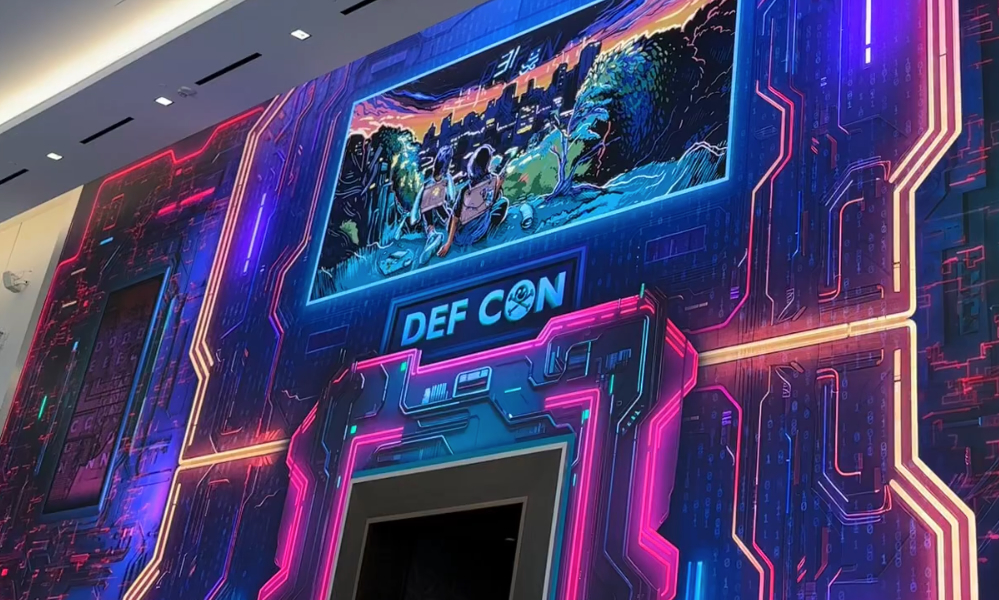
Def Con Excludes Three High-Profile Figures from Epstein Investigation from Conference
In a significant move that has sent shockwaves through the cybersecurity community, Def Con, the world’s largest and most influential hacking conference, has officially banned three prominent figures who have been linked to the late Jeffrey Epstein from attending future events. The conference announced on Wednesday that Pablos Holman, Vincenzo Iozzo, and Joichi Ito have been added to its public list of banned individuals, citing their appearance in recently released Department of Justice files related to the investigation of the convicted sex offender.
The Context: Epstein’s Shadow Looms Large
Jeffrey Epstein, the disgraced financier who died in 2019 while awaiting trial on federal sex trafficking charges, has cast a long shadow across multiple industries. His connections to powerful figures in technology, academia, and finance have been the subject of intense scrutiny since his arrest and subsequent death in federal custody.
The decision by Def Con to ban these three individuals comes in the wake of a Politico article that revealed email exchanges between Epstein and the banned parties, adding fuel to the ongoing controversy surrounding Epstein’s network of associates.
Who Are the Banned Individuals?
Vincenzo Iozzo: The Cybersecurity Veteran
Vincenzo Iozzo, a well-respected figure in the cybersecurity industry, has been particularly vocal in defending himself against the allegations. Iozzo, who currently serves as the founder and CEO of identity startup SlashID, responded to the ban through his spokesperson, Joan Vollero.
Vollero stated that the ban is “entirely performative, given that Mr. Iozzo has barely attended the conference in the past twenty years.” The spokesperson further criticized Def Con’s actions as “a rush to judgment not based on any investigation or wrongdoing by Mr. Iozzo.”
Iozzo’s career in cybersecurity is notable. He previously served as a director at CrowdStrike following the security giant’s acquisition of his cybersecurity startup, IperLane, in 2017. His interactions with Epstein, which occurred between 2014 and 2018, were described as limited to business discussions that “never materialized,” according to Iozzo’s previous statements to TechCrunch.
Joichi Ito: The MIT Media Lab Connection
Joichi Ito’s connection to Epstein is perhaps the most controversial of the three. As the former director of the MIT Media Lab, Ito resigned in 2019 after revelations surfaced about his awareness of Epstein’s status as a convicted sex offender and the extensive personal and financial relationships between Epstein, Ito, and the university.
The timing of Ito’s resignation coincided with increased scrutiny of the MIT Media Lab’s funding sources and its association with controversial figures. Ito’s appearance in multiple Epstein emails, alongside other banned individuals, has cemented his position in the ongoing investigation.
Pablos Holman: The Tech Futurist
Pablos Holman presents a different profile among the banned individuals. Described on his website as “a hacker, inventor & technology futurist,” Holman is currently a general partner at venture capital firm Deep Future.
Holman’s interactions with Epstein date back to 2010, according to DOJ files. The documents reveal that Holman planned to stay at one of Epstein’s apartments in New York City in 2013 and attempted to help Epstein manage negative online news stories about himself. These actions have raised serious questions about Holman’s judgment and associations within the tech community.
The Broader Impact on Cybersecurity Conferences
The Def Con ban follows similar actions taken by other major cybersecurity conferences. Just days before Def Con’s announcement, TechCrunch reported that Black Hat and Code Blue had removed Iozzo from their official review board pages amid emerging revelations about his connections to Epstein.
This coordinated response from multiple conferences suggests a growing awareness within the cybersecurity community about the importance of maintaining ethical standards and distance from controversial figures, particularly those associated with criminal activities.
The Department of Justice Files
The Department of Justice’s latest release of files related to its investigation of Epstein has provided new insights into the extent of his network and influence. These documents have become a crucial source of information for organizations and individuals seeking to understand and distance themselves from Epstein’s legacy.
The files contain email exchanges, meeting plans, and other communications that have helped piece together the relationships between Epstein and various figures in the technology and academic worlds. The specificity of these documents has made it difficult for those implicated to deny their associations with Epstein.
Community Reaction and Implications
The cybersecurity community has responded to these developments with a mix of support for Def Con’s decision and concern about the broader implications for professional networking and conference attendance.
Some community members have praised Def Con for taking a strong stance against individuals associated with Epstein, viewing it as a necessary step in maintaining the integrity of the hacking community. Others have expressed concern about the potential for guilt by association and the challenges of navigating professional relationships in an era of increased scrutiny.
The Challenge of Due Process
One of the key criticisms leveled at Def Con’s decision comes from Iozzo’s spokesperson, who characterized the ban as a “rush to judgment not based on any investigation or wrongdoing.” This criticism highlights the tension between the need for swift action in response to public pressure and the principles of due process and fair treatment.
The cybersecurity community, which often prides itself on rigorous analysis and evidence-based decision-making, now finds itself grappling with questions about how to balance these principles with the need to maintain ethical standards and public trust.
Looking Forward: The Future of Conference Governance
Def Con’s decision to publicly list banned individuals represents a significant shift in how technology conferences approach governance and community standards. This transparency, while potentially controversial, sets a precedent for other conferences to follow suit in addressing similar situations.
The move also raises questions about the long-term implications for conference attendance, speaker selection, and community building within the cybersecurity world. As more information continues to emerge from the Epstein investigation, other conferences may face similar decisions about how to handle individuals with questionable associations.
The Role of Media and Public Pressure
The timing of Def Con’s decision, coming shortly after the Politico article and TechCrunch’s reporting, underscores the role that media coverage and public pressure play in shaping organizational responses to controversial situations. The rapid sequence of events suggests that conferences are increasingly responsive to public scrutiny and willing to take decisive action when faced with negative publicity.
Conclusion: A Watershed Moment for Cybersecurity
The banning of Holman, Iozzo, and Ito from Def Con represents more than just an administrative decision; it marks a watershed moment for the cybersecurity community. It signals a growing recognition that the community must actively distance itself from individuals and associations that could damage its reputation or compromise its ethical standards.
As the Epstein investigation continues to unfold and more information comes to light, the cybersecurity community will likely face additional challenges in navigating these complex ethical waters. The decisions made by Def Con and other conferences will serve as important precedents for how the community addresses similar situations in the future.
The coming months and years will be crucial in determining whether these actions represent a genuine shift toward greater accountability and ethical standards, or merely a temporary response to public pressure. What remains clear is that the shadow of Jeffrey Epstein continues to cast its influence across industries, forcing difficult conversations and decisions about association, accountability, and the future of professional communities.
Tags
Epstein banned from Def Con, cybersecurity conference controversy, Jeffrey Epstein investigation, Def Con hacking conference, Vincenzo Iozzo MIT Media Lab, Joichi Ito resignation, Pablos Holman Epstein connections, cybersecurity ethics scandal, Department of Justice Epstein files, Black Hat conference Epstein links, Code Blue cybersecurity Epstein, tech community Epstein fallout, Epstein network technology industry, Def Con banned individuals list, cybersecurity conference governance, Epstein victim advocacy technology, MIT Media Lab Epstein funding, venture capital Epstein connections, hacking community standards, Epstein investigation 2026
Viral Sentences
Def Con just dropped the hammer on Epstein’s tech connections, and the cybersecurity world is reeling. The gloves are off as major conferences distance themselves from figures linked to the convicted sex offender. This isn’t just about one conference—it’s a seismic shift in how the tech community handles its dirty laundry. When Def Con speaks, the entire cybersecurity world listens, and this time they’re saying “no more” to Epstein’s associates. The Epstein investigation keeps revealing shocking connections, and now even prestigious tech conferences can’t ignore the evidence. This ban sends a clear message: the tech community won’t tolerate associations with convicted criminals, no matter how prominent. The dominoes are falling as conference after conference cuts ties with Epstein’s network. TechCrunch broke the story that’s rocking the cybersecurity world to its core. The question everyone’s asking: who’s next on the chopping block as more Epstein files get released? This is what accountability looks like in the age of viral investigations and public pressure. The cybersecurity community is drawing a line in the sand, and Epstein’s associates are on the wrong side of it.
,


Leave a Reply
Want to join the discussion?Feel free to contribute!