
Has winter salt damaged your lawn? Here’s how to fix those brown patches
Winter Salt Damage: How to Revive Your Lawn After Harsh De-Icing
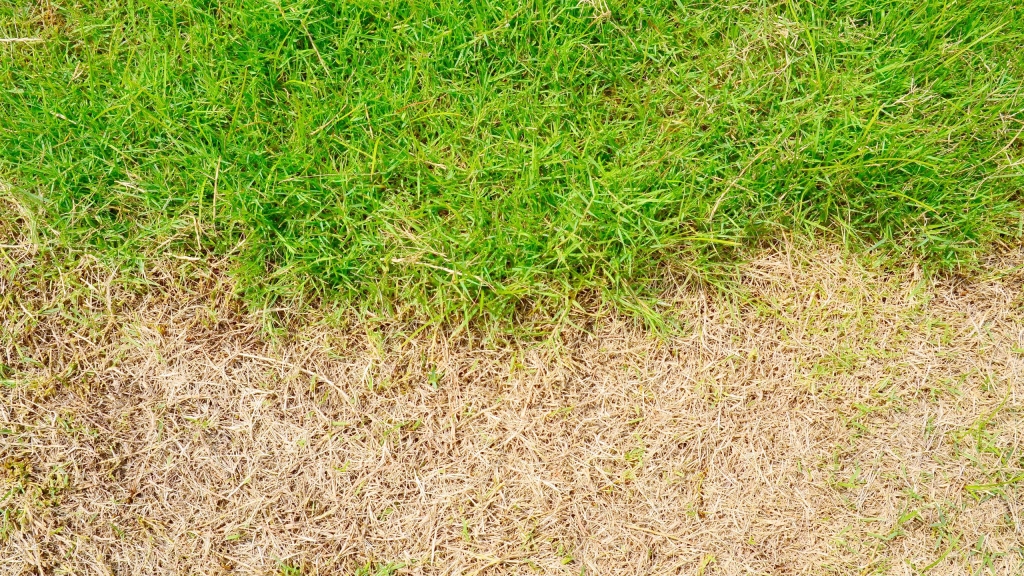
As winter fades and spring emerges, many homeowners discover unsightly brown patches scattered across their once-lush lawns. These dead zones aren’t caused by disease or neglect—they’re the collateral damage from winter de-icing efforts. Road salt, driveway treatments, and sidewalk de-icers create a perfect storm of grass destruction that becomes painfully obvious when surrounding turf greens up beautifully.
Understanding Salt’s Deadly Impact on Grass
Road salt and de-icing chemicals work by lowering the freezing point of water, keeping surfaces safe for walking and driving. However, these same compounds wreak havoc on nearby grass through multiple mechanisms. Salt spray from passing vehicles coats grass blades, while runoff from melting snow carries concentrated salt solutions into soil. Direct application near walkways creates zones of intense salt concentration.
The damage occurs because salt disrupts the delicate balance of water and nutrient uptake in grass roots. High salt concentrations in soil create osmotic stress, essentially pulling water away from grass roots rather than allowing absorption. Additionally, salt can cause direct toxicity to plant tissues and alter soil structure, making it harder for grass to establish healthy root systems.
Identifying Salt Damage vs. Other Lawn Problems
Before attempting revival, confirm that salt damage is indeed the culprit. Salt-damaged areas typically appear as irregular brown or yellow patches concentrated near driveways, sidewalks, or along roadsides. The damage pattern follows salt application paths rather than appearing randomly across the lawn.
Look for telltale signs: a white, crusty residue on soil surface indicates salt crystallization. Healthy surrounding grass that’s greening up while damaged areas remain brown or straw-colored provides another strong indicator. Test the grass itself—salt-damaged turf often pulls up easily with no root resistance, as the roots have died from salt toxicity.
Soil Testing: The Critical First Step
Don’t guess about soil conditions—test them. Home soil test kits provide valuable information about pH levels and salt concentration. Salt damage often makes soil more alkaline (pH above 7.5), creating conditions where grass cannot absorb nutrients even if salt levels decrease naturally.
Collect soil samples from both damaged and healthy areas for comparison. If pH tests reveal alkalinity above 7.5, apply gypsum (calcium sulfate) to damaged areas. Unlike lime, which would raise pH further, gypsum helps neutralize salt while improving soil structure. Water gypsum thoroughly after application to activate its salt-neutralizing properties.
For extreme cases with heavy white salt crusting and completely dead grass, more aggressive intervention is necessary. Rake out dead grass and remove the top inch of contaminated soil. Replace with fresh topsoil before reseeding. This labor-intensive approach becomes essential when salt concentration is so high that soil amendment alone won’t restore grass growth.
Timing Your Lawn Revival Strategy
Patience proves crucial in lawn restoration. Wait until soil temperatures consistently reach 50-65°F before reseeding—typically mid-to-late spring depending on your region. Reseeding in cold, wet soil leads to poor germination and wasted resources.
Choose grass seed varieties appropriate for your climate and sun exposure. For areas prone to future salt exposure, select salt-tolerant varieties like tall fescue or perennial ryegrass. These handle salt stress significantly better than Kentucky bluegrass or fine fescues.
The reseeding process requires attention to detail. Rake damaged areas to loosen soil, spread seed evenly at recommended rates, then lightly rake again to ensure seed-to-soil contact. Cover with a thin straw layer to retain moisture and protect from birds.
Watering strategy makes or breaks new grass establishment. Water lightly once or twice daily, maintaining consistent soil moisture until germination occurs. Once new grass reaches 3 inches tall, transition to deeper, less frequent watering to encourage robust root development.
Fertilization timing matters significantly. Apply starter fertilizer with higher phosphorus content 4-6 weeks after new grass germinates to promote root development. Avoid heavy fertilization immediately after seeding, as tender new grass can burn easily. First mowing should occur when grass reaches 3-4 inches, removing no more than one-third of blade length.
Preventing Future Salt Damage
Smart winter preparation prevents annual lawn devastation. Consider salt alternatives like calcium magnesium acetate for walkways and driveways near grass. These products are less harmful to plants while still providing effective ice melting.
Create physical barriers using burlap or snow fencing to protect grass from salt spray. Apply gypsum in fall before winter weather arrives to help soil better tolerate salt exposure. Consider redesigning landscape features to create buffer zones between treated surfaces and grass areas.
For heavily trafficked areas where salt use is unavoidable, consider installing salt-tolerant ground covers or expanding hardscaping to eliminate grass in these zones entirely.
Long-term Lawn Health Strategies
Once you’ve revived salt-damaged areas, maintain overall lawn health to improve resilience against future salt exposure. Aerate soil annually to improve drainage and reduce compaction. Maintain proper mowing height—taller grass develops deeper roots better able to withstand stress.
Address underlying soil issues that make grass more vulnerable to salt damage. Poor drainage, nutrient deficiencies, or compacted soil all reduce grass’s ability to recover from salt exposure. Regular soil testing and appropriate amendments create conditions where grass can better tolerate occasional salt contact.
Consider overseeding entire lawn with improved grass varieties that offer better stress tolerance. Modern grass breeding has produced varieties specifically selected for improved salt tolerance, drought resistance, and overall hardiness.
When to Call Professional Help
Some salt damage situations require professional intervention. If large areas are affected, if soil testing reveals extremely high salt concentrations, or if previous DIY attempts have failed, consulting a lawn care professional may be worthwhile.
Professionals have access to commercial-grade soil amendments, specialized grass varieties, and equipment that makes restoration more efficient. They can also provide accurate soil testing and customized treatment plans based on your specific conditions.
The Cost of Inaction
Ignoring salt-damaged areas leads to several problems beyond aesthetic concerns. Bare patches invite weed invasion, as opportunistic plants quickly colonize unprotected soil. Erosion becomes more likely in damaged areas, potentially creating drainage issues.
Salt damage can spread beyond initial affected areas if not addressed, as runoff carries salt to previously healthy sections. The longer damage persists, the more difficult and expensive restoration becomes.
Recovery Timeline Expectations
Realistic expectations about recovery timeline prevent disappointment. Even with proper treatment, salt-damaged areas may take the entire growing season to fully recover. Some areas might require multiple treatment cycles over several years to achieve complete restoration.
Factors affecting recovery speed include salt concentration levels, soil conditions, weather patterns, and the care provided during establishment. Areas with moderate damage might show improvement within weeks, while severely affected zones could take months to regain full vitality.
Seasonal Considerations for Different Regions
Recovery strategies vary by climate zone. Northern regions with shorter growing seasons need to act quickly in spring to maximize recovery time before fall dormancy. Southern areas might have longer recovery windows but face different challenges like heat stress on newly establishing grass.
Consider your specific regional conditions when planning restoration. Areas with heavy spring rainfall might benefit from natural salt dilution, while arid regions might need more intensive irrigation support during establishment.
By understanding salt damage mechanisms, implementing proper soil treatment, and following through with appropriate reseeding and maintenance, you can successfully revive winter-damaged lawns. The key lies in prompt identification, appropriate intervention, and patience throughout the recovery process.
Tags: salt damage lawn repair, winter grass recovery, de-icing salt damage, lawn restoration spring, grass reseeding tips, soil amendment gypsum, salt-tolerant grass varieties, DIY lawn repair, seasonal lawn care, grass root recovery, lawn maintenance guide, winter damage prevention, turf revival techniques, landscaping solutions, garden recovery tips
Viral Phrases:
“Winter’s hidden lawn killer revealed”
“Transform dead patches into green paradise”
“The salt damage secret your neighbors don’t know”
“Grass resurrection: from brown to green in weeks”
“Beat winter’s aftermath with these lawn hacks”
“Your lawn’s spring comeback story starts here”
“The ultimate guide to salt damage recovery”
“Why your grass looks dead (and how to fix it)”
“Professional results without professional prices”
“Spring lawn revival that actually works”
“The timing trick that doubles your success rate”
“Turn winter’s destruction into spring’s triumph”
“Grass that survives salt: the varieties that win”
“DIY lawn repair that neighbors will envy”
“The complete salt damage solution manual”,


Leave a Reply
Want to join the discussion?Feel free to contribute!