
Have an Air Purifier? This Is the One Thing You’re Doing Wrong
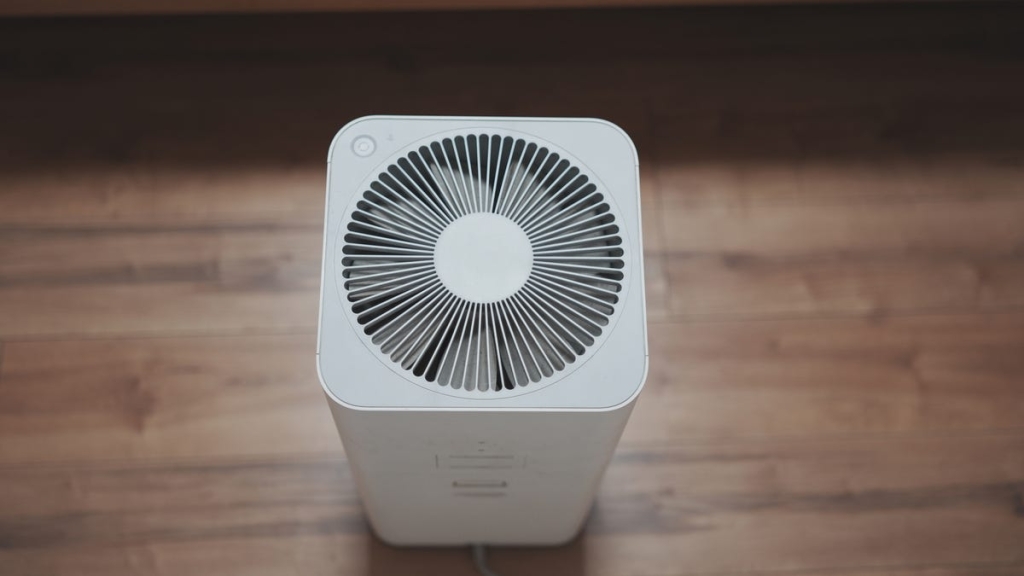
Air Purifier Filters: The Silent Health Hazard in Your Home
In today’s world, where air quality is increasingly becoming a concern, air purifiers have emerged as essential household devices. They promise to cleanse the air of pollutants, allergens, and harmful particles, ensuring that the air we breathe is clean and safe. However, there’s a hidden danger lurking in many homes: neglected air purifier filters. Experts warn that failing to maintain these devices can lead to severe health consequences, potentially making the air inside your home more polluted than if you didn’t use an air purifier at all.
The Hidden Dangers of Dirty Filters
Air purifier filters are designed to trap pollutants, preventing them from circulating in the air and entering your body. Over time, these filters accumulate dust, allergens, bacteria, and even mold spores. If not replaced regularly, the collected pollutants can build up and clog the filter. This not only reduces the purifier’s efficiency but can also lead to the release of these contaminants back into your home. Dr. Karyi Coyle, a pulmonologist and assistant professor of medicine at New York Medical College, explains, “A dirty filter can create an indoor air quality that is worse than it would be with no purifier at all.”
Health Implications
The consequences of breathing in air contaminated by a dirty filter can be severe. Dr. Lyndsey Darrow, an epidemiologist and professor of public health at the University of Nevada, Reno, highlights that this could lead to respiratory, cardiovascular, or allergy-related health issues. A clogged filter is also more susceptible to mold growth, which can release spores into the air, exacerbating allergies, asthma symptoms, and other respiratory problems.
Energy and Cost Consequences
Beyond health risks, a dirty air purifier filter can also impact your wallet. A clogged filter requires more energy to push air through, increasing energy usage and costs. Over time, this strain can shorten the lifespan of your air purifier, leading to expensive repairs or the need for a replacement.
Choosing the Right Filter
To ensure your air purifier is effective, it’s crucial to choose the right filter. The gold standard recommended by most pulmonary and allergy specialists is the HEPA (High-Efficiency Particulate Air) filter. These filters can remove at least 99.97% of airborne particles as small as 0.3 microns, including dust, pollen, mold spores, and even some bacteria and viruses. For added protection against odors and chemical fumes, consider a HEPA filter with an activated carbon filter.
How Often Should You Change Your Filter?
The frequency of filter changes depends on several factors, including the type of filter, usage, and air quality. In general, HEPA filters should be replaced every six to 12 months, carbon filters every three to six months, and pre-filters every one to three months. However, if you have pets, live in a high-pollution area, or experience frequent wildfires, you may need to change your filters more often.
Can You Wash Air Purifier Filters?
Most HEPA and carbon filters are disposable and should not be washed. Washing these filters can damage them, rendering them ineffective at capturing fine particles. Always check your manufacturer’s manual to see if your specific filter is washable.
The Bottom Line
Your air purifier’s role is to purify the air you breathe, but neglecting its maintenance can have the opposite effect. Regularly changing your air purifier’s filter is essential to ensure it functions effectively and keeps your indoor air clean and safe. While replacing filters may seem like an unnecessary expense, the benefits of clean air and good health are invaluable.
Tags: Air Purifier, Health, Indoor Air Quality, HEPA Filter, Allergies, Asthma, Mold, Pollutants, Energy Efficiency, Home Maintenance, Respiratory Health, Clean Air, Filter Replacement, Indoor Pollution, Air Quality, Wellness, Home Safety, Environmental Health, Breathing, Allergens, Bacteria, Viruses, Smoke, Odors, Carbon Filter, Pre-Filter, Energy Costs, Lifespan, Repairs, Replacement, Manufacturer’s Guide, Usage, Air Quality, Pets, High Pollution, Wildfires, Disposable Filters, Washable Filters, Effectiveness, Fine Particles, Mold Growth, Spores, Symptoms, Problems, Expenses, Benefits, Invaluable, Maintenance, Neglect, Consequences, Clean, Safe, Essential, Household Devices, Pollutants, Allergens, Harmful Particles, Hidden Danger, Health Consequences, Indoor Air, Clogged Filter, Contaminants, Release, Dr. Karyi Coyle, Pulmonologist, New York Medical College, Dr. Lyndsey Darrow, Epidemiologist, University of Nevada, Reno, Respiratory Issues, Cardiovascular Issues, Allergy-Related Health Issues, Energy Usage, Costs, Wallet, Lifespan, Expensive Repairs, Replacement, Gold Standard, Pulmonary Specialists, Allergy Specialists, HEPA Filter, High-Efficiency Particulate Air Filter, Airborne Particles, Dust, Pollen, Mold Spores, Bacteria, Viruses, Activated Carbon Filter, Odors, Chemical Fumes, Protection, Frequency, Factors, Type of Filter, Usage, Air Quality, HEPA Filters, Carbon Filters, Pre-Filters, Pets, High-Pollution Area, Wildfires, Disposable, Washable, Manufacturer’s Manual, Effective, Clean Air, Good Health, Benefits, Invaluable, Maintenance, Neglect, Consequences, Clean, Safe, Essential, Household Devices, Pollutants, Allergens, Harmful Particles, Hidden Danger, Health Consequences, Indoor Air, Clogged Filter, Contaminants, Release, Dr. Karyi Coyle, Pulmonologist, New York Medical College, Dr. Lyndsey Darrow, Epidemiologist, University of Nevada, Reno, Respiratory Issues, Cardiovascular Issues, Allergy-Related Health Issues, Energy Usage, Costs, Wallet, Lifespan, Expensive Repairs, Replacement, Gold Standard, Pulmonary Specialists, Allergy Specialists, HEPA Filter, High-Efficiency Particulate Air Filter, Airborne Particles, Dust, Pollen, Mold Spores, Bacteria, Viruses, Activated Carbon Filter, Odors, Chemical Fumes, Protection, Frequency, Factors, Type of Filter, Usage, Air Quality, HEPA Filters, Carbon Filters, Pre-Filters, Pets, High-Pollution Area, Wildfires, Disposable, Washable, Manufacturer’s Manual, Effective, Clean Air, Good Health.
,


Leave a Reply
Want to join the discussion?Feel free to contribute!