
Here’s What They’re Used For
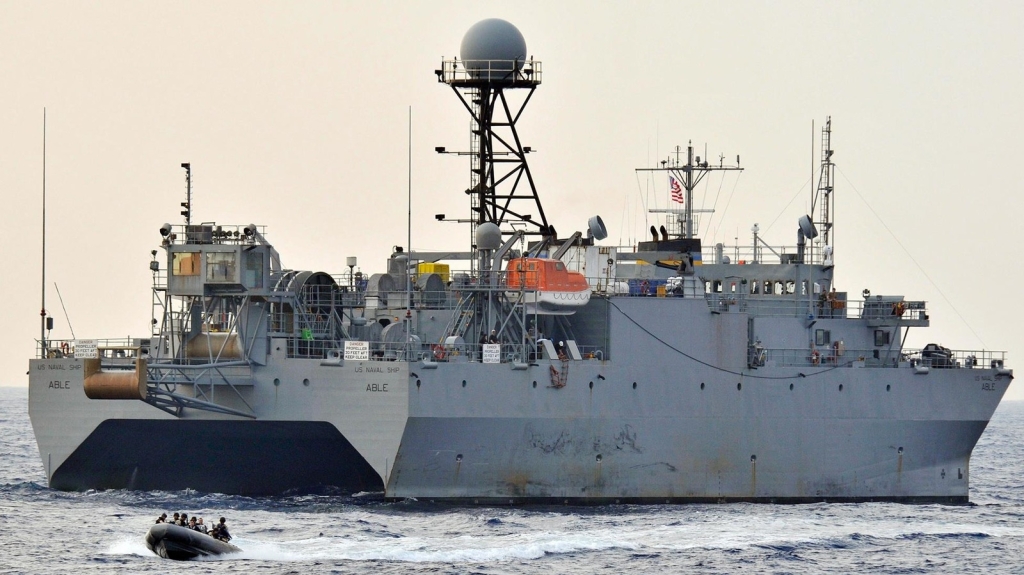
The Mysterious White Domes of the U.S. Navy: What Are They and Why Are They Everywhere?
If you’ve ever looked at a U.S. Navy warship and noticed those massive white domes perched on top, you’re not alone. These iconic “golf balls” are called radomes, and they’re more than just a quirky design feature—they’re critical to modern naval operations. But what exactly are they, and why are they so important? Let’s dive into the fascinating world of radomes and uncover their secrets.
What Are Radomes, and Why Do They Matter?
Radomes are protective enclosures designed to shield sensitive radar and communication equipment from the harsh elements. Whether it’s the scorching sun, freezing snow, or salty sea air, these domes ensure that the technology inside remains operational and accurate. They come in all shapes and sizes, from small domes on naval ships to massive structures like the ones at Buckley Air Force Base in Colorado, affectionately known as “Buckley Balls.”
These domes are far from rare. You can spot them on aircraft, at airports, atop telecommunications towers, on oceanic research vessels, and even on commercial cruise ships. In fact, they’re so common that you might not even notice them anymore. But their purpose is anything but ordinary.
The Buckley Balls: Guardians of Global Security
Take the radomes at Buckley Air Force Base, for example. These massive structures are part of the U.S. Space Force’s missile detection system. According to Colonel John Wagner, the base commander, these domes house satellite dishes and monitoring equipment capable of detecting “all of the missiles launched on the planet.” That’s right—these golf balls are essentially the eyes and ears of global missile defense.
Built to withstand extreme conditions, including F5 tornadoes with wind speeds of up to 318 mph, the Buckley Balls are a testament to engineering ingenuity. They protect the equipment inside from harsh winds, heavy snow, and damaging hail, ensuring that the U.S. remains vigilant against potential threats.
Radomes on Navy Ships: Small but Mighty
On Navy ships, radomes are smaller but serve the same critical purpose. They protect radar dishes, communication antennas, and other sensitive electronics from the brutal marine environment. Saltwater and wind can wreak havoc on delicate equipment, so these domes are essential for maintaining operational readiness.
But there’s another reason for their existence: secrecy. By covering the equipment, radomes prevent prying eyes from identifying what suite of instruments a ship is using and in which direction they’re pointing. In the world of naval warfare, this kind of discretion can be a game-changer.
The SBX Radome: A True Behemoth
Now, let’s talk about the real giant in the room—the Sea-based X-band Radar (SBX-1). This isn’t just a radome; it’s a marvel of modern engineering. Standing 103 feet high with a diameter of 120 feet, the SBX-1 is so large that it needs its own self-propelled platform to move around. In fact, it was once an offshore oil rig before being repurposed for missile defense.
Weighing a staggering 18,000 pounds, the SBX-1’s radome is often compared to the Death Star from Star Wars—and for good reason. This radar is so sensitive that it can detect an object the size of a baseball from 2,500 miles away and determine whether it’s real, fake, or just debris. It’s a key component of the U.S. Ballistic Missile Defense System (BMDS) and a symbol of America’s commitment to global security.
The radome itself is made from a flexible synthetic material and is held up by air pressure. It’s designed to withstand wind speeds of over 130 mph, making it one of the most robust structures of its kind.
The Evolution of Radar Technology
Radomes have come a long way since their inception in the 1940s. Back then, radar (Radio Direction And Ranging) was a groundbreaking technology that played a pivotal role in World War II. Today, radar systems are more advanced than ever, with some not even requiring radomes.
Take the SPY-6 radar, for example. Instead of a traditional dome, it uses individual 2’x2’x2’ “building blocks” called radar modular assemblies (RMAs). These blocks are used in different variants for various classes of ships, providing constant, 360-degree situational awareness. They’re more sensitive, have a greater range, and are far more accurate than legacy radar systems. Plus, they’re easier to maintain and have less downtime.
Why Radomes Are Here to Stay
While radar technology continues to evolve, radomes remain a crucial part of the equation. They protect sensitive equipment, ensure operational readiness, and even contribute to national security. Whether it’s a small dome on a Navy ship or a massive structure like the SBX-1, these “golf balls” are a testament to human ingenuity and the relentless pursuit of technological advancement.
So, the next time you see one of these white domes, take a moment to appreciate the incredible technology and engineering that goes into keeping our world safe and connected. After all, these unassuming structures are doing some of the most important work on the planet.
Tags & Viral Phrases
- The mysterious white domes of the U.S. Navy
- What are radomes and why are they everywhere?
- The Buckley Balls: Guardians of global security
- Navy ships and their secret radar domes
- The SBX-1: The Death Star of missile defense
- How radar technology has evolved since WWII
- The future of radar: No radomes needed?
- The unsung heroes of naval warfare
- Inside the world’s largest radar dome
- Why radomes are critical to national security
- The engineering marvel of the SBX-1
- From oil rigs to missile defense: The SBX-1’s incredible journey
- How radomes protect sensitive equipment from the elements
- The role of radomes in modern naval operations
- The next generation of radar technology: SPY-6 and beyond
,


Leave a Reply
Want to join the discussion?Feel free to contribute!