
Here’s Why Android Phones Are (Usually) Cheaper Than iPhones
Here’s Why Android Phones Are (Usually) Cheaper Than iPhones
The Great Smartphone Price Divide Explained
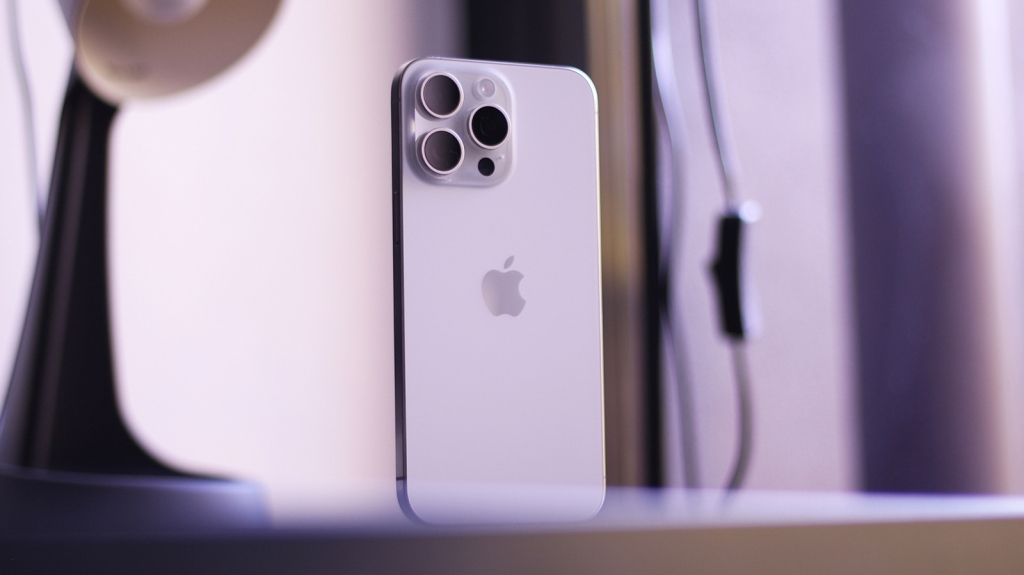
In 2017, Apple launched the iPhone X at $999, setting a new standard for premium smartphone pricing. Fast forward to today, and Apple’s Pro models hover around that same price point, with a fully maxed-out iPhone 17 Pro Max with 2TB storage hitting a staggering $2,000. The base model starts at $799, while the most affordable current-generation iPhone, the iPhone 16e, sits at $599.
Meanwhile, Android phones tell a completely different pricing story. The Samsung Galaxy A17, for example, retails at just $199, offers the same storage as the iPhone 16e, and surprisingly includes a faster 90Hz AMOLED display. Sure, the iPhone might win on camera quality and raw performance, but the Galaxy A17 delivers remarkable value for the money.
The Competition Factor: Android’s Wild West
The fundamental reason Android phones are generally cheaper comes down to one word: competition. Unlike Apple’s closed ecosystem, the Android market is a bustling marketplace with dozens of manufacturers vying for your attention and dollars.
Think about it – you’ve got Samsung, Google, OnePlus, Motorola, Nothing, Xiaomi, Realme, and countless others all competing in the same space. This intense competition forces manufacturers to get creative, sometimes cutting corners strategically while adding flashy features to stand out. It’s like a high-stakes poker game where everyone’s trying to bluff their way to the best hand.
Apple, by contrast, is the sole manufacturer of iOS devices. They don’t have to worry about a competitor undercutting them with a similar product because, well, there isn’t one. This monopoly on their ecosystem gives Apple pricing power that Android manufacturers can only dream about.
Android’s Global Reach: One Size Doesn’t Fit All
Here’s a mind-blowing statistic: Android holds over 70% of the worldwide mobile operating system market share, according to Statcounter. That’s not just impressive – it’s domination on a scale that Apple can’t touch outside of certain markets like the United States.
This massive market share exists because Android caters to literally everyone. In budget-conscious markets across Asia, Africa, and South America, brands like Xiaomi, OnePlus, and Realme have built empires by offering mid-to-high-end smartphones at prices that make premium devices look ridiculous.
The expectations game has changed dramatically. Even entry-level Android phones now ship with OLED displays, decent processors, and respectable battery life. A few years ago, this would have been unthinkable at these price points.
But here’s the catch – Android manufacturers achieve these prices by being more willing to compromise. You’ll often find plastic bodies instead of premium materials, camera setups that include gimmicky 2MP depth sensors (just so they can advertise “triple camera system”), and software support that’s, shall we say, less than stellar.
The Business Model Difference: Open vs. Closed
Apple’s approach is fundamentally different from Android’s. Apple designs its own silicon (the A-series and M-series chips) and controls its entire operating system. This vertical integration means they handle everything from hardware to software to services like iCloud and AirDrop.
Android, being open-source, allows manufacturers to pick and choose what they want to build. They don’t need to develop their own app store or worry about creating proprietary services from scratch. This flexibility reduces development costs significantly.
Additionally, Apple commits to years of software updates – typically five to six years for iPhones. Android manufacturers? Many budget phones get one or two updates, if they’re lucky. This long-term support costs money, and Apple passes some of that cost to consumers.
The Premium Brand Tax: Apple’s Secret Weapon
Let’s talk about profit margins, because this is where things get really interesting. A bill of materials analysis by 9to5Mac suggested that manufacturing an iPhone 14 Pro Max cost Apple somewhere between $454 to $474 – while they sold it for $1,100. That’s not just a profit margin; that’s a profit ocean.
Why can Apple get away with this? Simple: brand loyalty and ecosystem lock-in. Years of features like iMessage, FaceTime, AirDrop, and seamless integration with other Apple products have created a sticky ecosystem. Once you’re in, leaving feels like moving to a different country.
Samsung faces a different challenge. While also perceived as a premium brand with flagship prices similar to iPhones, Samsung doesn’t shy away from selling phones at every price point. They’ll happily sell you a $200 budget phone, even if it risks diluting their premium image. Apple would never do that – they guard their brand’s luxury perception like a dragon guards treasure.
The Corner-Cutting Reality
Here’s something Android fans might not want to admit: Apple doesn’t cut corners as aggressively as many budget Android manufacturers do. When you buy any modern iPhone, you’re guaranteed a certain level of quality across the board.
Even the cheapest iPhone, the 16e, comes with an Ingress Protection rating for water and dust resistance. This is surprisingly rare in the Android world, even on phones that cost significantly more than the iPhone 16e.
The camera experience on iPhones is consistently excellent across all price points. With Android, you might get lucky with a budget phone’s camera, or you might end up with something that makes your photos look like they were taken through a potato.
The Bottom Line
Android phones are cheaper than iPhones primarily because of market competition, willingness to compromise on materials and features, the open-source nature of Android, and the fact that Apple can charge a premium for its brand and ecosystem.
But here’s the real question: are you paying more for an iPhone, or are you investing in a different kind of product entirely? Apple sells you an ecosystem, a promise of long-term support, and a certain level of consistent quality. Android manufacturers sell you flexibility, choice, and often better specs for your money.
In the end, the “better deal” depends entirely on what you value most in a smartphone. Sometimes the cheapest option isn’t actually the best value – but other times, it absolutely is.
Tags: Android vs iPhone, smartphone pricing, budget phones, Apple premium pricing, Android competition, smartphone market share, iOS ecosystem, Android manufacturers, phone profit margins, budget smartphone deals, iPhone vs Android cost, smartphone value, mobile operating systems, tech pricing strategies, smartphone affordability
Viral Sentences: “Why pay $1,000 when you can get 90% of the experience for $200?” | “Android’s secret weapon isn’t features – it’s competition” | “Apple doesn’t sell phones; they sell membership to an exclusive club” | “The real reason your Android phone is cheaper might shock you” | “Is Apple’s premium pricing justified or just premium branding?” | “The smartphone market’s dirty little secret: everyone’s cutting corners except Apple” | “Android’s 70% market share isn’t an accident – it’s economics” | “That $200 Android phone probably costs $180 to make” | “Apple’s profit margins would make a drug cartel jealous” | “The open-source advantage that keeps your Android phone affordable”
,

Leave a Reply
Want to join the discussion?Feel free to contribute!