
Hideki Sato, known as the father of Sega hardware, has reportedly died
The End of an Era: Hideki Sato, Sega’s Legendary Hardware Visionary, Dies at 77
The gaming world has lost one of its most influential architects. Hideki Sato, the brilliant mind behind Sega’s most iconic consoles and arcade hardware, passed away on Friday at the age of 77, according to Japanese gaming publication Beep21. His death marks the end of a golden era in video game history and leaves a void that can never truly be filled.
Sato’s journey with Sega began in 1971, when the company was still finding its footing in the nascent arcade industry. Over the next three decades, he would become the creative force behind some of gaming’s most revolutionary hardware, transforming Sega from a modest arcade operator into one of the most innovative and beloved gaming companies of all time.
From the moment he joined Sega, Sato demonstrated an uncanny ability to anticipate what gamers wanted before they even knew they wanted it. His early work focused on arcade cabinets, where he helped develop some of the most groundbreaking games of the 1980s. But it was his transition to home console development that would cement his legacy as a true visionary.
The SG-1000, Sega’s first home console, launched in 1983 and marked the beginning of Sato’s console legacy. While it may not have achieved the commercial success of its competitors, it represented Sega’s first serious attempt to bring arcade-quality gaming into living rooms across Japan. Sato learned valuable lessons from this experience, lessons that would inform every console that followed.
The Master System arrived in 1985, and under Sato’s guidance, it became a formidable competitor to Nintendo’s dominance. With its superior hardware capabilities, including better graphics and sound than the NES, the Master System showcased Sato’s commitment to pushing technological boundaries. Games like Alex Kidd and ports of arcade hits demonstrated what Sega hardware could do when placed in the right hands.
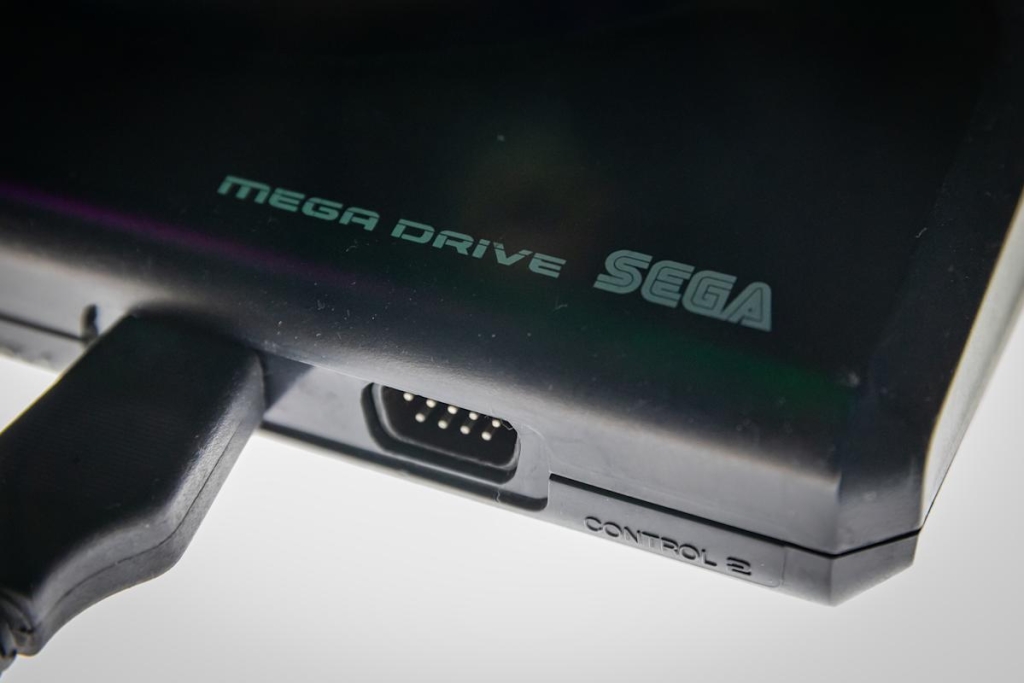
But it was the Sega Genesis (known as the Mega Drive in Japan) that truly established Sato as a hardware legend. Launched in 1988, the 16-bit console was a masterpiece of engineering and design. Sato oversaw every aspect of its development, from the custom Motorola processor to the innovative sound chip that would become the foundation for countless classic soundtracks. The Genesis wasn’t just technically impressive—it was sexy. Its sleek black design and the iconic “Sega scream” made it the cool alternative to Nintendo’s family-friendly image.
Sega of America’s then-CEO Tom Kalinske once said of the Genesis, “It was the first time we had a product that could compete head-to-head with Nintendo on a technological level.” Much of that technological prowess came directly from Sato’s vision and attention to detail.
The 1990s saw Sato continue to innovate with the Sega Saturn and Dreamcast. The Saturn, launched in 1994, was a technically ambitious console that pushed the boundaries of 3D graphics. While its complex architecture made it challenging for developers, it produced some of the most visually impressive games of its generation. Sato’s willingness to take risks, even when they didn’t always pay off commercially, demonstrated his commitment to advancing the medium.
The Dreamcast, released in 1998, represented Sato’s final masterpiece in console design. It was years ahead of its time, featuring online capabilities, a built-in modem, and the innovative Visual Memory Unit (VMU) that blurred the lines between console and handheld gaming. Games like Shenmue, Jet Set Radio, and SoulCalibur showcased the Dreamcast’s capabilities and proved that Sato still had the magic touch. Though the Dreamcast’s commercial life was brief, its influence can still be felt in modern gaming.
Beyond hardware, Sato served as Sega’s president from 2001 to 2003, guiding the company through its transition from hardware manufacturer to software publisher. This period was marked by difficult decisions, including the end of Sega’s console business, but Sato’s leadership ensured the company’s survival and eventual resurgence as a software powerhouse.
Beep21, which interviewed Sato numerous times throughout his career, paid tribute to the legendary engineer in their announcement of his passing: “He was truly a great figure who shaped Japanese gaming history and captivated Sega fans all around the world. The excitement and pioneering spirit of that era will remain forever in the hearts and memories of countless fans, for all eternity.”
The timing of Sato’s death is particularly poignant, coming just months after the passing of Sega co-founder David Rosen in December at age 95. Together, these losses represent the closing of a chapter in gaming history, as the generation that built the foundation of modern gaming gradually passes the torch to new innovators.
Sato’s influence extends far beyond the consoles he helped create. Every gamer who experienced the thrill of discovering a new Sega system, every developer inspired by the technical achievements of Genesis-era games, and every fan who still cherishes their Dreamcast collection owes a debt of gratitude to Hideki Sato. He wasn’t just building hardware; he was building memories, communities, and a legacy that continues to inspire new generations of game developers and players.
The gaming industry today—with its powerful consoles, online connectivity, and emphasis on cutting-edge graphics—stands on the foundation that pioneers like Sato helped build. His willingness to take risks, his commitment to technical excellence, and his understanding of what makes gaming magical ensured that Sega would always be remembered as a company that dared to be different.
As news of Sato’s passing spreads across the gaming community, tributes are pouring in from developers, journalists, and fans who recognize the magnitude of his contributions. Social media platforms are filled with memories of first experiences with Sega hardware, screenshots of beloved games, and expressions of gratitude for the joy Sato’s work brought to millions of lives.
Hideki Sato may be gone, but his legacy lives on in every pixel of every Sega game, in every console that pushes the boundaries of what’s possible, and in the hearts of gamers who grew up with the systems he helped create. The pioneering spirit he embodied—that fearless drive to innovate and entertain—continues to define the best of what gaming can be.
The Sega scream may be silent now, but the echo of Sato’s contributions will resonate through gaming history for generations to come. Rest in peace, Hideki Sato. Thank you for the memories, the innovations, and the endless hours of joy you brought to the world.
tags
RIPHidekiSato #SegaLegend #GamingHistory #ConsoleWars #DreamcastForever #SegaGenesis #ArcadeGaming #JapaneseGaming #TechVisionary #GamingPioneer #EndOfAnEra #SegaMemories #MasterSystem #SaturnPower #GamingIcon #HardwareLegend #Beep21 #SegaPresident #VideoGameHistory #GamingCommunity #Nostalgia #TechInnovation #ArcadeClassics #GamingTributes #LegacyLivesOn #SegaForever #GamingEvolution #HardwareDesign #GamingCulture #PioneeringSpirit
,


Leave a Reply
Want to join the discussion?Feel free to contribute!