
Honor, Nothing, Google Pixel are the fastest-growing phone brands
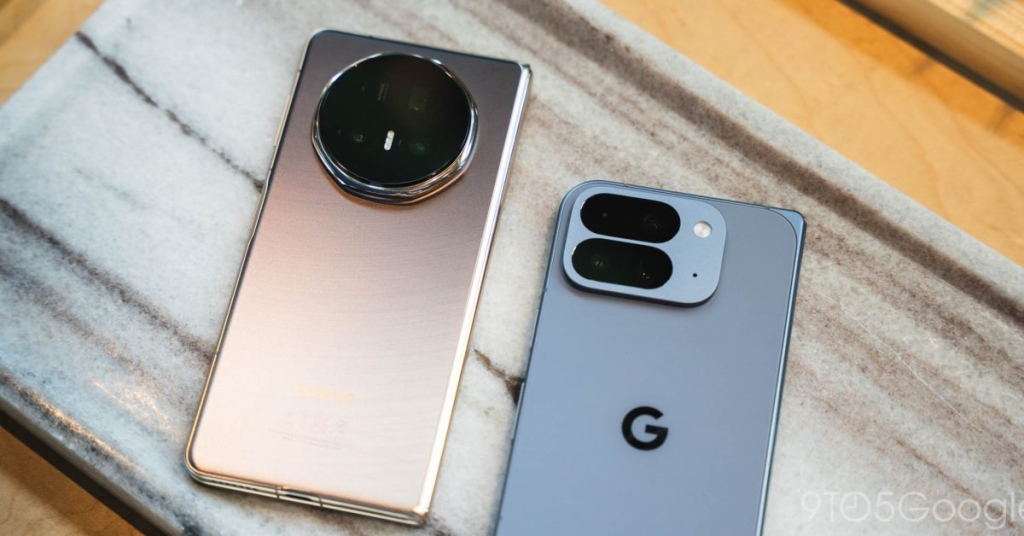
The 2025 Smartphone Market’s Quiet Revolution: How Honor, Nothing, and Google Pixel Are Rewriting the Rules
The global smartphone market closed out 2025 with a surprising 2% growth, defying earlier predictions of stagnation and setting the stage for what industry analysts are calling “the calm before the storm.” As we barrel toward 2026, the landscape is shifting beneath our fingertips, with some unexpected players making serious moves.
The Numbers That Matter
According to a new report from Omdia, the smartphone industry saw modest but meaningful growth in 2025, with Apple and Samsung both expanding by approximately 7%. Apple barely edged out Samsung to claim the world’s largest smartphone brand title, with both giants sitting at 19% market share.
But here’s where things get interesting.
While the usual suspects dominated headlines, it was the challengers who stole the show. Honor emerged as the breakout star, posting an impressive 11% year-over-year growth that catapulted it to 6% global market share. That might not sound earth-shattering, but consider this: Honor achieved this growth at scale, competing directly with established giants rather than carving out niche segments.
“Nothing” (yes, that’s the brand name) took the crown for fastest-growing smartphone brand with a mind-blowing 86% year-over-year increase. Before you dismiss this as statistical noise, remember that exponential growth from a smaller base is exponentially harder to achieve than incremental gains from an already massive market position.
Google Pixel, meanwhile, continued its steady climb with a solid 25% year-over-year growth, proving that the Mountain View giant’s hardware ambitions are more than just a side project.
The Real Story: Honor’s Meteoric Rise
Let’s talk about Honor for a moment, because this is where the narrative gets fascinating. The Chinese manufacturer, spun off from Huawei in 2020 amid US sanctions, has been playing the long game. Their 11% growth isn’t just impressive—it’s transformative.
Honor’s success stems from several strategic moves:
Global Expansion Strategy: While Huawei retreated from many international markets, Honor aggressively pursued opportunities in Europe, Southeast Asia, and the Middle East. They’re not just filling voids left by competitors; they’re actively winning customers with compelling hardware and competitive pricing.
Foldable Focus: Honor has positioned itself as a foldable phone specialist, releasing devices that often undercut Samsung’s offerings while matching or exceeding their specifications. Their Magic V series has become the go-to recommendation for anyone wanting a foldable without the Galaxy premium.
Software Polish: MagicOS, Honor’s Android-based operating system, has evolved from a Huawei clone into something genuinely distinctive, with features that actually enhance rather than complicate the user experience.
Marketing Savvy: Honor has mastered the art of the “premium but attainable” positioning, appealing to consumers who want flagship experiences without the flagship price tags.
The Underdogs Making Waves
Nothing’s 86% growth is the kind of statistic that makes investors salivate and competitors sweat. Founded by Carl Pei, the former OnePlus co-founder, Nothing has injected much-needed personality into the smartphone market.
Their transparent design language, playful marketing, and commitment to creating a cohesive ecosystem (Phone, Ear, and soon, more) have resonated with consumers tired of iterative, indistinguishable flagship releases. Nothing proves that in a market often criticized for homogeneity, standing out still matters.
Google Pixel’s 25% growth might seem modest compared to Nothing’s explosion, but it represents something equally significant: validation. Google is no longer treating Pixel as an experimental side project. The consistent year-over-year improvements in hardware, software integration, and market presence suggest a company finally serious about competing at the highest levels of mobile hardware.
What’s Coming in 2026
The calm before the storm metaphor is particularly apt here. 2025 was about positioning; 2026 looks set to be about execution.
Google Pixel 10a: Scheduled for release later this month, this mid-range offering could be crucial in expanding Pixel’s addressable market. If Google can deliver Pixel 8a-level quality at a more aggressive price point, they could capture significant share in the booming mid-range segment.
Honor’s MWC Unveiling: Mobile World Congress in March will see Honor likely debut their next-generation foldables. Industry chatter suggests improvements in hinge durability, display technology, and perhaps most importantly, pricing strategies that could further pressure Samsung’s dominance in the foldable space.
Nothing’s Phone (4a): With teases of better displays, faster storage, and new colors, Nothing is clearly aiming to build on their momentum. The question is whether they can maintain their growth trajectory as they scale production and face increased scrutiny.
The Memory Shortage Wildcard
Omdia’s report also highlights a looming challenge: memory shortages that could trigger a 7% market contraction in 2026. This isn’t just industry jargon—it means potential price increases, component constraints, and possibly delayed launches across the board.
For Honor, Nothing, and Google Pixel, this presents both a challenge and an opportunity. Established players with deeper pockets might weather the storm more easily, but agile competitors could outmaneuver larger rivals by optimizing supply chains, diversifying component sources, or focusing on models less affected by specific shortages.
The Bigger Picture
What’s happening in the smartphone market reflects broader technological and economic trends. The era of explosive, double-digit annual growth is over, but that doesn’t mean the market is stagnant. Instead, we’re seeing a maturation process where innovation, differentiation, and strategic positioning matter more than raw market expansion.
The success of Honor, Nothing, and Google Pixel suggests that consumers are rewarding brands that offer something different—whether that’s Honor’s aggressive foldable strategy, Nothing’s design-first approach, or Google’s AI integration and software experience.
Looking Ahead
As we move into 2026, the smartphone market appears poised for a fascinating period of disruption. The established duopoly of Apple and Samsung faces pressure from below, not just from traditional competitors like Xiaomi and Oppo, but from brands that are redefining what a smartphone company can be.
The memory shortage might create short-term headwinds, but it could also accelerate innovation in areas like cloud processing, efficient software, and alternative hardware architectures. Brands that can navigate these challenges while maintaining their growth trajectories could emerge as the new leaders of mobile technology.
One thing is certain: the smartphone market’s “calm” period is ending, and the storm brewing on the horizon promises to be anything but boring.
Tags: #SmartphoneMarket #Honor #Nothing #GooglePixel #MobileTechnology #TechNews #MarketGrowth #FoldablePhones #Android #TechInnovation #2025Review #2026Predictions #MobileIndustry #TechTrends #HonorMagic #NothingPhone #PixelDevices #MarketAnalysis #TechDisruption #MobileRevolution
,

Leave a Reply
Want to join the discussion?Feel free to contribute!