
How 1,000+ customer calls shaped a breakout enterprise AI startup
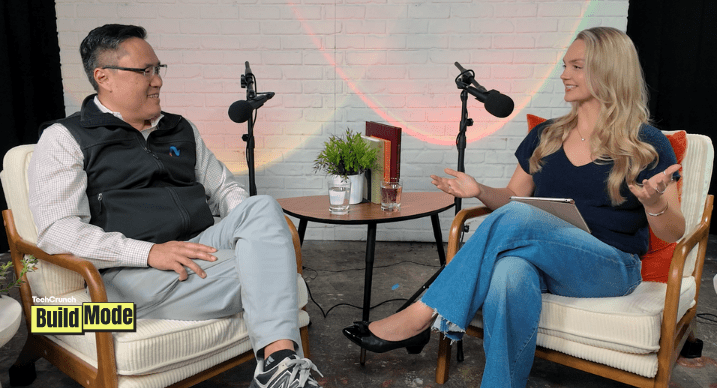
Narada’s Stealth Strategy: How a Veteran Founder Avoided the VC Trap to Build a Real Enterprise AI Powerhouse
TL;DR: Narada, an enterprise AI startup using large action models to automate complex workflows, took a counterintuitive approach to fundraising—waiting until product-market fit was rock-solid before raising capital. Founder David Park, a seasoned entrepreneur with a successful exit under his belt, prioritized 1,000+ customer calls over chasing VC dollars, proving that sometimes the smartest move is to not raise money.
In the high-stakes world of enterprise AI, where startups burn through cash faster than a GPU cluster training a large language model, Narada is playing a different game. Founded by David Park—a veteran entrepreneur who previously built and exited Coverity—Narada is using large action models (LAMs) to automate complex, multistep workflows across enterprise systems. Think of it as giving your enterprise software a brain and a work ethic.
But here’s the twist: when Narada applied for TechCrunch’s Startup Battlefield in 2024, the team had barely raised any funding. In a world where AI startups are raising nine-figure rounds before they’ve even shipped a product, this was… unusual.
“We Didn’t Want to Waste Money on the Wrong Things”
When asked why Narada waited to fundraise, Park’s answer was refreshingly blunt: “We wanted to not waste too much money. Because I do believe that when you have too much money in the bank and you are not near product-market fit, you’re tempted to just spend money on things that actually don’t help you evolve the company in the right way. It removes the friction to do a lot of wrong things.”
This is the kind of hard-earned wisdom that only comes from having been through the startup grinder before. Park knows that too much capital too early can be a curse, not a blessing. It can lead to bloated teams, misguided product decisions, and a false sense of security. Instead, Narada focused on what mattered: talking to customers.
1,000 Customer Calls: The Ultimate MVP
Before writing a single line of code, Park and his co-founders—Stanford and Berkeley alums with deep research and operational chops—made over 1,000 customer calls. They weren’t pitching; they were listening. They wanted to understand the pain points, the workflows, the frustrations that enterprise teams face every day.
“If you want to build a real business, ask the hard questions,” Park advises. “Spend time with customers, and not just in selling, because when you have that contract and that purchase order, that’s just the beginning.”
This customer-first approach paid off. Some of the customers they bootstrapped with early on turned into multimillion-dollar deals. Why? Because they had already chosen Narada and built trust. It’s always easier to sell more to someone who’s already bought in.
The Narada Difference: AI That Works Like a Human
So what exactly is Narada building? At its core, Narada uses large action models to automate complex, multistep workflows across enterprise systems. But it’s not just about automation—it’s about creating an AI that you can talk to like a person and trust to handle multiple steps at once.
Imagine telling your enterprise software, “Hey, pull the quarterly sales report, cross-reference it with customer feedback, and draft a summary for the exec team,” and having it actually do that. That’s the promise of Narada.
Why This Matters
In a tech landscape where flashy demos and hype cycles often overshadow substance, Narada’s approach is a breath of fresh air. They’re not chasing trends; they’re solving real problems. They’re not raising money for the sake of it; they’re building a sustainable, customer-centric business.
As Park puts it, “At the end of the day, no matter how trendy, interesting, or well-received your product is by the industry, if people won’t pay for it, it won’t be a winner.”
The Takeaway
Narada’s story is a masterclass in startup strategy. It’s a reminder that sometimes the best move is to slow down, talk to your customers, and build something they actually want to pay for. It’s a lesson in the power of patience, discipline, and customer obsession.
And if you’re a founder wondering whether to raise money now or later, take a page from Park’s book: focus on product-market fit first. The capital will follow.
Tags: enterprise AI, large action models, startup strategy, fundraising, product-market fit, customer obsession, automation, workflow optimization, veteran founder, bootstrapping, trust, sustainable growth, AI that works, enterprise software, customer-first approach, startup wisdom, counterintuitive strategy, building a real business.
Viral Phrases: “We didn’t want to waste money on the wrong things”, “1,000 customer calls before writing a single line of code”, “AI that you can talk to like a person and trust”, “The smartest move is to not raise money”, “Sometimes the best move is to slow down“, “Building a sustainable, customer-centric business”, “If people won’t pay for it, it won’t be a winner”, “The power of patience, discipline, and customer obsession”.
,


Leave a Reply
Want to join the discussion?Feel free to contribute!