
How AI is turning the Iran conflict into theater
AI-Powered War Dashboards Are Transforming How the World Watches Conflicts—But at What Cost?
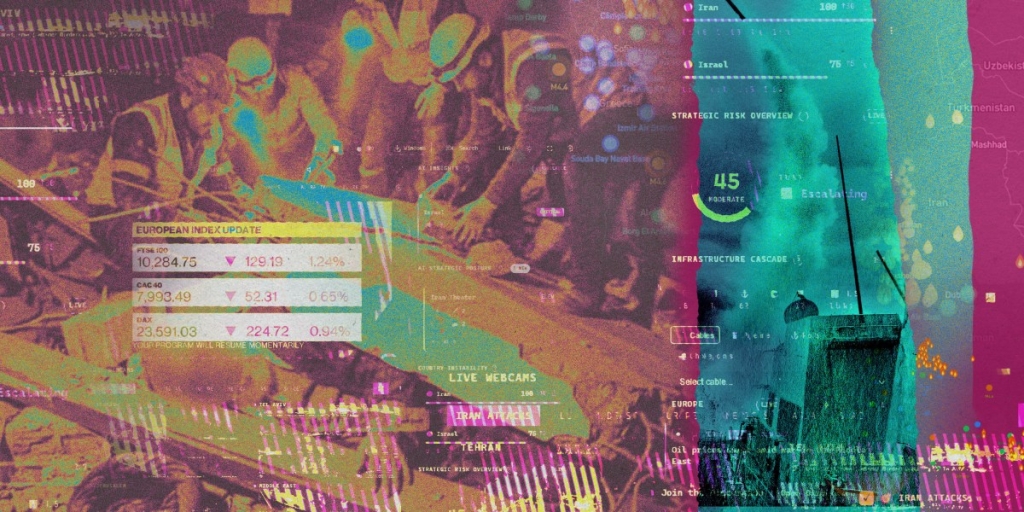
As tensions escalate between the United States and Iran, a new phenomenon is emerging in the digital landscape: real-time intelligence dashboards that blend open-source data, AI analysis, and prediction markets into a single, immersive experience. These platforms, often built in just days using AI coding tools, are reshaping how people consume and interpret information during wartime—sometimes for better, often for worse.
At the heart of this trend is a dashboard created by two individuals from the venture capital firm Andreessen Horowitz. This platform aggregates satellite imagery, ship tracking data, news feeds, and even prediction markets where users can bet on geopolitical outcomes—such as who Iran’s next supreme leader will be. When Mojtaba Khamenei was recently selected, some bettors reportedly cashed in on their predictions. The dashboard also includes a chat function, allowing users to discuss developments in real time.
But this is just one of many similar tools that have proliferated in recent weeks. Journalists and analysts have identified over a dozen such dashboards, many of which were “vibe-coded” using AI tools in a matter of days. One even caught the attention of a Palantir founder, highlighting the growing intersection between private tech innovation and military intelligence.
These dashboards are being marketed as a way to bypass traditional media, which many users perceive as slow or biased. “Just learned more in 30 seconds watching this map than reading or watching any major news network,” one LinkedIn user commented on a visualization of Iran’s airspace being shut down before U.S. strikes. The appeal is clear: real-time, unfiltered data that feels more immediate and authentic than conventional reporting.
However, the rise of these tools is not without controversy. Much of the focus on AI in the Iran conflict has centered on its role in aiding U.S. military decision-making, particularly through models like Anthropic’s Claude. Yet these dashboards represent a different, equally significant development: the democratization of intelligence gathering—and the risks that come with it.
Several factors are driving this trend. First, AI coding tools have lowered the barrier to entry, enabling anyone with basic technical skills to create sophisticated platforms. Second, the proliferation of deepfakes and misinformation has left many craving raw, unfiltered data. Third, real-time prediction markets offer financial incentives for staying informed. Finally, the U.S. military’s use of Claude in the conflict has lent these tools an air of legitimacy, even as Anthropic has been designated a supply chain risk by the Department of Defense.
The result is a new kind of AI-enabled wartime spectacle—one that can distort as much as it clarifies. As a journalist, I see the potential in these tools. They offer a powerful way to visualize complex data, making it accessible to a broader audience. But they also risk turning war into a form of entertainment, with users munching popcorn while placing bets on geopolitical outcomes.
Craig Silverman, a digital investigations expert, warns of the dangers. “The concern is there’s an illusion of being on top of things and being in control, where all you’re really doing is just pulling in a ton of signals and not necessarily understanding what you’re seeing, or being able to pull out true insights from it.” The data may feel raw and authentic, but it’s often uncurated, mixing strike locations with cryptocurrency prices and AI-generated news summaries that can introduce inaccuracies.
In an era where information is both weaponized and commodified, these dashboards represent a double-edged sword. They empower individuals to engage with global events in unprecedented ways, but they also risk creating a feedback loop of misinformation and speculation. As the lines between intelligence, entertainment, and investment blur, the challenge will be to harness the potential of these tools without succumbing to their pitfalls.
Tags & Viral Phrases:
- AI-powered war dashboards
- Real-time intelligence tracking
- Open-source data aggregation
- Prediction markets in geopolitics
- Vibe-coded intelligence tools
- Bypassing traditional media
- AI in military decision-making
- Deepfakes and misinformation
- Democratization of intelligence
- War as entertainment
- Raw data feeds
- Uncurated information
- AI-generated news summaries
- Geopolitical betting
- Supply chain risks in AI
- Digital investigations expert
- Illusion of control
- Feedback loop of misinformation
- Commodification of information
- Double-edged sword of technology
,

Leave a Reply
Want to join the discussion?Feel free to contribute!