
How an 1800s vaccine drive beat smallpox in Denmark in just 7 years
How Copenhagen’s Smallpox Vaccination Blitz of 1808 Offers a Blueprint for Modern Vaccine Uptake
In the early 19th century, Copenhagen faced a deadly scourge: smallpox. The disease had claimed over 12,000 lives in the city over the previous 50 years, leaving survivors scarred, blind, or both. But in a stunning public health victory, the Danish capital eradicated smallpox within just seven years of launching its vaccination campaign—a feat that researchers say holds valuable lessons for today’s vaccine efforts.
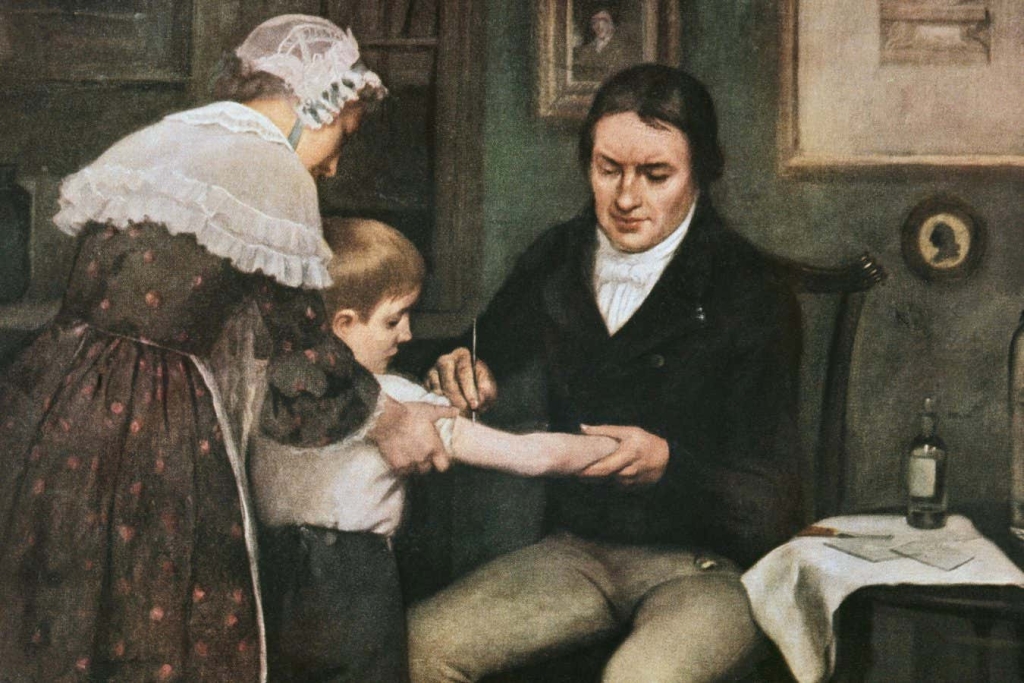
The story begins in 1796, when English physician Edward Jenner pioneered the world’s first vaccine. News of this medical breakthrough quickly reached Denmark’s elite, sparking “excited attention and expectation,” as leading Danish physician Henrich Callisen wrote at the time. Copenhagen’s doctors soon began importing the vaccine from Jenner in England, with the first recipients being the children of a judge and a bishop.
The results were nothing short of astonishing. Vaccinated individuals could share beds with smallpox patients, wear their clothes, or even breastfeed from infected mothers without contracting the disease. This remarkable efficacy, combined with decisive action from Denmark’s leaders, set the stage for one of the most successful vaccination campaigns in history.
In 1801, King Frederick VI established a vaccine commission to oversee the rollout. The commission kept meticulous records, which researchers from Roskilde University in Denmark have now analyzed in detail. By 1810, an impressive 90% of Copenhagen’s children were vaccinated, making Denmark the most vaccinated country per capita in Europe at the time.
So, what made this campaign so successful? Several factors stand out:
-
Accessibility: The vaccine was offered free of charge to those who couldn’t afford it, removing a major barrier to uptake.
-
Community Engagement: Church leaders and schoolteachers joined medical professionals in promoting and administering the vaccine. Some priests even traveled the country, vaccinating thousands of children. One particularly dedicated priest vaccinated 1,981 children in a single year.
-
Policy Measures: As smallpox faded from memory, the commission worried about complacency. In 1810, they made vaccination semi-mandatory by requiring it for children’s church confirmation.
-
Unified Messaging: Denmark’s government, medical establishment, and church presented a united front, instilling widespread trust in the vaccine. As researcher Andreas Eilersen explains, “When they all collaborated like this, it helped convince the broader population that was not part of this elite group to take up the vaccine.”
This trust in public institutions has endured. Today, Denmark ranks number one globally in terms of its population’s trust in public institutions, according to Transparency International. This high level of trust may explain Denmark’s continued success with vaccination. For example, about 96% of Danish children receive vaccines against diphtheria, tetanus, and pertussis, compared to only 80% in the United States.
The Copenhagen smallpox campaign demonstrates that rapid vaccine uptake is possible when accessibility, community engagement, clear policy, and public trust align. As the world continues to grapple with vaccine hesitancy and misinformation, this 19th-century success story offers a timely reminder: when leaders unite and the public believes, even the deadliest diseases can be defeated.
Tags: smallpox, vaccination, public health, vaccine uptake, Denmark, Edward Jenner, historical medical breakthroughs, community engagement, trust in institutions, vaccine hesitancy
Viral Phrases:
- “One of the most successful vaccination campaigns in history”
- “Astonishingly effective”
- “Freed from one of the most terrible and destructive diseases”
- “United front”
- “Trust in public institutions”
- “Blueprint for modern vaccine uptake”
- “Deadly diseases can be defeated”
- “Community engagement is key”
- “Policy measures that work”
- “Historical lessons for today’s challenges”
,


Leave a Reply
Want to join the discussion?Feel free to contribute!