
How do you modernise mango farming?
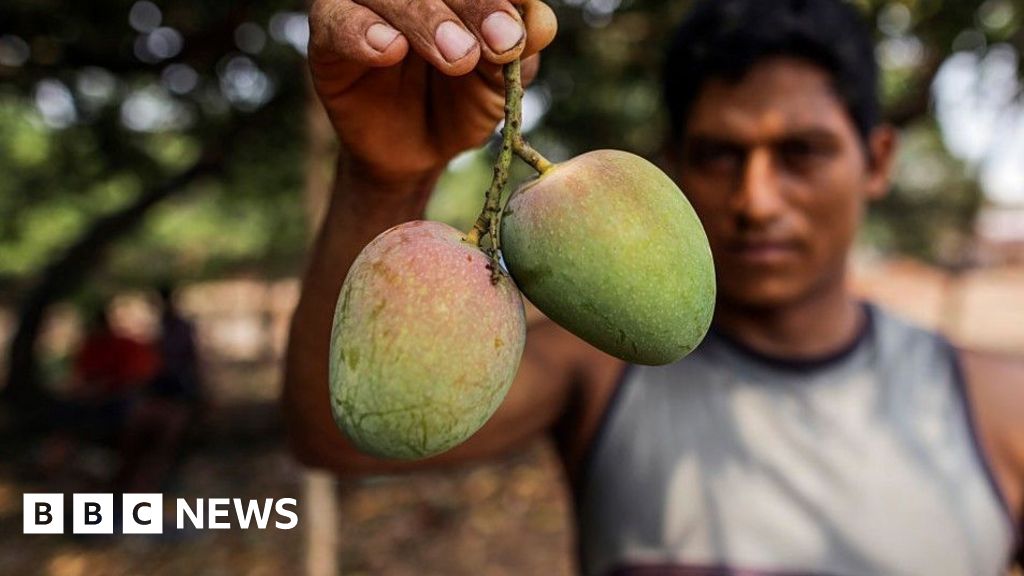
India’s Mango Farmers Face Uncertain Future as Climate Change Disrupts Cultivation
India’s beloved mango industry, a cornerstone of the nation’s agricultural heritage and economy, is confronting an unprecedented challenge as climate change transforms once-predictable growing conditions into a volatile landscape of uncertainty. From the sun-drenched orchards of Uttar Pradesh to the coastal groves of Maharashtra, farmers who have cultivated the “king of fruits” for generations are now being compelled to embrace innovation or risk losing their livelihoods.
The mango sector, which contributes over $1.5 billion annually to India’s economy and supports millions of smallholder farmers, is experiencing dramatic shifts in flowering patterns, pest infestations, and fruit quality. Traditional cultivation calendars that guided planting and harvesting for centuries are becoming obsolete as erratic rainfall, unseasonal heatwaves, and prolonged droughts rewrite the agricultural playbook.
Dr. Ramesh Kumar, agricultural scientist at the Indian Council of Agricultural Research, explains the gravity of the situation: “We’re witnessing a fundamental disruption in mango phenology. Trees that once flowered reliably in February are now blooming as early as December or as late as March. This unpredictability cascades through the entire production cycle, affecting pollination, fruit set, and ultimately yields.”
The crisis manifests in multiple ways across India’s major mango-growing regions. In the fertile plains of Uttar Pradesh, which produces nearly 40% of the nation’s mangoes, farmers report that winter temperatures necessary for proper dormancy are increasingly absent. Without adequate chilling hours, mango trees struggle to break dormancy and flower uniformly, resulting in patchy fruit development and reduced harvests.
Meanwhile, coastal regions face the opposite problem. Rising humidity levels and warmer winters have created ideal conditions for anthracnose and powdery mildew, fungal diseases that can devastate entire orchards. Traditional chemical treatments are proving less effective as pathogens evolve resistance, forcing farmers to seek alternative solutions.
The economic implications extend far beyond individual farms. India exports approximately 50,000 metric tons of mangoes annually, with major markets in the Middle East, Europe, and North America. However, inconsistent quality and supply chain disruptions caused by climate variability are threatening these valuable trade relationships. European buyers, known for their stringent quality standards, have begun sourcing from competitors like Peru and Thailand when Indian supplies prove unreliable.
In response to this mounting crisis, agricultural experts and government agencies are urging farmers to adopt climate-smart agricultural practices. These innovations range from relatively simple interventions to sophisticated technological solutions.
Precision agriculture techniques are gaining traction among progressive farmers. Soil moisture sensors, weather monitoring stations, and drone-based crop surveillance allow growers to make data-driven decisions about irrigation, fertilization, and pest management. While the initial investment can be substantial, early adopters report yield improvements of 15-25% and significant reductions in water usage.
Genetic research offers another avenue for adaptation. Scientists at the National Research Centre for Mango in Lucknow are developing climate-resilient cultivars through selective breeding programs. These new varieties are designed to withstand temperature extremes, require fewer chilling hours, and resist common diseases. Field trials of varieties like ‘Arunika’ and ‘Niranjan’ show promising results, though commercialization remains several years away.
Water management innovations are proving crucial in drought-prone regions. Drip irrigation systems, once considered too expensive for smallholder farmers, are becoming more accessible through government subsidies and cooperative purchasing programs. These systems can reduce water consumption by up to 60% while improving fruit quality through precise nutrient delivery.
Some farmers are experimenting with agroforestry techniques, intercropping mango trees with nitrogen-fixing plants or shade-tolerant crops. This approach not only diversifies income streams but also improves soil health and creates microclimates that buffer trees against temperature extremes.
The transition to sustainable practices extends to post-harvest handling. Solar-powered cold storage facilities are emerging in major growing regions, reducing spoilage and enabling farmers to wait for optimal market conditions. These facilities, often operated by farmer cooperatives, are bridging the gap between harvest and market, adding value to the supply chain.
Government initiatives are providing crucial support for this agricultural transformation. The Ministry of Agriculture’s “Mango Mission” allocates significant funding for climate adaptation research, farmer training programs, and infrastructure development. Recent policy changes have also streamlined export certification processes, helping Indian mangoes maintain their competitive edge in global markets.
However, challenges remain substantial. Many smallholder farmers lack access to credit needed for technological upgrades, while extension services struggle to reach remote rural areas. The knowledge gap between traditional farming methods and modern agricultural science creates resistance to change among older farmers who have relied on inherited wisdom for decades.
International collaboration offers hope for accelerated solutions. Partnerships with agricultural research institutions in Australia, Israel, and Brazil are facilitating knowledge exchange on drought-resistant varieties, efficient irrigation techniques, and integrated pest management strategies. These global networks are proving invaluable as India’s mango farmers navigate uncharted climatic territory.
The human dimension of this agricultural revolution cannot be overlooked. For countless families, mango cultivation represents not just economic sustenance but cultural identity. The sight of mango blossoms heralding spring, the ritual of harvesting with extended families, and the pride in producing fruit renowned worldwide are traditions worth preserving. Innovation, therefore, is not about abandoning heritage but ensuring its survival in a changing world.
As India’s mango farmers stand at this critical juncture, their response to climate challenges will likely serve as a template for other agricultural sectors facing similar disruptions. The integration of traditional knowledge with modern technology, supported by robust policy frameworks and international cooperation, offers a path forward that balances economic viability with environmental sustainability.
The coming years will determine whether India’s mango industry can successfully adapt to climate change while maintaining its position as the world’s largest producer and exporter. For millions of farmers whose futures depend on these golden fruits, innovation is no longer optional—it’s essential for survival.
climate change, mango cultivation, Indian agriculture, sustainable farming, precision agriculture, climate resilience, agricultural innovation, mango exports, smallholder farmers, agroforestry, water management, genetic research, post-harvest technology, agricultural policy, rural development, climate adaptation, mango varieties, drip irrigation, crop diversification, agricultural technology, weather monitoring, pest management, soil health, export markets, farming communities, traditional knowledge, modern agriculture, environmental sustainability, agricultural economics, rural livelihoods, climate-smart agriculture, mango industry, India, farming innovation, agricultural research, sustainable development, crop yields, farming technology, climate crisis, agricultural transformation, global markets, farming practices, rural economy, agricultural sustainability, climate solutions, farming heritage, agricultural adaptation, mango production, farming future
,


Leave a Reply
Want to join the discussion?Feel free to contribute!