
How Each Gulf Country Is Intercepting Iranian Missiles and Drones
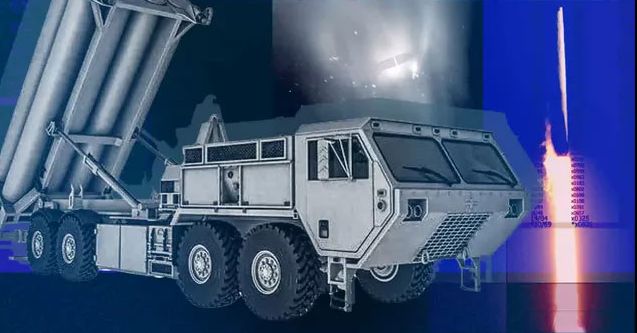
Gulf Skies Ignite: How the UAE and Saudi Arabia Are Battling Iran’s Drone and Missile Onslaught
Over the past week, the night skies above the Gulf have transformed into a high-stakes theater of modern warfare, where streaks of light and sudden flashes have become the new normal. Residents across Dubai, Abu Dhabi, and other major cities have found themselves unwitting spectators to a dramatic aerial ballet—one where advanced missile defense systems clash with waves of Iranian drones and ballistic missiles.
What was once an invisible shield protecting the region’s glittering cities has now been thrust into the spotlight, as social media explodes with videos of missile interceptions lighting up the Arabian nights. But authorities are sounding the alarm: sharing these dramatic clips could compromise sensitive defense operations and reveal critical vulnerabilities.
The escalation traces back to a deadly US-Israeli strike that killed Iranian Supreme Leader Ali Khamenei, prompting Tehran to unleash a barrage of retaliatory attacks across the Gulf. What followed was a relentless assault targeting everything from civilian airports and military installations to the very digital infrastructure that powers the region’s cloud computing backbone.
The UAE’s High-Tech Shield: A Billion-Dollar Defense Network
The United Arab Emirates has transformed itself into a fortress in the sky, investing over a decade in building a sophisticated multi-layered defense system that would make any military strategist proud. At the apex of this defensive pyramid sits the Terminal High Altitude Area Defense (THAAD) system—a Lockheed Martin marvel capable of intercepting ballistic missiles during their final descent using a “hit-to-kill” technology that destroys targets through direct impact rather than explosive warheads.
But THAAD is just the crown jewel. The UAE’s defensive architecture includes Patriot missile batteries from Raytheon, creating overlapping layers of protection that can engage threats at various altitudes. Advanced radar networks provide early warning, detecting launches hundreds of kilometers away and giving operators precious minutes to calculate trajectories and launch interceptors.
The numbers tell a compelling story of both capability and strain. Since the escalation began on February 28, the UAE has detected 196 ballistic missiles heading toward its territory. The defense systems successfully destroyed 181 of them, with 13 falling harmlessly into the sea and only two managing to land inside the country. However, these successful interceptions came at a cost: three fatalities and 78 injuries, mostly from falling debris rather than direct hits.
The attacks have also demonstrated a new frontier in modern warfare—targeting digital infrastructure. Amazon Web Services facilities in both the UAE and Bahrain were directly struck, causing structural damage and power disruptions that highlight how conflicts now extend beyond physical military targets into the realm of cloud computing and data centers.
The Economics of Modern Missile Defense: A Numbers Game
Military experts are beginning to ask uncomfortable questions about the sustainability of this defensive approach. Andreas Krieg, an associate professor at King’s College London, puts it bluntly: “The real story of this escalation is not whether the Gulf can intercept. It is whether it can sustain interception at the tempo these attacks create.”
The math is sobering. Advanced interceptors can cost millions of dollars each, while the drones and missiles they’re designed to stop often cost a fraction of that amount. In a prolonged conflict, the question becomes not just one of technological capability, but of economic endurance. Can a country afford to keep shooting down $50,000 drones with $3 million interceptors?
Krieg emphasizes that modern missile defense is increasingly a contest of endurance rather than pure technology. “Once you get into repeated raids, mixed salvos, and long-duration drone pressure, the limiting factor becomes magazine depth, resupply speed, and the economics of using very expensive interceptors against cheap, persistent threats,” he explains.
Saudi Arabia: The Region’s Air Defense Powerhouse
While the UAE has garnered much attention for its sophisticated defenses, Saudi Arabia operates one of the largest and most battle-tested air defense networks in the Middle East. The kingdom’s experience defending against years of missile and drone attacks targeting its cities and energy infrastructure has created a robust defensive system.
Saudi Arabia relies heavily on the Patriot missile defense system, supported by extensive radar networks and additional air defense assets designed to protect major population centers and critical oil facilities. The kingdom also operates the PAC-3 MSE interceptor, an advanced Patriot missile developed by Lockheed Martin specifically designed to destroy incoming ballistic missiles through direct impact.
The Saudi experience offers valuable lessons about the realities of sustained missile defense operations. Years of defending against Houthi rebel attacks from Yemen have provided real-world testing of these systems under continuous pressure, revealing both their capabilities and their limitations.
The Human Element: Life Under the Shield
Beyond the technical specifications and interception statistics lies a more human story. For Gulf residents, the once-reliable nighttime sky has become a source of anxiety and fascination. The sight of missile interceptions—once the domain of military personnel—has become a shared experience across social media platforms, creating a new kind of collective trauma and resilience.
Authorities’ warnings against sharing footage online reflect a growing recognition that in the age of smartphones and social media, information itself has become a weapon. Videos that might seem like harmless documentation could provide valuable intelligence to adversaries about the timing, location, and effectiveness of defensive responses.
Looking Forward: The Future of Gulf Security
As the conflict continues to evolve, several trends are becoming clear. First, the Gulf states’ investment in advanced missile defense systems has proven largely effective at protecting major population centers and critical infrastructure. However, the economic sustainability of this approach remains questionable in the face of sustained, low-cost attacks.
Second, the targeting of digital infrastructure represents a new frontier in modern warfare, one that extends conflicts beyond traditional military targets into the economic and technological foundations of modern societies.
Finally, the visibility of these defensive operations—whether through social media videos or official statements—has created a new dynamic where military capabilities that were once hidden are now part of the public consciousness, potentially influencing both regional stability and investment decisions.
Tags & Viral Phrases:
- Gulf missile defense goes viral
- UAE intercepts 181 missiles in epic showdown
- Night skies light up with missile interceptions
- Drone warfare economics: cheap vs. expensive
- Cloud computing under attack
- THAAD vs. Iranian drones
- Patriot systems battle test
- Missile defense magazine depth crisis
- Social media missile footage ban
- Digital infrastructure becomes military target
- Gulf states running out of interceptors?
- Modern warfare’s new frontier
- UAE’s billion-dollar sky shield
- Saudi Arabia’s battle-tested defenses
- Hit-to-kill technology explained
- Missile interception economics
- Repeated raids strain Gulf defenses
- Military capabilities go public
- Information as weapon in modern conflict
- Endurance vs. technology in missile defense
,


Leave a Reply
Want to join the discussion?Feel free to contribute!