
How Fast Can You Drive With Snow Chains?
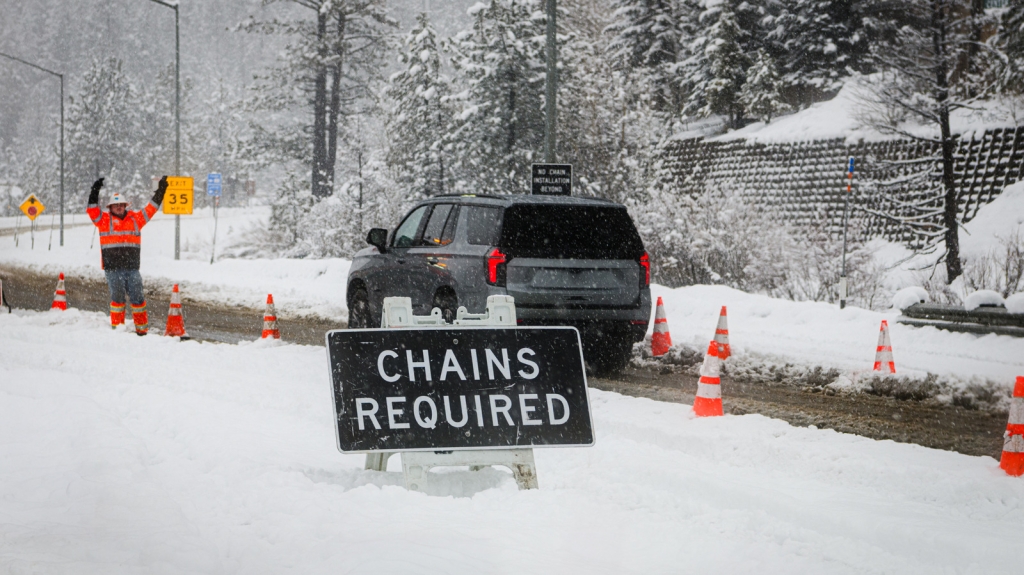
How Fast Can You Drive With Snow Chains? The Essential Guide to Safe Winter Driving
When winter blankets the roads with snow and ice, drivers in cold climates face a critical question: how fast is safe with snow chains? The answer isn’t just about speed limits—it’s about survival on treacherous roads.
The 30 MPH Rule: More Than Just a Suggestion
Most snow chain manufacturers explicitly recommend a maximum speed of 30 miles per hour when driving with chains installed. This isn’t arbitrary—it’s a hard safety boundary. Exceeding this limit dramatically increases the risk of chain failure, which can cause catastrophic damage to your vehicle’s wheel wells, fenders, and undercarriage.
Some states take an even more conservative approach. California, for instance, enforces 25 mph limits on certain stretches of road, while the official Big Bear Lake Visitor Center website suggests drivers maintain speeds as low as 20 mph in severe conditions. These varying limits highlight why you must stay vigilant for posted signs—local regulations can differ dramatically from general recommendations.
The Physics of Chain Failure
Why such low speeds? At higher velocities, the centrifugal force acting on snow chains increases exponentially. This force can cause chains to loosen, break, or even fly off entirely. A chain breaking at 40 or 50 mph doesn’t just mean you lose traction—it means you potentially have a heavy metal projectile spinning at high speed near your vehicle’s body panels and suspension components.
State-by-State: A Patchwork of Regulations
Snow chain laws form a complex patchwork across the United States. Some states like Delaware, Illinois, Michigan, and Rhode Island have general statutes allowing chains “when required for safety due to snow, rain, or other slippery conditions.” These broad laws give drivers flexibility but require good judgment.
Other states provide detailed frameworks. California, Colorado, Ohio, and Massachusetts specify exact timeframes when chains are mandatory and outline specific road segments requiring their use. Meanwhile, Florida, Hawaii, Missouri, and Vermont take a hands-off approach, leaving the decision entirely to drivers’ discretion.
This regulatory diversity means a chain-legal setup in one state might violate local ordinances just a few miles down the road. Always check with your state’s transportation department before traveling in winter conditions.
Installation: The Foundation of Safe Chain Use
Proper installation proves just as critical as speed management. After wrestling those cold, wet chains onto your tires—a process that inevitably leaves you soaked and frustrated—take a moment to drive approximately 100 feet before settling into your journey. This short distance allows the chains to settle and seat properly against the tire tread.
During this initial test drive, stop safely and reinspect the chains. Check for loose connections, ensure they’re centered on the tire, and verify that no part is rubbing against the vehicle’s body or suspension components. A few minutes of inspection can prevent hours of roadside trouble.
The Forbidden Zone: Dry Pavement
One of the most common and damaging mistakes drivers make is operating on dry pavement with snow chains installed. This practice accelerates chain wear dramatically and can damage both the chains and road surfaces. The metal links create excessive friction against bare asphalt, generating heat that weakens the chain links and can cause them to snap.
If you encounter a section of cleared road or reach lower elevations where snow has melted, remove your chains promptly. Many experienced winter drivers carry a tarp or plastic sheet to lie on while removing chains roadside—a small comfort that makes a miserable task slightly more bearable.
Road Hazards: Potholes and Beyond
Snow-covered roads hide numerous hazards, with potholes being among the most dangerous for chain-equipped vehicles. The impact from hitting a pothole can:
- Loosen chain connections
- Bend or break chain links
- Cause chains to shift position on the tire
- Create enough force to snap chains entirely
When driving with chains, maintain extra following distance and scan the road surface ahead. If you must drive through a pothole, slow down significantly beforehand to minimize impact forces.
The Art of Smooth Winter Driving
Driving with snow chains requires a complete recalibration of your driving technique. Every input—acceleration, braking, and steering—must be deliberate and smooth.
Acceleration should be gentle and progressive. Sudden throttle application can cause wheel spin, even with chains, placing enormous stress on the chain links and potentially causing them to break. Think of acceleration as a gradual pressure increase rather than a command.
Braking requires even more attention. Locked wheels eliminate the benefits of chains entirely, turning your vehicle into an uncontrolled sled. Apply brakes early and progressively, using gentle pressure to maintain steering control while slowing the vehicle.
Steering should be smooth and anticipatory. Quick, sharp turns can cause the vehicle to slide sideways, creating lateral forces that chains aren’t designed to handle. Make your turns gradually, and avoid sudden lane changes or evasive maneuvers.
Beyond Chains: The Complete Winter Safety Picture
While proper chain use is crucial, it represents just one component of winter driving safety. Many drivers make the mistake of believing chains alone make them invincible on snow and ice. The reality is more nuanced.
Your tires remain the primary contact point with the road surface. Winter tires, with their specialized rubber compounds and tread patterns, provide superior traction even without chains in many conditions. Consider chains as a supplement to, not a replacement for, proper winter tires.
Other critical winter preparations include:
- Ensuring your vehicle’s antifreeze is at proper strength
- Checking battery health (cold weather reduces battery capacity)
- Verifying that all lights function properly
- Packing an emergency kit with blankets, food, water, and a shovel
- Keeping your fuel tank at least half full to prevent fuel line freezing
The Psychology of Winter Driving
Perhaps the most overlooked aspect of safe winter driving is mental preparation. Driving with snow chains requires patience, focus, and a willingness to accept slower travel times. The frustration of moving at 20-30 mph when you’re accustomed to highway speeds can lead to poor decision-making.
Accept that winter travel inherently takes longer. Leave extra time for your journey, and if conditions deteriorate, don’t hesitate to pull over and wait for improvements. No appointment is worth risking your life or the lives of others on the road.
Local Knowledge: Your Best Resource
State laws provide the framework, but local conditions often dictate the reality on the ground. Mountain passes, for instance, might require chains even when surrounding areas don’t. Coastal regions might experience rapid freeze-thaw cycles that create particularly treacherous black ice.
Before any winter journey, contact local transportation departments or check their websites for current conditions and requirements. Many states maintain dedicated winter driving hotlines or social media feeds providing real-time updates on chain requirements, road closures, and weather conditions.
The Bottom Line: Safety Over Speed
The question “how fast can you drive with snow chains?” ultimately has a simple answer: as slow as necessary to maintain control. The 30 mph guideline serves as a maximum, not a target. In severe conditions, 15-20 mph might be more appropriate.
Remember that snow chains are a tool for maintaining traction, not a license for normal-speed driving on snow-covered roads. They provide additional grip, but physics still applies—your vehicle’s mass, momentum, and the coefficient of friction between tires and road surface determine your stopping distance and cornering ability.
When in doubt, err on the side of caution. The few minutes you might save by driving faster aren’t worth the risk of an accident, vehicle damage, or worse. Winter driving demands respect, preparation, and patience. Master these elements, and you’ll arrive at your destination safely, ready to enjoy whatever winter activities await.
Tags:
WinterDriving #SnowChains #WinterSafety #SafeWinterTravel #WinterRoadSafety #DrivingInSnow #WinterDrivingTips #ChainLaws #WinterCarCare #SafeWinterDriving #WinterTravel #SnowDriving #WinterWeather #RoadSafety #WinterDrivingGuide
Viral Sentences:
“Going 40 in chains? That’s how you turn your car into a metal tornado.”
“Snow chains aren’t a superpower—they’re a safety net. Use them wisely.”
“The difference between adventure and accident is often just 10 mph in winter.”
“Winter driving isn’t about speed—it’s about survival.”
“Those 5 minutes you’ll save speeding? Not worth the tow truck bill.”
“Chains on dry pavement: the fastest way to destroy $200 worth of equipment.”
“Winter’s coming. Are your chains ready, or are you just winging it?”
“Driving in snow without proper preparation? That’s not confidence—that’s gambling.”
“The road doesn’t care how late you are. Drive accordingly.”
“Snow chains: because sliding into a ditch isn’t on anyone’s winter bucket list.”
,

Leave a Reply
Want to join the discussion?Feel free to contribute!