
How iPhones Made a Surprising Comeback in China
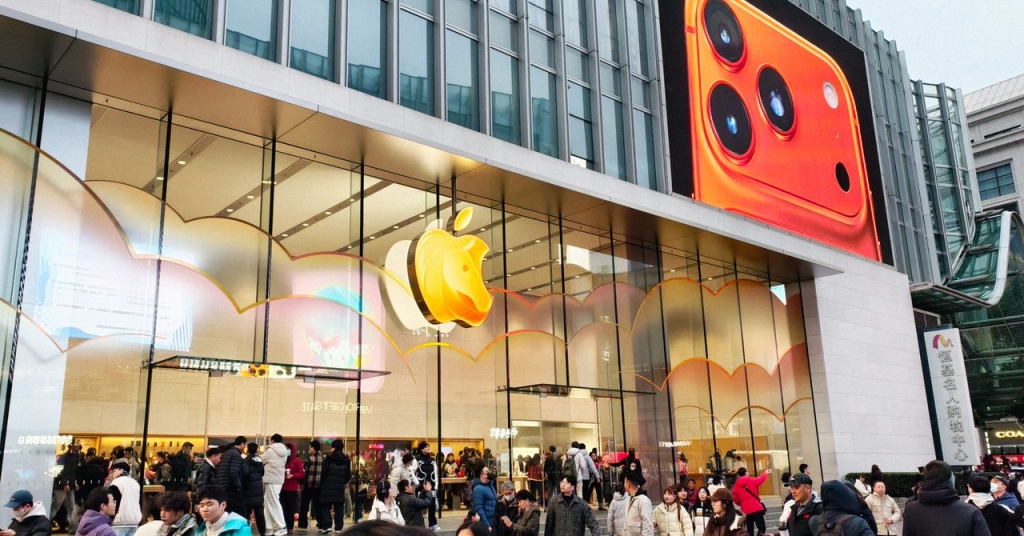
Apple’s Stunning Comeback in China: How the iPhone 17 Defied the Odds
In a dramatic reversal of fortune that has sent shockwaves through the global tech industry, Apple has staged a remarkable resurgence in China’s fiercely competitive smartphone market. The Cupertino giant’s latest earnings report revealed a staggering 38 percent year-over-year revenue increase from China in the most recent quarter, marking a spectacular turnaround after 18 consecutive months of declining sales between 2024 and early 2025.
During the earnings call, CEO Tim Cook couldn’t contain his enthusiasm, declaring it “a great quarter in China” and noting that Apple had set new records for iPhone upgrades among Chinese customers, with double-digit growth in users switching from other operating systems to iOS. “We could not be happier with it,” Cook stated, his typically measured tone betraying rare excitement about the company’s performance in the world’s largest smartphone market.
This resurgence is particularly noteworthy given the formidable challenges Apple faced in recent years. Local Chinese brands like Huawei and Xiaomi had been steadily eroding Apple’s market share by launching premium devices packed with cutting-edge features that directly challenged the iPhone’s dominance. Huawei, in particular, had captured global attention when it unveiled a $2,800 trifold smartphone in September 2024—a technological marvel that arrived long before competitors could match its innovative design.
What makes Apple’s comeback even more intriguing is the strategy behind it. Rather than attempting to out-innovate Chinese competitors with flashier technology, Apple took a different approach: releasing a new iPhone that combined powerful performance with competitive pricing. Despite the existence of devices from local brands boasting technically superior cameras and more sophisticated artificial intelligence capabilities—Apple Intelligence remains unavailable in mainland China—Chinese consumers overwhelmingly chose Apple’s iPhone 17 lineup.
“It’s a good story if you’re Apple. It’s the same old story if you’re not Apple,” observed Gerrit Schneemann, senior analyst at Counterpoint, a global technology research firm. This sentiment captures the essence of Apple’s enduring appeal in China: while technical specifications matter, the company’s brand power and design philosophy continue to resonate deeply with Chinese consumers.
The iPhone 17’s success can be attributed to several strategic factors. First, Apple made the baseline iPhone 17 a significantly more compelling upgrade than usual. Historically, early adopters have favored the higher-end Pro and Pro Max models, but in 2025, the standard iPhone 17 represented a substantial leap forward from the iPhone 16. It incorporated features traditionally reserved for the Pro series, creating a more attractive value proposition that encouraged users to upgrade sooner than they might have otherwise.
Timing played a crucial role as well. The iPhone 17 launch coincided with a massive electronics subsidy program initiated by the Chinese government to stimulate economic growth. Beijing allocated approximately $43 billion in 2025 to subsidize domestic purchases of electronics, appliances, and automobiles. Smartphones priced below 6,000 RMB (roughly $860) qualified for discounts of up to 15 percent. Apple strategically priced the iPhone 17 at 5,999 RMB, ensuring it fell within the subsidy threshold and making it particularly attractive to price-sensitive consumers.
Arthur Guo, research manager at IDC’s Beijing office, points out that Apple’s timing was fortuitous. “Apple’s last peak sales period came with the iPhone 13 series, and after a span of three to four years, its existing users have gradually entered the upgrade cycle this year.” This natural upgrade cycle, combined with the government subsidy and the iPhone 17’s compelling features, created perfect conditions for Apple’s resurgence.
It’s important to note that Apple’s success doesn’t necessarily indicate weakness among Chinese competitors. Domestic brands have also experienced significant growth, with flagship models from Xiaomi, Vivo, and Oppo performing exceptionally well. “Expensive flagship models from brands like Xiaomi, Vivo, and Oppo have remained strong across the board—with even more notable growth recorded for the higher-priced Pro/Pro Max variants,” Guo notes.
The iPhone 17’s triumph in China demonstrates that in the world’s most competitive smartphone market, brand strength, strategic pricing, and timing can be just as powerful as cutting-edge technology. Apple’s ability to read the market, adapt its strategy, and deliver a product that resonates with Chinese consumers—even without Apple Intelligence—speaks volumes about the company’s understanding of its audience and its enduring global appeal.
As the smartphone market continues to evolve, Apple’s Chinese comeback serves as a masterclass in strategic adaptation. Rather than engaging in a purely technological arms race, Apple leveraged its brand equity, understood local market dynamics, and delivered a product that met consumers where they were. The result is a remarkable turnaround story that has competitors taking notice and analysts rethinking assumptions about what drives success in China’s smartphone market.
Tags: Apple, iPhone 17, China market, smartphone sales, Tim Cook, Huawei competition, Xiaomi, government subsidies, tech comeback, iOS upgrades, market share, electronics subsidies, Apple Intelligence, iPhone 16, Pro series, brand power, Chinese consumers, market analysis, Counterpoint, IDC, smartphone innovation, pricing strategy, upgrade cycle, flagship phones, Vivo, Oppo, technological arms race, Cupertino giant, earnings report, revenue growth, market dynamics
Viral Sentences:
Apple’s Chinese comeback proves brand power still trumps technical specs in the world’s largest smartphone market. The iPhone 17 didn’t need to be the most advanced phone—it just needed to be the right phone at the right price. While Huawei was busy wowing the world with $2,800 trifold screens, Apple quietly reclaimed its throne in China with strategic brilliance. Apple’s 38% revenue surge in China is the comeback story tech giants dream about but rarely achieve. The iPhone 17’s success reveals a fundamental truth: Chinese consumers value Apple’s ecosystem more than marginal camera improvements. Apple didn’t out-innovate its Chinese rivals—it out-strategized them, and the results speak for themselves. The government subsidy program that helped Apple? That’s the kind of luck that happens when preparation meets opportunity. After 18 months of decline, Apple’s Chinese sales explosion proves that in tech, momentum can reverse faster than you think. The baseline iPhone 17 became Apple’s secret weapon by offering Pro-level features at a mainstream price point. Apple’s Chinese resurgence isn’t just a business story—it’s a masterclass in understanding local market dynamics and consumer psychology.
,

Leave a Reply
Want to join the discussion?Feel free to contribute!