
How Samsung’s smart glasses will work with your Galaxy – here’s everything we know
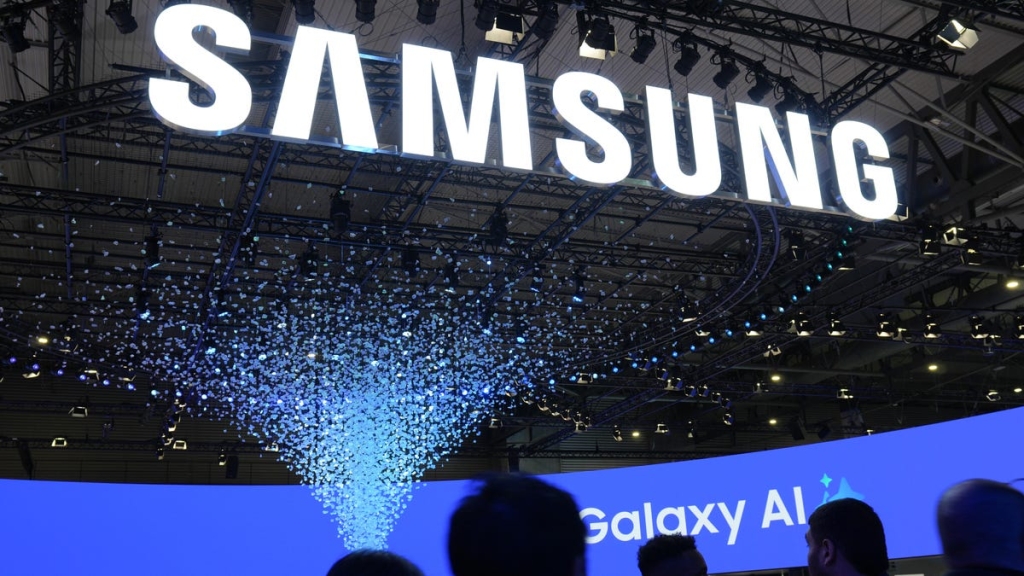
Samsung’s AI Smart Glasses: A Glimpse into the Future of Wearable Tech
Samsung is officially stepping into the smart glasses arena, and the tech world is buzzing with anticipation. During a recent interview with CNBC at MWC Barcelona, Samsung’s Executive Vice President of Mobile Business, Jay Kim, unveiled the first official details about the company’s highly anticipated AI-powered smart glasses. Set to launch later this year, these glasses represent Samsung’s bold entry into a market that’s rapidly evolving, driven by advancements in artificial intelligence and augmented reality.
A New Era of AI-Driven Wearables
Samsung’s approach to smart glasses is both innovative and strategic. Unlike standalone devices, these glasses are designed to be a seamless extension of your smartphone, particularly within the Galaxy ecosystem. The glasses will feature an eye-level built-in camera, allowing them to capture and process visual information in real-time. However, the heavy lifting—such as data processing and AI computations—will be handled by your connected smartphone.
This design philosophy positions the glasses as a “gateway for AI,” enabling users to interact with their surroundings in entirely new ways. Whether it’s recognizing objects, translating text, or providing contextual information, the glasses aim to enhance everyday experiences without overwhelming the user with standalone functionality.
Samsung’s Strategic Vision
Samsung’s entry into the smart glasses market comes at a time when the industry is experiencing rapid growth. Companies like Xreal and Meta have already established themselves as key players, offering glasses with built-in AI, phone integration, and augmented reality features. However, Samsung’s approach is distinct: by leveraging its existing Galaxy ecosystem, the company aims to create a more integrated and user-friendly experience.
Jay Kim emphasized that Samsung is not just following trends but is focused on creating a product that aligns with its vision for the future of AI. “Everybody talks about what the next AI device is,” Kim said, “and I think the XR on headset will sort of be around. But not as a sort of mass scale business.” This statement underscores Samsung’s belief that smart glasses, rather than bulky headsets, represent the future of wearable AI technology.
What to Expect from Samsung’s Smart Glasses
While Samsung has been tight-lipped about certain features, rumors and industry insights provide a glimpse into what users can expect. The glasses are unlikely to feature a built-in display, instead relying on integration with Samsung’s Galaxy smartphones and smartwatches for visual feedback. This approach not only keeps the glasses lightweight and affordable but also ensures a seamless user experience within the Galaxy ecosystem.
The glasses are expected to excel in AI-driven functionalities, such as real-time object recognition, contextual information overlays, and enhanced camera capabilities. For instance, users might be able to point their glasses at a restaurant and instantly receive reviews, menus, or even make reservations—all processed through their connected smartphone.
A Competitive Landscape
Samsung’s entry into the smart glasses market places it in direct competition with established players like Meta and emerging innovators like Xreal. Meta’s Ray-Ban smart glasses, for example, have gained popularity for their sleek design and AI-powered features, such as voice assistants and real-time translation. Similarly, Xreal’s glasses have been praised for their affordability and augmented reality capabilities.
However, Samsung’s strength lies in its ability to integrate hardware, software, and services seamlessly. By leveraging its Galaxy ecosystem, Samsung can offer a more cohesive and intuitive experience, potentially setting its smart glasses apart from the competition.
The Road Ahead
As the launch date approaches, excitement continues to build around Samsung’s AI smart glasses. While details remain scarce, the company’s focus on AI-driven functionality, smartphone integration, and user-centric design suggests that these glasses could redefine the smart glasses market.
For Samsung, this is more than just a new product launch—it’s a statement of intent. By entering the smart glasses arena, Samsung is positioning itself as a leader in the next wave of wearable technology, where AI and augmented reality converge to create smarter, more intuitive devices.
As we look ahead to 2026, one thing is clear: Samsung’s AI smart glasses are poised to be a game-changer, offering users a glimpse into a future where technology seamlessly integrates with everyday life. Whether you’re a tech enthusiast, a Galaxy user, or simply curious about the future of wearables, Samsung’s smart glasses are definitely worth keeping an eye on.
Tags: Samsung, AI smart glasses, MWC 2026, wearable technology, Galaxy ecosystem, augmented reality, smart glasses, Jay Kim, Meta, Xreal, smartphone integration, artificial intelligence, XR headset, tech innovation, future of wearables
Viral Sentences:
- “Samsung’s AI smart glasses are set to revolutionize the way we interact with the world around us.”
- “The future of wearable tech is here, and it’s powered by Samsung’s cutting-edge AI.”
- “Samsung’s smart glasses: A gateway to a smarter, more connected future.”
- “Forget standalone devices—Samsung’s glasses are all about seamless integration.”
- “The race for smart glasses supremacy just got a new contender: Samsung.”
- “Samsung’s AI smart glasses: Where innovation meets everyday convenience.”
- “2026 is the year Samsung redefines wearable technology.”
- “Samsung’s smart glasses are not just a product—they’re a vision for the future.”
,


Leave a Reply
Want to join the discussion?Feel free to contribute!