
How the smartphone industry can build trust in refurbished devices
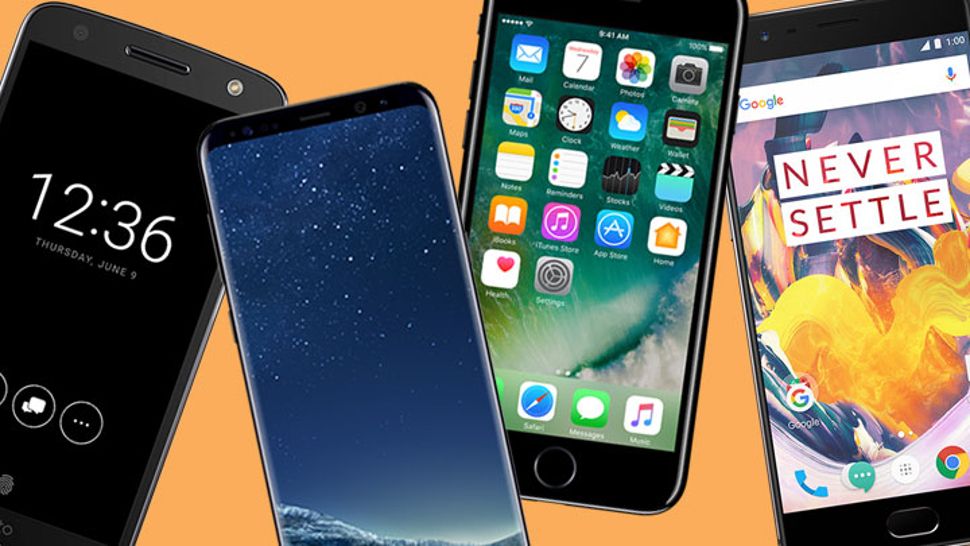
Refurbished Phones: The Untapped Market That Could Change the Tech Industry
The Growing Demand for Pre-Owned Smartphones
The smartphone industry is experiencing a fascinating shift as consumers increasingly turn to refurbished devices, creating what experts call a “circular economy” revolution. Recent data from CCS Insight reveals that the organized secondhand smartphone market grew an impressive 5% in 2025, significantly outpacing the growth of new device sales. Yet despite this momentum, refurbished units still represent less than 10% of all smartphones sold globally, indicating a massive untapped potential.
This disparity suggests that millions of perfectly functional devices are sitting unused in drawers and storage spaces worldwide, missing their opportunity for a second life. As environmental concerns mount and consumers seek more affordable technology options, the refurbished phone market stands at a critical inflection point.
Breaking Down Consumer Barriers
At Mobile World Congress 2026, the “Would You Buy a Used Phone? How to Build Consumer Confidence in Refurbished Devices” panel tackled the central challenge facing this market: the significant gap between consumer interest and actual purchasing behavior. While many consumers express openness to refurbished devices, several persistent concerns continue to limit adoption.
The primary barriers include uncertainty about device quality, battery performance anxiety, and doubts about after-sales support reliability. These concerns create a psychological barrier that prevents many potential buyers from taking the refurbished phone plunge, even when the financial and environmental benefits are clear.
Technology Meets Regulation: Reshaping the Secondhand Sector
The refurbished phone industry is undergoing a technological transformation that promises to address many of these consumer concerns. Advanced AI-driven diagnostics and grading tools are dramatically improving the speed and accuracy of refurbishment processes, making it possible to assess device condition with unprecedented precision.
Simultaneously, digital product passports are emerging as a game-changing innovation, providing transparent documentation of a device’s history, condition, and refurbishment process. These digital records give buyers confidence by offering verifiable information about what they’re purchasing.
Regulatory developments are also playing a crucial role in this transformation. Eco-design regulations are increasingly supporting circular economy strategies, encouraging manufacturers and service providers to design products with longer lifecycles and easier refurbishment in mind. This regulatory push is creating a more favorable environment for the refurbished phone market to thrive.
The Youth Factor: Gen Z Drives Refurbished Adoption
Perhaps the most promising development in the refurbished phone market is the changing attitudes among younger consumers. Generation Z and younger millennials show remarkable acceptance of refurbished devices, with significantly less stigma attached to buying secondhand technology compared to previous generations.
This generational shift mirrors broader changes in consumer behavior, where platforms like Vinted have normalized secondhand shopping across multiple categories. For these younger consumers, the appeal of refurbished phones extends beyond just cost savings – it represents a more sustainable and socially conscious approach to technology consumption.
Expert Insights: The Path Forward
To gain deeper insights into this evolving market, I spoke with Rebekah Griffiths, VP of Product Management and Strategy at Assurant, who participated in the MWC panel discussion. Her perspective sheds light on why so many smartphones never return to the market and what the industry can learn from more mature secondhand markets.
The Supply-Demand Equation
When asked about the disparity between smartphone sales and refurbishment rates, Griffiths emphasized that the issue isn’t primarily about demand. “Most smartphones don’t stop working before their end of life – but many simply stop being used,” she explained. The problem lies in the disconnect between device availability and consumer willingness to participate in refurbishment programs.
Griffiths identified timing and friction as the key obstacles. When trading in a phone feels confusing, inconvenient, or risky – particularly regarding personal data security – consumers tend to delay or avoid the process entirely. “The biggest unlock is making device return simple, secure, and built directly into the upgrade experience,” she noted.
Learning from the Automotive Industry
The comparison between refurbished phones and used cars provides valuable insights for the mobile industry. Griffiths pointed out that the used car market has successfully addressed consumer concerns through standardized inspection processes, transparent grading systems, warranties, and consumer protections.
“The lesson from cars is that people aren’t put off by ‘used’ – they’re put off by uncertainty,” Griffiths explained. As the refurbished phone market develops similar standards for battery health assessment, cosmetic grading, and warranty coverage, consumer confidence is likely to increase substantially.
The Magic Wand Scenario
When asked what she would change if given a “magic wand” to transform the market, Griffiths emphasized the importance of making device returns as easy as purchases. She advocated for trade-in programs that are seamlessly integrated into the upgrade experience, with clear value propositions and robust data security assurances.
Manufacturer Perspectives: Beyond the Bottom Line
A critical question facing the refurbished market concerns manufacturer attitudes. Some industry observers suggest that major manufacturers may view refurbished goods as inherently detrimental to their business models. However, Griffiths offered a more nuanced perspective.
“Refurbished devices are integral for a more sustainable ecosystem,” she stated. Rather than viewing refurbished phones as competition to new device sales, forward-thinking manufacturers are beginning to see them as part of a circular approach that extends the overall value of product lifecycles.
This perspective recognizes that refurbished devices can actually support brand loyalty by keeping consumers within the ecosystem through affordable upgrade paths. Additionally, refurbished phones can reach price-sensitive customers who might never purchase new flagship devices, expanding market reach rather than cannibalizing it.
The Road Ahead: Building a Mature Market
The refurbished phone industry stands at a pivotal moment. While significant challenges remain, the convergence of technological advancement, regulatory support, changing consumer attitudes, and industry maturation suggests a promising future for pre-owned devices.
The key to unlocking this potential lies in addressing the fundamental issues of trust, convenience, and transparency. As refurbishment processes become more standardized, grading systems more consistent, and warranty protections more robust, consumer confidence will likely grow.
Tags & Viral Phrases
- Refurbished phones revolution
- Circular economy tech
- Sustainable smartphones
- Secondhand tech boom
- Refurbished phone market growth
- Phone refurbishment technology
- Eco-friendly mobile devices
- Affordable tech solutions
- Used phone confidence
- Phone trade-in programs
- Digital product passports
- AI diagnostics refurbishment
- Gen Z tech preferences
- Sustainable technology choices
- Phone lifecycle extension
- Refurbished vs new phones
- Mobile sustainability trends
- Tech circular economy
- Phone refurbishment standards
- Environmental tech impact
- Affordable smartphone options
- Refurbished phone warranties
- Mobile device recycling
- Tech industry transformation
- Sustainable consumer electronics
- Phone upgrade programs
- Refurbished phone benefits
- Mobile technology evolution
- Eco-conscious tech buyers
- Phone refurbishment future
- Sustainable mobile industry
- Refurbished phone adoption
- Technology lifecycle management
- Mobile device sustainability
- Refurbished phone confidence
- Phone refurbishment innovation
- Sustainable tech solutions
- Mobile industry disruption
- Refurbished phone trends
- Tech sustainability movement
- Phone refurbishment growth
- Environmental mobile tech
- Refurbished device market
- Sustainable smartphone choices
- Mobile technology recycling
- Refurbished phone ecosystem
- Tech industry sustainability
- Phone refurbishment standards
- Sustainable mobile future
- Refurbished phone revolution
,

Leave a Reply
Want to join the discussion?Feel free to contribute!