
How to fix a gas stove that won’t light
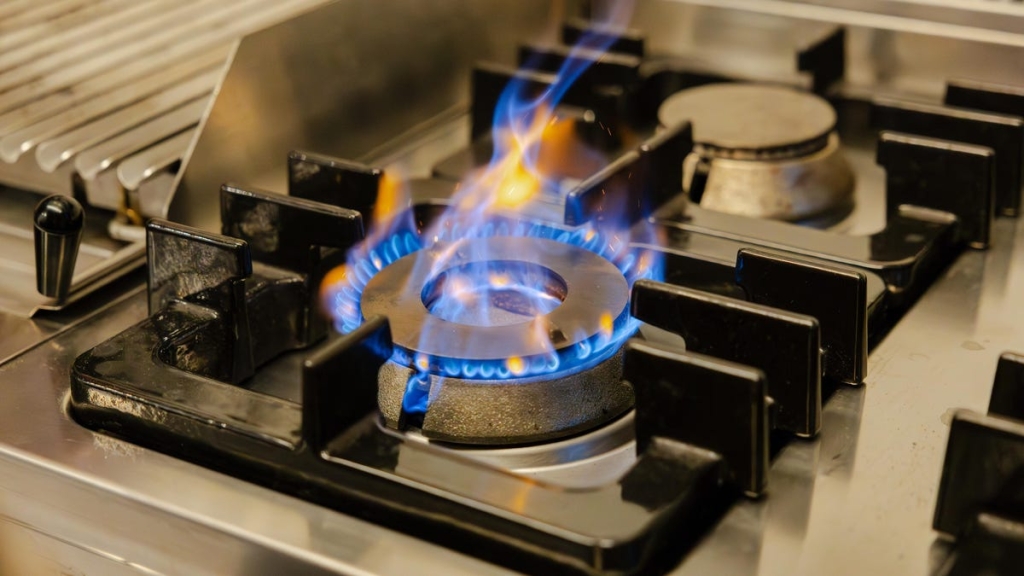
Gas Stove Woes? Here’s How to Fix It Before You Call a Pro
If you’ve ever stood in your kitchen, turning the knob on your gas stove only to hear silence instead of the familiar whoosh of ignition, you’re not alone. Across Reddit threads, countless homeowners are venting about gas stoves that refuse to light. Some blame gas flow issues, others point to electrical failures, but the good news is that most of these problems are fixable without breaking the bank—or your back.
With inflation still squeezing wallets, cooking at home has become more than just a hobby—it’s a necessity. According to a recent CNET survey, 53% of U.S. adults are cutting back on non-essential spending, and preparing your own meals is one of the most effective ways to save. But what happens when your trusty gas stove decides to take a day off? Here’s a deep dive into the most common reasons your gas stove won’t ignite—and how to fix them.
1. Clogged Burner: The Silent Saboteur
One of the most common culprits behind a gas stove that won’t light is debris blocking the gas flow to the igniter. Grease buildup, food crumbs, or even a rogue grain of rice can wreak havoc on your stove’s performance.
The Fix:
Start by removing the grate covering the troubled burner. Next, lift off the burner cap—it should come off easily. If your stove has a sealed burner base, you may need to remove a couple of screws before lifting it off. Once exposed, clean the area with a warm, soapy washcloth. For stubborn grime, soak the burner base in vinegar or warm water and scrub with a stiff brush. Finally, use a toothpick, sewing needle, or compressed air to clear any debris from the burner holes. Reassemble everything, restore power, and try igniting the burner again. If it still won’t light, you might be dealing with a kink in the gas supply line or a more serious issue—time to call in a pro.
2. Loose Connections: The Invisible Culprit
Gas stoves may not have a lot of moving parts, but connections can come loose over time—especially during cleaning or installation. If the wires connecting the igniter to the control module aren’t making a solid connection, your burner won’t spark.
The Fix:
First, cut power to the stove by unplugging it or flipping the breaker switch. Remove the grate and burner cap, then take off the sealed burner base. Look for any loose connections or disconnected wires. Secure any loose connections and reconnect any wires that have come undone. Reassemble the burner, restore power, and test the connection.
3. Faulty Igniter: The Bright (or Not-So-Bright) Spark
If you’ve cleaned the burner and checked the connections but your stove still won’t light, the igniter itself might be the problem. A quick way to test this is to turn off the lights in your kitchen and turn the control knob to the ignite position. If the igniter sparks yellow or orange instead of a bright bluish-white, it’s time for a replacement.
The Fix:
Turn off the gas and power to the stove. Remove the burner cap and use a screwdriver or hex driver to disconnect the burner base. Disconnect the wires from the igniter—most igniters use a quick-disconnect system, so you won’t need to cut or splice wires. Use your stove’s model number to find the correct replacement igniter, install the new part, and reassemble everything. Restore gas and power, then test the burner.
If none of these fixes work, you may need to replace the igniter switch, igniter control module, or call a professional for a more in-depth diagnosis.
FAQs: Your Burning Questions Answered
Q: Why won’t my gas stove ignite?
A: There may be an issue with the ignition system or a blocked burner. Check if the igniter is sparking. If it’s not faulty, clean and dry the burner thoroughly and ensure the cap is properly aligned.
Q: How long do gas stoves last?
A: With proper care, a gas stove can last 10 to 15 years.
Q: Are gas stoves safe?
A: While some studies suggest natural gas stoves may leak more than previously thought, more research is needed. Regular maintenance and proper ventilation can minimize risks.
Q: Is there a push to ban gas stoves?
A: There isn’t a national push to ban gas stoves in the U.S., but some states are considering banning gas in new construction due to health concerns.
Tags & Viral Phrases
- Gas stove not lighting
- DIY gas stove repair
- How to fix a gas stove igniter
- Gas stove maintenance tips
- Save money by fixing your gas stove
- Common gas stove problems
- Gas stove safety concerns
- How to clean a gas stove burner
- Gas stove repair at home
- When to call a professional for gas stove issues
- Gas stove troubleshooting guide
- Inflation-friendly cooking tips
- Gas stove igniter replacement
- How to test a gas stove igniter
- Gas stove burner cleaning hacks
- Gas stove electrical issues
- Gas stove gas flow problems
- DIY home appliance repair
- Gas stove repair for beginners
- Gas stove maintenance checklist
- Gas stove safety tips
- Gas stove repair near me
- How to save money on gas stove repairs
- Gas stove repair cost
- Gas stove igniter not sparking
- Gas stove burner cap alignment
- Gas stove sealed burner base cleaning
- Gas stove wire connections
- Gas stove igniter switch replacement
- Gas stove control module issues
- Gas stove professional repair services
- Gas stove health concerns
- Gas stove environmental impact
- Gas stove vs. electric stove debate
- Gas stove repair Reddit
- Gas stove repair YouTube tutorials
- Gas stove repair tools
- Gas stove repair step-by-step guide
- Gas stove repair success stories
- Gas stove repair before and after
- Gas stove repair hacks
- Gas stove repair myths debunked
- Gas stove repair for renters
- Gas stove repair for homeowners
- Gas stove repair emergency tips
- Gas stove repair seasonal maintenance
- Gas stove repair long-term solutions
- Gas stove repair cost-saving tips
- Gas stove repair DIY vs. professional
- Gas stove repair common mistakes
- Gas stove repair troubleshooting tips
- Gas stove repair expert advice
- Gas stove repair ultimate guide
,

Leave a Reply
Want to join the discussion?Feel free to contribute!