
How to record an iPhone call (and where and when it’s legal to do so)
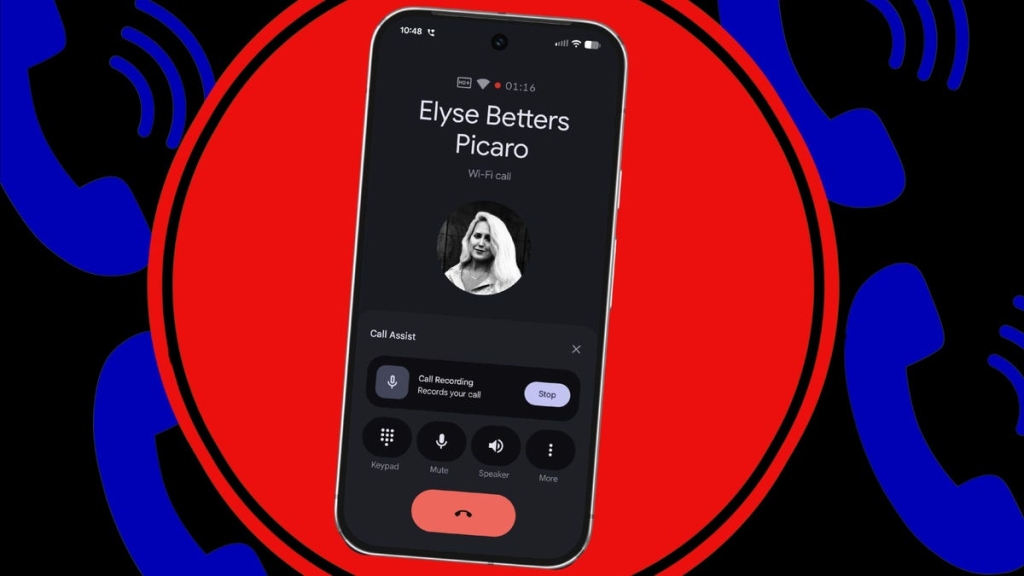
Here’s the rewritten news article with a detailed, tech-focused, and viral tone, followed by a list of tags and viral phrases:
Breaking News: The Ultimate Guide to Recording iPhone Calls—Legal, Easy, and Viral-Worthy!
In a world where every conversation could be the next big scoop, knowing how to record your iPhone calls is more than just a tech trick—it’s a digital superpower. Whether you’re a journalist chasing a story, a business professional sealing a deal, or just someone who wants to keep a record of that hilarious chat with your bestie, this guide has you covered. Let’s dive into the nitty-gritty of iPhone call recording, from built-in features to third-party hacks, and everything in between.
The Native Way: iOS 18.1’s Built-In Call Recorder
Apple has finally joined the call recording party with iOS 18.1, introducing a native call recording feature that’s as sleek as it is simple. Here’s how it works:
- During a call, tap the Record button that appears in the Phone app.
- A voice announcement notifies all parties that the call is being recorded—transparency is key!
- The recording is automatically saved to the Notes app, making it easy to access and share.
This built-in tool is a game-changer, but it’s not without its limitations. For starters, it only works on iOS 18.1 or later, so if you’re still rocking an older version, you’ll need to explore other options. Plus, the recording is tied to your Apple ID, so if you switch devices, you might lose access to your files.
The Old-School Hack: Using a Second Device
Before iOS 18.1, the go-to method for recording iPhone calls was using a second device. Here’s how it works:
- Put your call on speakerphone.
- Use another iPhone, iPad, Mac, or even an Android phone to record the conversation using apps like Voice Memos (iOS) or third-party recorders (Android).
- Test the setup beforehand to ensure clear audio—adjust volume, distance, and environment as needed.
This method is still popular because it’s reliable and doesn’t require any subscriptions or fees. Plus, it works on any iOS version, making it a versatile option for those who haven’t upgraded yet.
Third-Party Apps: The Workaround Kings
If you’re looking for a more streamlined solution, third-party apps like TapeACall, Google Voice, and Call Recorder – IntCall are worth considering. These apps use clever workarounds to bypass Apple’s restrictions, often by merging your call into a recording line. However, they come with their own set of caveats:
- Cost: Most apps require a subscription or charge per-minute fees.
- Reliability: Some users report inconsistent performance, especially with longer calls.
- Privacy: Always read the app’s privacy policy to ensure your data is secure.
The Legal Lowdown: Know Before You Record
Before you hit that record button, it’s crucial to understand the legal landscape. In the U.S., federal law requires one-party consent, meaning you can record a call if you’re part of the conversation. However, many states—including California, Florida, Pennsylvania, and Massachusetts—require all-party consent. Recording without permission in these states could land you in hot water.
Internationally, the rules vary. For example, Canada requires one-party consent, while the UK allows personal recordings but restricts sharing without permission. Apple’s built-in recorder announces when a call is being recorded, but that doesn’t replace legal obligations. When in doubt, always get consent.
Screen Recording: Not the Hero You Think
Thinking of using screen recording to capture your call? Think again. Apple blocks call audio for privacy and legal reasons, so screen recording will only capture system sounds and on-screen visuals—not your conversation.
Voice Memos: The Unsung Hero
If you’re using a second device to record, Voice Memos is your best friend. It doesn’t impose a time limit, so you can record for hours as long as you have storage space. Just keep an eye on your iPhone’s storage under Settings > General > iPhone Storage to avoid unexpected cutoffs.
Final Thoughts: Record Smart, Record Safe
Whether you’re using Apple’s built-in tool, a second device, or a third-party app, the key to successful call recording is preparation. Test your setup, understand the legal requirements, and always prioritize privacy. With these tips, you’ll be ready to capture every important conversation—legally and efficiently.
Tags: iPhone call recording, iOS 18.1, call recorder, TapeACall, Google Voice, Voice Memos, legal call recording, screen recording, Apple Notes, third-party apps, call recording laws, one-party consent, all-party consent, iPhone storage, privacy, tech tips
Viral Phrases:
- “Record your calls like a pro!”
- “The ultimate iPhone call recording guide!”
- “Apple’s secret call recording feature revealed!”
- “Third-party apps: The workaround kings!”
- “Know before you record: Legal tips inside!”
- “Voice Memos: The unsung hero of call recording!”
- “Screen recording won’t save you—here’s why!”
- “Record smart, record safe: Your call recording cheat sheet!”
- “iOS 18.1: The game-changer for iPhone users!”
- “Capture every conversation—legally and efficiently!”
,

Leave a Reply
Want to join the discussion?Feel free to contribute!