
How to turn off HDMI-CEC on your TV – and why it makes such a big difference
Here’s your rewritten technology news article with a viral tone and approximately 1200 words:
Smart TVs Are Spying on Your HDMI Content—Here’s How to Stop It
Your TV knows more about you than you think. In the age of streaming and connected devices, privacy has become a luxury that most consumers don’t even realize they’re sacrificing. What if I told you that your smart TV is watching your every move—even when you’re watching a 20-year-old DVD or playing a retro video game console?
The Silent Invasion of Your Living Room
For years, we’ve known that smart TVs track our streaming habits to serve personalized ads and content recommendations. But here’s the shocking truth: your TV is also monitoring everything you watch through HDMI-connected devices. That’s right—your Blu-ray player, gaming console, and even that dusty DVD player from 2005 are all being monitored.
How Your TV Tracks Your Every Move
Smart TVs use two sophisticated methods to monitor your viewing habits:
-
HDMI-CEC Metadata: This isn’t just some technical jargon—it’s your TV’s way of identifying every device you connect. When you plug in your PlayStation 5 or Xbox Series X, your TV immediately recognizes it and starts tracking how long you use it. Think of it as your TV keeping a detailed diary of your entertainment choices.
-
Automatic Content Recognition (ACR): This is where things get really creepy. Your TV takes microscopic “fingerprint screenshots” of every pixel on your screen, regardless of the source. It then runs these through complex algorithms to identify exactly what you’re watching—whether it’s a Netflix show, a Blu-ray movie, or even a YouTube video playing from your laptop.
According to groundbreaking research from the University of California, Davis, “One of the most significant findings is that ACR tracking occurs even when the TV is used as a ‘dumb’ display.” In other words, your TV is spying on you even when you think you’re just using it as a regular monitor.
Take Back Control: Your Privacy Action Plan
Ready to fight back against Big TV? Here’s your comprehensive guide to reclaiming your privacy:
1. Disable ACR: The Nuclear Option
This is the most crucial step in protecting your privacy. You’ll need to dive deep into your TV’s settings, likely buried under “Terms and Conditions” or “Privacy and Data Policy.” Here’s where to find it for major brands:
- Samsung: Viewing Information Services
- LG: Live Plus
- Vizio: Viewing Data
- Sony/Google TV: Help & Feedback or Usage & Diagnostics
- TCL/Roku TV: Smart TV Experience
- Hisense: Smart TV Experience or Viewing Information Services
- Fire TV: Automatic Content Recognition
2. Turn Off HDMI-CEC: The Second Line of Defense
If you don’t mind juggling multiple remotes, disabling HDMI-CEC is your next move. This cuts off the data exchange between your connected devices and your TV. Here’s where to find it:
- Samsung: Settings > Connection > External Device manager > Anynet+
- LG: Settings > General (or Connection) > Device Connection Settings (or External Devices) > SimpLink
- Vizio: Menu > All Settings > System > CEC
- Sony: Settings > Channels & Inputs > External Inputs > Bravia Sync
- TCL: Settings > Channels & Inputs > Inputs > Control Other Devices (CEC)
- Hisense: Settings > System/Connection > HDMI & CEC
- Fire TV: Settings > Display & Sounds > HDMI CEC Device Control
- Roku TV: Settings > System > Control Other Devices
- Google TV: Settings > Display & Sound > HDMI CEC
3. Go Physical: The HDMI CEC Blocker
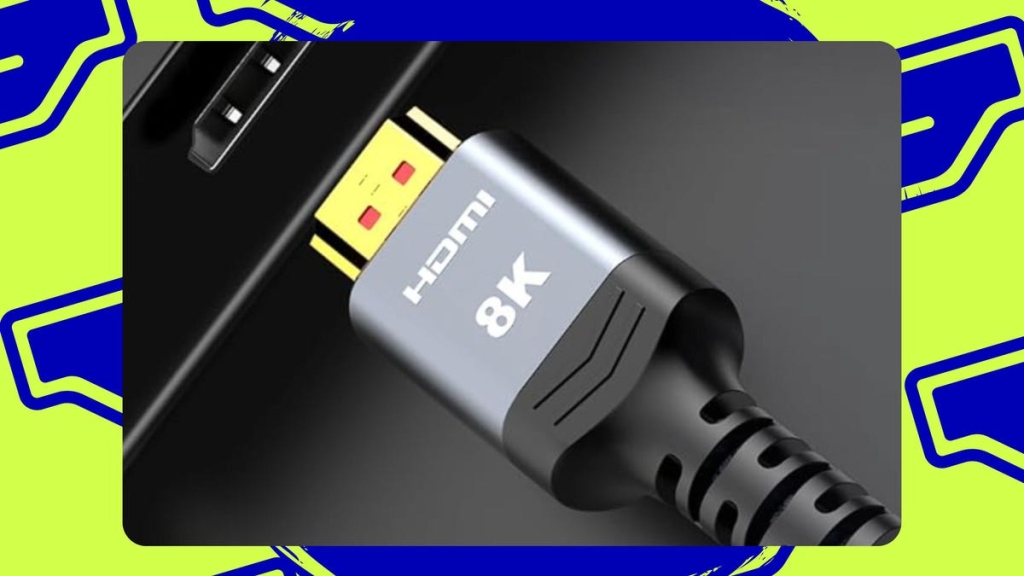
For the ultimate privacy protection, consider using a physical CEC blocker device. These adapters connect to both your TV and HDMI devices but lack the pin connector required for data transmission. The BlueRigger brand offers single devices, pairs, and sets of four, giving you complete control over every TV in your home.
4. The Ultimate Solution: Disconnect and VPN
If you’re serious about privacy, disconnect your TV from the internet entirely. Without Wi-Fi or Ethernet, your TV can’t send data to corporate databases. For those who can’t live without streaming, installing a VPN on your TV changes your IP address, making it nearly impossible for companies to track your online activity.
The Trade-Offs: What You Might Lose
Before you go full privacy mode, understand that disabling these features might affect other TV functionalities. You might lose voice commands, search functions, or other smart features. Additionally, TV firmware updates might reset your privacy settings, so you’ll need to periodically check your menus.
The Bottom Line
In today’s digital age, privacy is a choice—and it’s one that requires active participation. By taking these steps, you’re not just protecting your data; you’re reclaiming your right to enjoy entertainment without being constantly monitored.
Your TV should be a window to entertainment, not a surveillance device. Take control of your privacy today, and enjoy your media the way it was meant to be enjoyed—without Big Brother watching over your shoulder.
SmartTVPrivacy #HDMISurveillance #TechPrivacy #DataProtection #StreamingSecurity #TVTracking #PrivacyMatters #TechTips #DigitalPrivacy #ConnectedDevices #HomeEntertainment #Cybersecurity #PersonalData #TechNews #PrivacySettings #StopTheSpying #YourDataYourChoice #TechAwareness #DigitalRights #PrivacyFirst
The post Smart TVs Are Spying on Your HDMI Content—Here’s How to Stop It first appeared on Zdnet.com.
privacy #tech #smarttv #hdmi #acr #tracking #data #security #digital #television #streaming #connecteddevices #cybersecurity #personaldata #techtips #privacyfirst #stopspying #digitalrights #technews #awareness #protection #homeentertainment #connectedhome #surveillance #datafreedom #privacymatters #yourchoice #techprivacy #digitalprivacy #stoptracking
,
Leave a Reply
Want to join the discussion?Feel free to contribute!