
How to View the ‘Blood Moon’ Total Lunar Eclipse on March 3
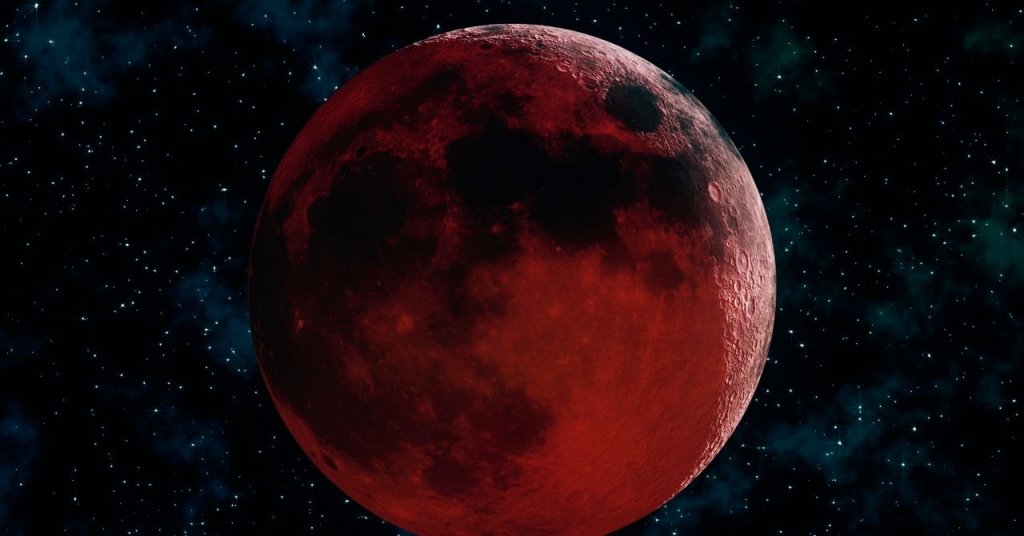
The “Blood Moon” of 2026: A Celestial Spectacle You Can’t Miss
Stargazers and astronomy enthusiasts, mark your calendars for an unforgettable cosmic event: the first major astronomical phenomenon of 2026 will paint the night sky with an eerie crimson glow. On March 3, 2026, a total lunar eclipse—famously known as the “Blood Moon”—will cast its spell across the heavens, turning the full moon into a mesmerizing reddish orb for just 12 minutes of totality.
This isn’t just any lunar eclipse. It’s the kind of celestial event that stops people in their tracks, compelling them to step outside in the pre-dawn chill to witness the moon’s transformation. Unlike the fleeting drama of a solar eclipse, this spectacle is safe to view with the naked eye—no special glasses or equipment required. Just find a high vantage point, bundle up, and prepare to be awed.
Where and When to Watch
The eclipse will begin in the early morning hours, but the real magic happens as dawn approaches. Totality—the moment when the moon is completely engulfed in Earth’s shadow—will occur just before sunrise, creating a surreal contrast between the reddening moon and the brightening horizon.
Here are the key times for major cities across North America:
- Los Angeles: 3:04 AM
- Denver: 4:04 AM
- Chicago: 5:04 AM
- St. Louis: 5:04 AM
- New York: 6:04 AM
- Washington, DC: 6:04 AM
If you’re in Central or South Asia, you’ll catch a partial view of the eclipse. Unfortunately, skywatchers in Europe and Africa will miss out entirely—geography and timing aren’t always on our side when it comes to cosmic events.
The Science Behind the Scarlet Glow
So why does the moon turn red during a total lunar eclipse? It’s all about Earth’s atmosphere acting as a cosmic filter. When the Earth slides directly between the sun and the moon, it casts a shadow on the lunar surface. But Earth isn’t a barren rock like the moon—it’s wrapped in a blanket of air that scatters sunlight in fascinating ways.
As sunlight passes through Earth’s atmosphere, shorter blue wavelengths scatter away, while longer red wavelengths bend around the planet and continue their journey to the moon. This filtered light bathes the lunar surface in a dusky, coppery hue. NASA puts it poetically: “It’s as if all the world’s sunrises and sunsets are projected onto the moon.”
Imagine that—every dawn and dusk happening simultaneously on our planet, all reflected on the face of the moon. It’s a humbling reminder of our place in the cosmos.
How Rare Is This Event?
While total lunar eclipses might seem common, they’re actually less frequent than their solar counterparts. On average, a “Blood Moon” occurs every 2.5 years, whereas a total solar eclipse happens about every 18 months. However, the perception of rarity flips when you consider visibility.
A total lunar eclipse can be seen from anywhere it’s nighttime during the event—roughly half the planet. In contrast, a total solar eclipse is visible only from a narrow path of totality, often just a few dozen miles wide. This means that while lunar eclipses grace the skies more often globally, any given location might wait decades to see one in full glory. For instance, you might witness a total lunar eclipse every few years, but could wait nearly 400 years for a total solar eclipse to pass directly overhead.
Tips for the Best Viewing Experience
Unlike solar eclipses, which demand protective eyewear, lunar eclipses are completely safe to watch with your naked eyes. No telescopes or binoculars are necessary, though they can enhance the experience. The key is location: since the moon will be low on the horizon during totality, find a spot with an unobstructed view—away from tall buildings, trees, or mountains.
Dress warmly, bring a blanket or chair, and consider inviting friends or family to share the moment. There’s something profoundly connecting about watching the cosmos together. And if you’re a photography enthusiast, this is a prime opportunity to capture stunning images of the moon in its crimson phase—just remember to use a tripod for stability in the low light.
A Moment of Cosmic Perspective
In a world that often feels chaotic and fast-paced, events like the 2026 Blood Moon offer a rare pause—a chance to look up and remember that we’re part of something vast and wondrous. For 12 minutes on a March morning, the moon will wear the colors of every sunrise and sunset on Earth, a silent testament to the beauty and precision of the universe.
So set your alarms, charge your cameras, and prepare for a celestial show that’s truly out of this world. The 2026 Blood Moon is coming, and it promises to be a sight you’ll remember for a lifetime.
Tags: Blood Moon 2026, total lunar eclipse, March 2026 astronomy, red moon phenomenon, celestial events 2026, lunar eclipse viewing guide, NASA eclipse, stargazing 2026, cosmic events, astronomical calendar
Viral Sentences:
- “Witness the moon turn blood red in a 12-minute cosmic spectacle!”
- “The 2026 Blood Moon: Where every sunrise and sunset on Earth paints the moon.”
- “Don’t miss the first major astronomical event of 2026—set your alarms now!”
- “Safe, stunning, and surreal: The lunar eclipse you can watch with your naked eyes.”
- “Why the moon turns red during an eclipse—science meets poetry in the sky.”
- “Mark your calendars: The 2026 Blood Moon is a once-in-a-lifetime view for many.”
- “Bundle up, look up, and let the cosmos take your breath away this March.”
,


Leave a Reply
Want to join the discussion?Feel free to contribute!