
Huaqiangbei Modders Retrofit iPhone Air with Physical SIM Slot · TechNode
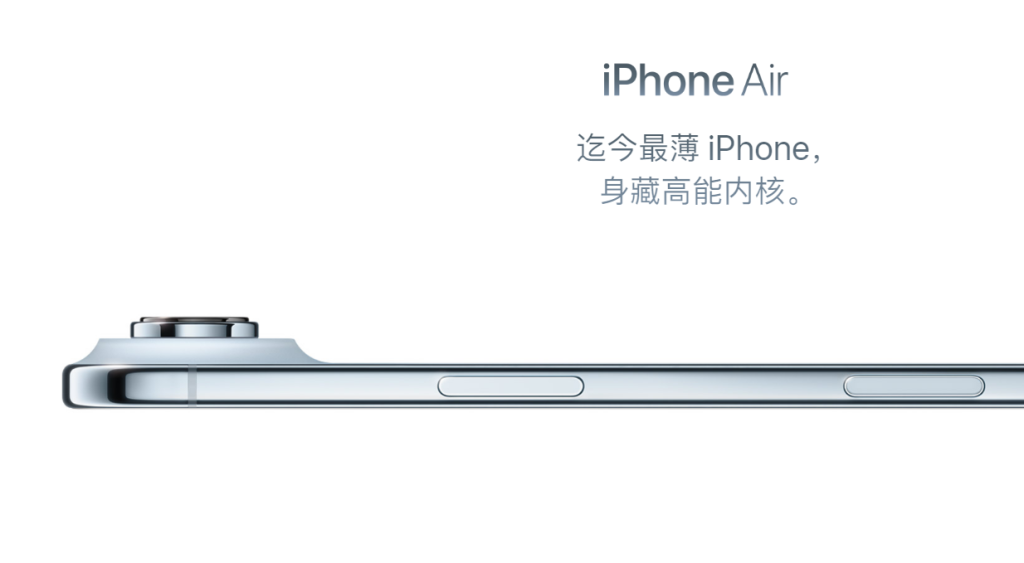
Shenzhen Technicians Modify iPhone Air to Support Physical SIM Card Slot
In a stunning demonstration of technical ingenuity, technicians in Shenzhen’s famed Huaqiangbei electronics market have successfully modified Apple’s iPhone Air to support a physical SIM card slot, according to videos that have gone viral since January 22. This modification represents a significant breakthrough for users who prefer traditional SIM cards over eSIM technology, particularly in regions where eSIM adoption remains limited.
The Technical Feat: How It Works
The modification process is remarkably intricate and requires exceptional precision. Technicians must machine space at the bottom of the iPhone Air’s motherboard to accommodate a SIM tray harvested from an iPhone 15 Pro Max. This is no simple task, as the iPhone Air was designed specifically for eSIM-only functionality, with its internal components arranged to maximize space efficiency for the device’s ultra-thin profile.
To make room for the physical SIM tray, the Taptic Engine—Apple’s sophisticated haptic feedback system—must be replaced with a custom-fabricated component. This custom part maintains essential vibration functionality while occupying significantly less space, creating the necessary room for the SIM slot without compromising the device’s structural integrity or basic functionality.
Real-World Testing Confirms Success
Test videos circulating online demonstrate that the modified iPhone Air, including U.S. models that were originally eSIM-only, can successfully place calls and access mobile data using a physical SIM card. This is particularly noteworthy because U.S. iPhone Air models were designed without any physical SIM capability, making this modification especially impressive.
The videos show the modified devices completing the entire process: from inserting the SIM card, to network registration, to making actual phone calls and using mobile data services. The functionality appears seamless, suggesting that the modification doesn’t interfere with other core iPhone features.
Implications for the Global Market
This development has significant implications for Apple users worldwide, particularly in markets where eSIM technology adoption has been slower. Many countries still lack comprehensive eSIM support from carriers, and some users simply prefer the flexibility of physical SIM cards for managing multiple numbers or traveling internationally.
The ability to add physical SIM capability to an eSIM-only iPhone Air could extend the device’s useful life and appeal in these markets. It also highlights the ongoing tension between Apple’s design philosophy—which increasingly favors sealed, minimalist devices—and user demands for flexibility and repairability.
The Huaqiangbei Advantage
Shenzhen’s Huaqiangbei district has long been known as the world’s largest electronics market and a hub for innovative modifications and repairs. The area’s technicians have built a reputation for accomplishing what many consider impossible, from motherboard repairs to component-level modifications that would be unthinkable in authorized repair centers.
This SIM card modification is consistent with Huaqiangbei’s history of pushing technological boundaries. The district’s ecosystem of parts suppliers, skilled technicians, and rapid prototyping capabilities makes it uniquely suited for such experimental modifications.
Technical Challenges and Limitations
While the modification appears successful in demonstration videos, it’s important to note the significant challenges involved. The process requires advanced micro-soldering skills, precision machining equipment, and a deep understanding of iPhone architecture. It’s not something that can be accomplished with basic tools or by amateur technicians.
Additionally, the modification likely voids any remaining warranty and could potentially affect other features, though the demonstration videos don’t show any apparent issues. Users considering such modifications should be aware of the risks, including the possibility of bricking their devices or creating unforeseen compatibility issues with future iOS updates.
The Future of iPhone Modifications
This SIM card modification represents a fascinating intersection of user demand, technical capability, and the ongoing evolution of smartphone design. As Apple continues to move toward eSIM-only devices, we may see more such modifications emerging from the gray market, particularly in regions where physical SIM cards remain essential.
The success of this modification also raises questions about Apple’s design decisions and whether the company might eventually offer physical SIM options on more models, or at least make eSIM activation more universally accessible.
iPhone Air, SIM card modification, Huaqiangbei, Shenzhen electronics market, eSIM, physical SIM, iPhone 15 Pro Max, Taptic Engine, mobile technology, smartphone modification, gray market repairs, Apple devices, SIM tray installation, motherboard modification, Chinese tech innovation, smartphone repair, eSIM vs physical SIM, iPhone customization, mobile network access, tech viral videos, Shenzhen technicians, Apple hardware modification, SIM card hacking, iPhone Air features, mobile technology trends, smartphone flexibility, repairability, tech modification community, viral tech news, Chinese electronics market, smartphone innovation, eSIM limitations, physical SIM benefits, iPhone architecture, micro-soldering, tech breakthroughs, mobile device customization, smartphone repair skills, Huaqiangbei technicians, Apple design philosophy, global mobile markets, SIM card technology, iPhone modification risks, future of smartphones, mobile device trends, tech community innovation, smartphone ecosystem, Apple user preferences, mobile technology evolution.
,


Leave a Reply
Want to join the discussion?Feel free to contribute!