
Huawei and Oppo could use square selfie sensor in future phones
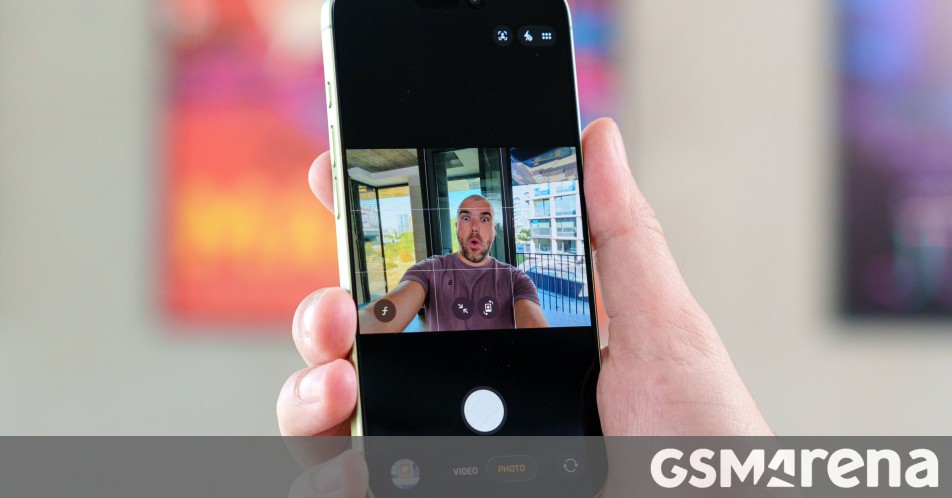
Apple’s Square Selfie Sensor Revolution Sparks Industry-Wide Shift
In a move that’s sending shockwaves through the mobile technology landscape, Apple’s innovative square sensor implementation for the iPhone 17 series’ front-facing camera appears to be catalyzing a significant industry transformation. Industry insiders and tipsters are now reporting that major Chinese smartphone manufacturers Huawei and Oppo are actively developing their own versions of square selfie sensors, potentially marking the beginning of a new era in smartphone photography.
According to reliable sources, including prominent tipster Digital Chat Station, both Huawei and Oppo are currently in the testing phase for 1:1 square sensors specifically designed for front-facing cameras. This development suggests that Apple’s seemingly simple design choice may have far-reaching implications for how we capture self-portraits and engage in video calls in the future.
Huawei’s Strategic Implementation
The information suggests that Huawei is strategically positioning the square selfie sensor for its camera-focused mid-range smartphone lineup, most likely to debut with the highly anticipated Nova 16 series. This approach makes perfect sense from a business perspective, as Huawei has consistently demonstrated its commitment to delivering exceptional camera experiences across all price segments.
By introducing the square sensor technology in its mid-range offerings first, Huawei can gather valuable user feedback and refine the technology before potentially implementing it in its flagship devices. This measured approach also allows the company to differentiate its mid-range offerings from competitors while maintaining its premium positioning for high-end devices.
Oppo’s Ambitious Plans
In contrast to Huawei’s strategy, Oppo appears to be taking a more aggressive approach by planning to implement the square front camera sensor in its flagship devices from the outset. The tipster specifically mentions that the Find X10 series will likely be the first to showcase this technology, with the implementation being described as “even more advanced than Apple’s.”
This bold move by Oppo signals the company’s determination to establish itself as a leader in smartphone camera innovation. By promising a more advanced implementation than Apple’s already impressive system, Oppo is setting high expectations for its upcoming flagship series and potentially positioning itself to capture the attention of photography enthusiasts and tech-savvy consumers.
Understanding Apple’s Square Sensor Innovation
To appreciate the significance of this industry shift, it’s essential to understand what makes Apple’s square sensor implementation so revolutionary. The iPhone 17 series features an 18MP selfie camera that utilizes a 1:1 square sensor with auto zoom capabilities, representing a significant departure from the traditional rectangular sensors that have dominated smartphone cameras for years.
The square format offers several distinct advantages that address long-standing pain points in smartphone photography. Most notably, it enables seamless shooting in both portrait and landscape orientations without requiring users to physically rotate their devices. This seemingly simple improvement can dramatically enhance the user experience, particularly for content creators who frequently switch between different shooting orientations.
Technical Advantages of Square Sensors
The technical benefits of square sensors extend beyond mere convenience. The symmetrical nature of square sensors allows for more efficient use of the sensor area, potentially leading to improved image quality and better low-light performance. Additionally, the square format provides more flexibility in post-processing, allowing users to crop their images to various aspect ratios without losing significant detail.
The auto zoom capability mentioned in the reports suggests that Apple has implemented sophisticated computational photography algorithms to optimize the output based on the shooting scenario. This combination of hardware innovation and software optimization represents the kind of holistic approach that has become Apple’s hallmark in recent years.
Industry Implications and Market Dynamics
The fact that major competitors like Huawei and Oppo are rushing to implement similar technology speaks volumes about Apple’s continued influence in the smartphone industry. Even as Android manufacturers have caught up with and in some cases surpassed Apple in certain areas, the company’s ability to set trends and drive industry-wide changes remains intact.
This development also highlights the increasingly competitive nature of the smartphone camera market, where differentiation often comes down to subtle but meaningful innovations rather than dramatic leaps in technology. As manufacturers continue to push the boundaries of what’s possible with smartphone photography, consumers can expect to see a proliferation of creative solutions aimed at enhancing their photographic experiences.
Future Prospects and Consumer Impact
Looking ahead, the widespread adoption of square selfie sensors could lead to new form factors and user interface designs in smartphones. Manufacturers may need to rethink the placement and design of front-facing cameras to accommodate the different aspect ratios and capabilities of square sensors.
For consumers, this shift promises more versatile and capable front-facing cameras that can adapt to various shooting scenarios without compromising on quality or convenience. Whether you’re taking a quick selfie, participating in a video call, or creating content for social media, the enhanced flexibility offered by square sensors could significantly improve your smartphone photography experience.
Timeline and Expectations
While specific release dates haven’t been confirmed, the rumor suggests that we could see Huawei’s implementation in the Nova 16 series and Oppo’s in the Find X10 series within the next year. This timeline aligns with typical product development cycles in the smartphone industry and suggests that these companies are already well into their development processes.
As these implementations roll out, it will be fascinating to see how each manufacturer differentiates its approach and what unique features they bring to the table. The competition between these tech giants is likely to drive rapid innovation in this space, ultimately benefiting consumers with better and more capable smartphone cameras.
The smartphone camera industry continues to evolve at a breakneck pace, and the potential widespread adoption of square selfie sensors represents yet another milestone in this ongoing revolution. As Apple, Huawei, Oppo, and other manufacturers continue to push the boundaries of mobile photography, we can expect to see even more innovative solutions emerge in the coming years.
Tags: #Apple #iPhone17 #SquareSensor #SelfieCamera #Huawei #Oppo #SmartphonePhotography #MobileTech #CameraInnovation #TechTrends #FindX10 #Nova16 #MobilePhotography #TechNews #IndustryShift #AppleVsAndroid #CameraTechnology #SmartphoneInnovation
Viral Phrases:
- “Apple’s square sensor sparks industry revolution”
- “Huawei and Oppo rush to copy Apple’s selfie innovation”
- “The end of rectangular selfie sensors?”
- “Square sensors: The next big thing in smartphone cameras”
- “Apple sets new standard, competitors scramble to catch up”
- “From rectangle to square: The selfie camera evolution”
- “Tech giants battle for selfie sensor supremacy”
- “The square sensor revolution has begun”
- “Goodbye awkward phone rotations, hello square sensors”
- “Apple’s simple change creates massive industry ripple effect”
,

Leave a Reply
Want to join the discussion?Feel free to contribute!