
Humongous Numbers of People Are Uninstalling ChatGPT as Anti-OpenAI Sentiment Surges
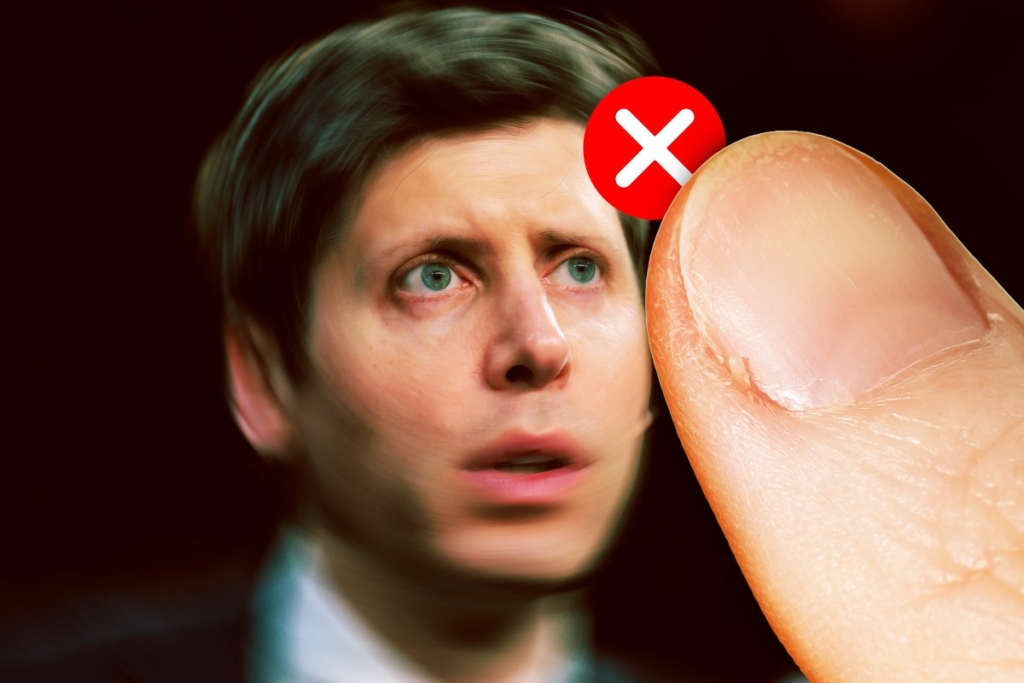
OpenAI’s Pentagon Deal Sparks Mass Exodus: ChatGPT Uninstalls Surge 295% as Users Flock to Anthropic’s Claude
In a stunning turn of events that has sent shockwaves through the tech industry, OpenAI is facing an unprecedented user revolt following CEO Sam Altman’s announcement of a controversial partnership with the Department of Defense. The fallout has been swift and severe, with new data revealing that ChatGPT app uninstalls skyrocketed by an astonishing 295% in the days following the announcement, according to market intelligence provider Sensor Tower.
The numbers paint a picture of a company in crisis. On an average day, ChatGPT experiences a modest 9% uninstall rate, but Saturday’s figures represent a seismic shift in user sentiment. This dramatic exodus appears to be part of a broader backlash against AI companies collaborating with military and defense agencies, with users increasingly concerned about the ethical implications of their technology being weaponized.
The Great Migration: Users Abandon Ship for Anthropic’s Claude
As ChatGPT users flee in record numbers, many appear to be finding refuge in Anthropic’s Claude, an AI chatbot that has positioned itself as the ethical alternative in the AI arms race. The timing couldn’t be more fortuitous for Anthropic, which had publicly refused to cut a deal with the Pentagon just days before OpenAI’s controversial announcement.
Anthropic’s principled stance—refusing to allow its AI to be used in autonomous weapons systems or for mass surveillance of US citizens—has resonated deeply with users who are increasingly wary of AI’s role in warfare and government overreach. The company’s downloads surged by 37% day-over-day on Friday, followed by an additional 51% increase on Saturday, according to industry data.
This migration represents more than just a temporary blip in the competitive landscape. For the first time in ChatGPT’s history, US downloads for Claude have surpassed those of OpenAI’s flagship product, with Claude claiming the top spot on the US App Store over the weekend. The shift suggests a fundamental realignment in user trust and brand loyalty within the AI ecosystem.
The Ethical Dilemma: When Innovation Meets Warfare
The controversy surrounding OpenAI’s Pentagon deal cuts to the heart of a growing tension in the tech industry: the balance between technological advancement and ethical responsibility. Users who once viewed ChatGPT as a revolutionary tool for productivity and creativity are now grappling with the reality that their interactions may be contributing to the development of military AI systems.
This ethical quandary has sparked intense debate across social media platforms and tech forums. The most upvoted post in Reddit’s r/ChatGPT community in recent days carries the provocative title “You are training a war machine,” calling on users to publicly demonstrate their cancellation of ChatGPT subscriptions. The post has become a rallying cry for those seeking to distance themselves from what they perceive as complicity in military applications of AI.
Altman’s Damage Control Falls Flat
In a desperate attempt to stem the tide of cancellations, Sam Altman took to X (formerly Twitter) for an Ask Me Anything session, hoping to address user concerns directly. However, the strategy appears to have backfired spectacularly. Instead of assuaging fears, the AMA became a forum for users to voice their outrage, with many posing incisive questions that Altman struggled to answer convincingly.
The CEO’s responses, which attempted to frame the Pentagon partnership as focused on cybersecurity and non-combat applications, failed to satisfy a user base that has grown increasingly skeptical of corporate assurances regarding military collaborations. The AMA instead highlighted the communication challenges facing tech leaders as they navigate the complex intersection of innovation, ethics, and government partnerships.
The Broader Implications for the AI Industry
The OpenAI backlash represents a potential watershed moment for the AI industry at large. It signals that consumers are no longer willing to separate the technology they use from the ethical implications of how that technology is developed and deployed. This shift in consciousness could have far-reaching consequences for how AI companies structure their business models and partnerships moving forward.
The controversy also raises questions about the future of AI regulation and oversight. As users become more aware of and concerned about military applications of AI, pressure is likely to mount on both companies and governments to establish clearer boundaries and ethical guidelines for AI development and deployment.
A Shifting Landscape: The Rise of Ethical AI Alternatives
Anthropic’s surge in popularity amid the OpenAI controversy highlights a growing market opportunity for AI companies that prioritize ethical considerations in their development and deployment strategies. The company’s success suggests that there is significant demand for AI tools that users can engage with without concerns about contributing to military applications or surveillance systems.
This trend could accelerate the development of alternative AI ecosystems that explicitly position themselves as ethical alternatives to mainstream offerings. Companies that can successfully navigate the balance between innovation and ethical responsibility may find themselves with a significant competitive advantage as users become more discerning about the implications of their technology choices.
The Long-Term Impact: Trust and Transparency in the AI Era
The current crisis facing OpenAI underscores a fundamental challenge for the AI industry: building and maintaining user trust in an era where the applications and implications of AI technology are increasingly complex and potentially controversial. The speed and scale of the user exodus from ChatGPT demonstrate that trust, once lost, can be extraordinarily difficult to regain.
Moving forward, AI companies may need to adopt more transparent communication strategies regarding their partnerships and the potential applications of their technology. The era of vague assurances and broad corporate statements may be giving way to a demand for specific, detailed explanations of how AI systems are being developed and deployed.
What This Means for the Future of AI Development
The backlash against OpenAI’s Pentagon deal could have lasting implications for how AI companies approach partnerships with government and military entities. We may see a future where AI companies are forced to choose between lucrative defense contracts and maintaining their consumer user base—a choice that could fundamentally reshape the industry’s growth trajectory.
Additionally, this controversy may accelerate efforts to develop international frameworks for AI governance and ethics. As users become more engaged with the implications of AI technology, there may be increased pressure on governments and international bodies to establish clearer guidelines and oversight mechanisms for AI development and deployment.
The Human Element: Users Taking Control
Perhaps most significantly, the OpenAI controversy demonstrates the power of informed users to influence corporate behavior and industry trends. The mass exodus from ChatGPT represents a form of digital protest, with users voting with their feet (and their uninstall buttons) to express their values and concerns.
This user-driven accountability could become a defining feature of the AI industry moving forward, with companies forced to consider not just the technical capabilities of their products, but also the ethical implications and user perceptions of how those products are developed and deployed.
Conclusion: A Turning Point for AI Ethics
The dramatic fallout from OpenAI’s Pentagon partnership represents more than just a temporary PR crisis—it may well be a turning point in how society views and interacts with AI technology. As users become more aware of the broader implications of their technology choices, they are increasingly demanding transparency, ethical consideration, and alignment with their values from AI companies.
For OpenAI, the challenge will be not just to weather this immediate storm, but to rebuild trust and demonstrate a genuine commitment to ethical AI development. For the industry as a whole, the controversy serves as a stark reminder that technological innovation cannot be separated from ethical responsibility, and that user trust must be earned and maintained through consistent, transparent, and principled action.
The AI revolution is still in its early stages, but this moment of reckoning suggests that the path forward will be shaped not just by what AI can do, but by how and why it is developed and deployed. As users continue to assert their values and concerns, the companies that succeed will be those that can innovate responsibly while maintaining the trust of the people who use their technology.
Tags
OpenAI backlash, ChatGPT uninstalls, Anthropic Claude surge, AI ethics controversy, Pentagon AI deal, Sam Altman criticism, military AI applications, ethical AI alternatives, user revolt against OpenAI, AI industry transformation, technology ethics debate, digital protest movement, AI governance concerns, consumer trust in AI, military technology partnerships, AI development ethics, chatbot user exodus, responsible AI innovation, transparency in AI, ethical technology choices
Viral Sentences
“You are training a war machine” – The rallying cry of ChatGPT deserters
OpenAI’s Pentagon deal sparks the biggest AI user exodus in history
Claude dethrones ChatGPT as the ethical AI alternative rises
Sam Altman’s damage control AMA turns into a user outrage fest
AI users vote with their uninstall buttons against military partnerships
The tech industry’s ethical reckoning: Innovation vs. Responsibility
When your AI assistant might be helping select military targets
The great AI migration: From ChatGPT to Claude in record numbers
Tech users discover their power to shape corporate AI policies
OpenAI learns the hard way that trust, once lost, is hard to regain
The Pentagon partnership that broke the internet’s favorite AI
AI companies face a stark choice: Defense contracts or user trust
The ethical AI revolution begins as users demand accountability
ChatGPT’s 295% uninstall spike signals a new era of tech consciousness
Anthropic’s principled stance pays off as users flock to ethical AI
The moment AI users realized their technology choices have consequences
Sam Altman’s AMA becomes a masterclass in how not to handle a PR crisis
The AI industry’s wake-up call: Users care about more than just features
When innovation meets warfare: The ethical dilemma rocking Silicon Valley
The uninstall revolution: How users are taking control of AI’s future
,


Leave a Reply
Want to join the discussion?Feel free to contribute!