
Hustlers are cashing in on China’s OpenClaw AI craze
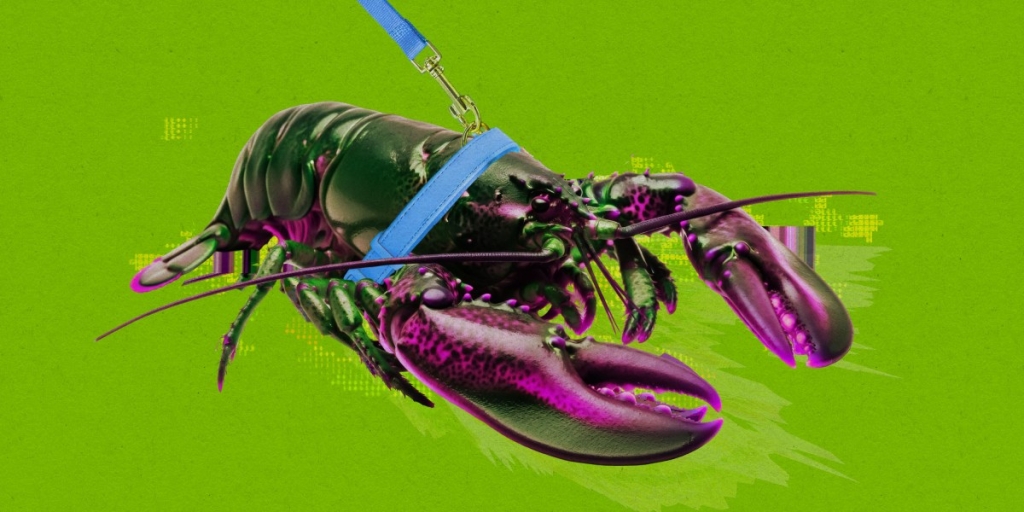
China’s AI Lobster Craze: How a DIY Chatbot Became a Viral Phenomenon
In a remarkable surge of grassroots innovation, a little-known AI tool named OpenClaw has taken China by storm, evolving from a niche developer project into a full-blown cultural and technological movement. What began as a customizable chatbot solution has now captured the imagination of tech enthusiasts, entrepreneurs, venture capitalists, and even government officials across the country. The phenomenon, affectionately dubbed the “lobster craze,” has sparked a wave of self-organized events, corporate promotions, and policy incentives, signaling a new chapter in China’s AI adoption story.
The movement gained early momentum through livestreams and community gatherings. In February, tech influencer Fu Sheng hosted a livestream showcasing OpenClaw’s capabilities, drawing an audience of 20,000 viewers. The momentum only grew from there. Just last weekend, OpenClaw advocate Xie attended three separate events in Shenzhen, each attracting over 500 attendees. The largest of these, held on March 7, saw more than 1,000 people pack into a venue, with many standing shoulder to shoulder or unable to find a seat. These gatherings, often featuring power users, influencers, and venture capitalists, have become hotbeds of innovation and networking.
China’s tech giants are now riding the wave. Tencent, one of the country’s largest internet companies, recently held a public event offering free installation support for OpenClaw, drawing long lines that included elderly users and children. The company is also promoting its own AI models, APIs, and cloud services that integrate with OpenClaw, as well as developing its own OpenClaw-like agents. This corporate embrace has only amplified the tool’s visibility and appeal.
The craze has even caught the attention of local governments. The Longgang district in Shenzhen recently unveiled a series of policies to support OpenClaw-related ventures, including free computing credits and cash rewards for standout projects. Other cities, such as Wuxi, are following suit, rolling out similar measures to foster innovation and entrepreneurship in the AI space.
The viral nature of the trend is perhaps best illustrated by personal anecdotes. “It was not until my father, who is 77, asked me to help install a ‘lobster’ for him that I realized this thing is truly viral,” said Henry Li, a Beijing-based software engineer. This grassroots enthusiasm underscores the tool’s broad appeal, cutting across age groups and technical backgrounds.
However, the rapid rise of OpenClaw has also exposed a significant gap in technical expertise. While demand for the tool is soaring, the ability to install and configure it remains limited to those with programming skills. Setting up OpenClaw requires navigating command-line interfaces, managing developer platforms, and ensuring proper hardware and data partitioning to safeguard privacy. For many, the process is daunting, creating a lucrative opportunity for technically skilled individuals who can bridge the gap.
This has sparked what some are calling a “programmer gold rush.” Developers and tech-savvy users are finding themselves in high demand, offering installation services, troubleshooting support, and customization options to a growing base of eager but less technically inclined users. The phenomenon highlights both the democratization of AI tools and the persistent challenges of accessibility in the tech world.
As OpenClaw continues to gain traction, its impact is being felt far beyond the tech community. From corporate boardrooms to local government offices, the “lobster” has become a symbol of China’s burgeoning AI ecosystem—a testament to the power of grassroots innovation and the country’s appetite for cutting-edge technology. Whether this craze will sustain its momentum or fade as quickly as it emerged remains to be seen, but for now, the lobster is firmly on the menu in China’s AI landscape.
Tags: OpenClaw, AI chatbot, China tech, viral trend, grassroots innovation, developer community, Tencent, Shenzhen, Longgang district, Wuxi, AI adoption, programmer gold rush, tech influencer, livestream, government policy, computing credits, cash rewards, data privacy, command-line interface, customization, AI ecosystem
Viral Phrases: “lobster craze,” “programmer gold rush,” “shoulder to shoulder,” “truly viral,” “AI gold rush,” “democratization of AI,” “grassroots innovation,” “tech gold rush,” “cutting-edge technology,” “AI ecosystem,” “tech gold rush,” “AI gold rush”
,


Leave a Reply
Want to join the discussion?Feel free to contribute!