
Hybrid megapests evolving in Brazil are threat to crops worldwide
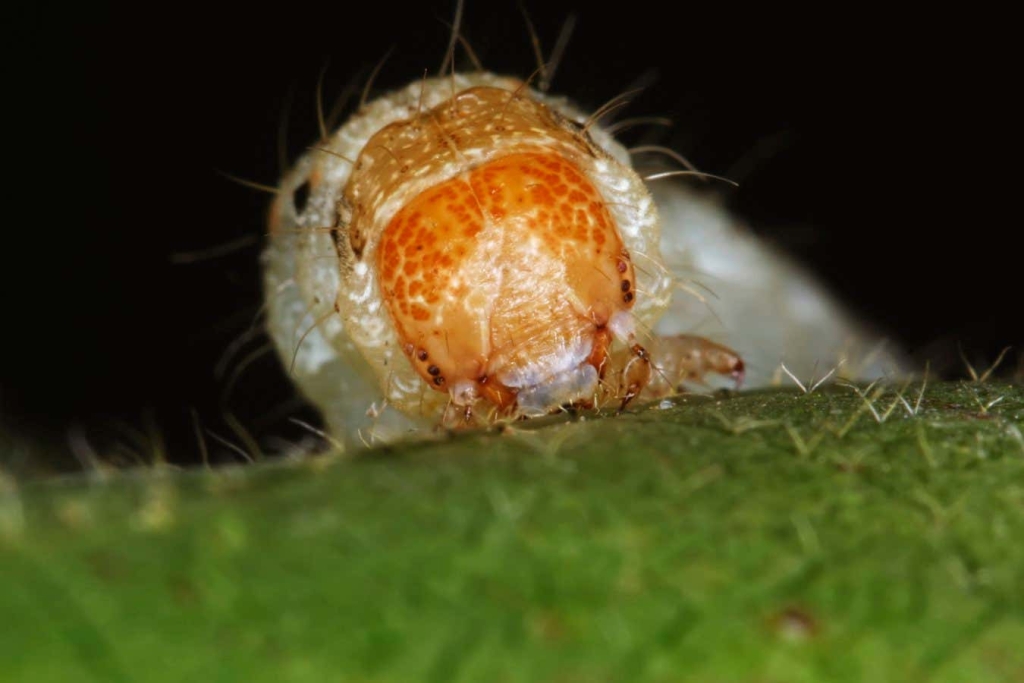
Interbreeding Megapests: The Looming Threat to Global Food Security
In a development that has sent shockwaves through the agricultural world, two of the most destructive crop pests—the cotton bollworm and the corn earworm—have interbred in Brazil, creating hybrid strains with unprecedented resistance to pesticides. This alarming discovery, detailed in a groundbreaking study by researchers at the University of Cambridge, could spell disaster for global food security if left unchecked.
The cotton bollworm (Helicoverpa armigera) and the corn earworm (Helicoverpa zea) are notorious for their ability to devastate crops worldwide. These “megapests,” as scientists have dubbed them, are already a nightmare for farmers due to their adaptability and resistance to conventional pest control methods. Now, their interbreeding in Brazil has introduced a new level of complexity to an already dire situation.
The Brazilian Crisis: A Perfect Storm
Brazil, one of the world’s largest producers of soya, has become the epicenter of this emerging threat. The corn earworm, native to the Americas, was not previously a significant problem for soya crops. However, the arrival of the cotton bollworm in 2013 changed everything. H. armigera, widespread across Eurasia, thrives on soya and quickly became a billion-dollar problem for Brazilian agriculture.
To combat this, farmers turned to Bt soya, a genetically modified crop engineered to produce a toxin derived from the soil bacterium Bacillus thuringiensis. This toxin is lethal to most insects, offering a powerful defense against pests. However, the interbreeding of H. armigera and H. zea has introduced genes conferring resistance to this toxin, undermining the effectiveness of Bt crops.
The Science Behind the Threat
The interbreeding of these two species was once thought impossible, but genetic analysis in 2018 revealed a few hybrid specimens. A recent study by Chris Jiggins and his team at the University of Cambridge has now analyzed the genomes of nearly 1,000 moths collected in Brazil over the past decade. The results are staggering: a third of H. armigera now carry genes providing resistance to the Bt toxin, acquired from H. zea. This resistance likely originated in North America, where Bt maize was introduced in the 1990s, and has since spread to South America.
The transfer of resistance genes has been bidirectional. Nearly all H. zea in Brazil now possess a gene conferring resistance to pyrethroids, a class of insecticides, acquired from H. armigera. “We’re just sort of blown away by how rapidly it’s happened,” says Jiggins.
Global Implications: A Threat to Food Security
The implications of this interbreeding extend far beyond Brazil. The country is a major exporter of soya, which is used to feed both people and animals worldwide. A decline in soya yields due to pest resistance could lead to skyrocketing food prices, increased deforestation as farmers clear more land to compensate, and higher greenhouse gas emissions. “It kind of feeds the world,” Jiggins notes, emphasizing the global stakes.
Angela McGaughran of the University of Waikato in New Zealand warns that such megapests are likely to become an increasing global problem as climate change and global connectivity lower barriers to species’ range expansions. “The escalating rate of biological invasions more generally is a cause for concern,” she adds.
The Road Ahead: Challenges and Solutions
Farmers are advised to plant non-Bt crops alongside Bt ones to create refuges that slow the spread of resistant pests. However, these guidelines are often not followed, exacerbating the problem. Plant companies are developing new strains of Bt crops that produce multiple Bt proteins to combat resistance, but this process is expensive and slow.
Bruce Tabashnik of the University of Arizona emphasizes that while hybridisation can spread resistance, the main issue is evolution within species. In China, for instance, strains of H. armigera have independently evolved resistance to the original Bt toxin.
Tags and Viral Phrases:
- Megapests: The New Superbugs Threatening Global Food Security
- Interbreeding Insects: The Hidden Crisis in Brazilian Agriculture
- Bt Crops Under Siege: How Hybrid Pests Are Evolving Resistance
- Brazil’s Soya Crisis: A Warning for the World
- Climate Change and Global Connectivity: Fueling the Spread of Invasive Species
- The Silent Threat: How Pest Resistance Could Spike Food Prices
- Deforestation and Emissions: The Hidden Costs of Pest Resistance
- Science vs. Superbugs: Can We Outsmart Evolving Pests?
- The Bt Toxin Breakdown: What Farmers Need to Know
- Hybrid Pests: The Next Frontier in Agricultural Warfare
This unfolding crisis underscores the urgent need for innovative solutions to safeguard global food security. As scientists race to understand and combat these evolving threats, the world watches with bated breath.
,


Leave a Reply
Want to join the discussion?Feel free to contribute!