
I can’t help but like the Galaxy S26 Ultra
Samsung Galaxy S26 Ultra Review: A Familiar Formula with a Few New Tricks
Samsung’s Galaxy S26 Ultra continues the company’s five-year streak of releasing essentially the same flagship phone, but with enough refinements to keep it competitive in the premium smartphone market. After two weeks of testing, this device proves that sometimes a proven formula doesn’t need radical reinvention—though it’s certainly time for Samsung to shake things up.
Design: Peak Galaxy, But Time for a Change
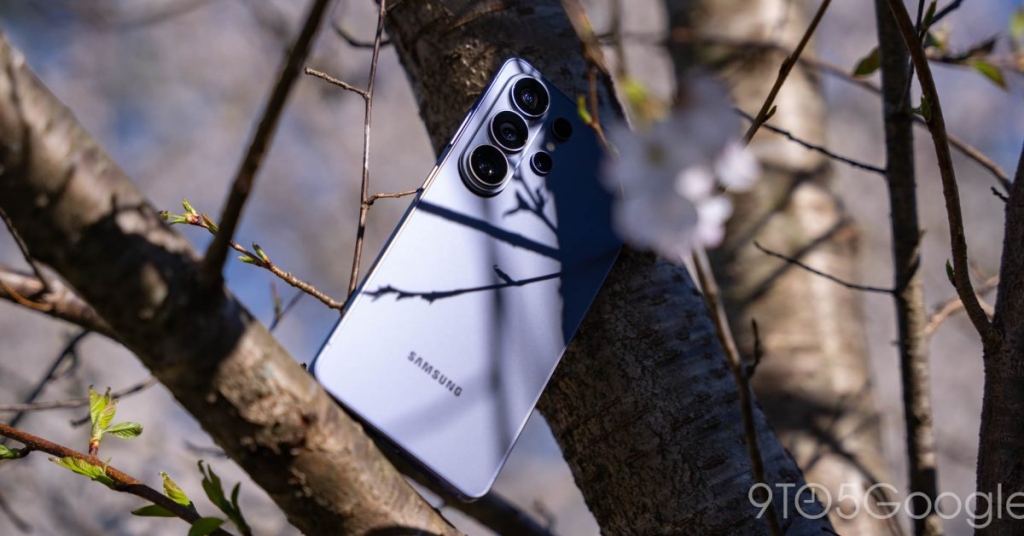
The S26 Ultra embodies everything Samsung has been doing with its flagship design language for years. Rounded corners, flat metal side rails, and that signature raised triple camera module create an instantly recognizable aesthetic. What’s particularly interesting this year is how Samsung has merged design elements from its various product lines—the raised camera module from the Galaxy Z Fold series combined with the boxier shape of previous Ultra models creates something that feels both familiar and slightly evolved.
The device is noticeably thinner than its predecessors, and the switch back to an aluminum frame (from stainless steel) makes it lighter without sacrificing premium feel. You’re still holding a massive 6.9-inch display, but it doesn’t feel quite as unwieldy as before.
Color options include “Cobalt Violet,” which I found disappointing—it appears mostly gray under most lighting conditions, with purple undertones only occasionally showing through. The “Sky Blue” and white options look much more appealing in person.
The Qi2 Magnet Problem: Samsung’s Stubborn Oversight
Here’s where frustration sets in: six years after Apple adopted magnetic charging with MagSafe, and years after the Qi2 standard became available to all manufacturers, the Galaxy S26 Ultra still lacks built-in magnets for wireless charging and magnetic accessories. This isn’t just a missing feature—it’s a glaring omission that affects everyday usability.
Without magnets, wireless chargers don’t align properly, magnetic wallets won’t stick, and battery banks require awkward workarounds. Samsung’s first-party magnetic battery bank even includes a weird little hump just to fit properly. It’s inevitable that Samsung will adopt this technology eventually, but the company’s stubbornness on this front is baffling.
The vertical camera bar design also creates problems for magnetic accessories, suggesting that a design refresh is overdue. When Samsung finally does redesign, hopefully they’ll address both the Qi2 magnet issue and the dust-magnet camera module.
Privacy Display: The Star Feature with Compromises
The most exciting addition to the S26 Ultra is “Privacy Display,” a technology that can hide your screen contents from prying eyes. This works by physically adjusting how pixels operate—for every normal pixel, there’s another with a “gate” that focuses light straight ahead. When activated, the “wide” pixels shut off, creating a privacy barrier.
The implementation is brilliant. You can set it to activate automatically for sensitive apps like messaging or banking, or even just for notification pop-ups. It’s incredibly useful in public settings, on planes, or anywhere you don’t want others reading your screen.
However, there are trade-offs. Activating Privacy Display effectively turns off half the display, making everything look less sharp and significantly dimmer. In “Maximum Protection” mode, the screen appears as if you’re looking through dense fog. The technology also slightly compromises viewing angles and overall resolution, even when turned off.
Despite these compromises, Privacy Display feels like the future of smartphone displays. It’s immediately useful, the benefits are obvious, and it’s clear this technology will only improve with future iterations.
Software: One UI 8.5 Takes a Different Path
One UI 8.5, based on Android 16, represents a mixed bag. Samsung continues to differentiate its Android skin significantly from Google’s vision, and this year it leans even more heavily into design elements reminiscent of Apple’s Liquid Glass interface—more transparency, floating bottom bars, and back buttons that float in the top corner.
The result is a user experience that feels cohesive but increasingly disconnected from what Android has become. Samsung seems determined to make you forget you’re using an Android phone, which feels like a missed opportunity to embrace the platform’s strengths.
Performance is excellent thanks to the Snapdragon 8 Elite Gen 5 chipset, and Samsung’s commitment to seven years of updates remains industry-leading. The AI features continue to expand, with Gemini integration, task automation, and Samsung’s own Galaxy AI suite offering plenty of functionality. However, many of these features feel like they’re searching for a problem to solve rather than addressing genuine user needs.
Battery Life: The Same Old Story
The 5,000mAh battery remains Samsung’s most egregious example of stagnation. In a world where even Apple’s latest iPhone exceeds 5,000mAh and Samsung’s own budget phones offer larger batteries, this feels inadequate for a device calling itself “Ultra.”
Real-world usage is acceptable—I easily made it through most days with 5-7 hours of screen time—but it’s not exceptional. The faster 60W wired charging is a welcome improvement, and I found it genuinely useful during travel. The inclusion of universal USB-PD charging rather than proprietary fast charging standards is also appreciated.
Camera: Good Enough, But Barely
The camera system remains largely unchanged from last year: 200MP main sensor, 10MP 3x telephoto, 50MP 5x telephoto, and 50MP ultrawide. The wider f/1.4 aperture and improved image signal processor provide modest improvements in low light and motion handling, but this is essentially the same camera system we’ve seen for years.
Video recording remains strong, particularly in the US market, though it still lags behind iPhone capabilities. The results are solid but unremarkable—exactly what you’d expect from a device in this category.
The Little Things
The S Pen continues to feel like an afterthought for most users. While it’s there if you want it, I found myself using it only a handful of times during testing. The haptics have improved slightly, feeling tighter and more precise than previous generations. The price structure has become more complex, with significant increases for higher storage tiers and less generous promotions.
Final Thoughts: A Very Good Phone That’s Not the Best
The Galaxy S26 Ultra is a very good smartphone that proves Samsung’s formula still works, even if it’s getting stale. It doesn’t excel in any particular area—other phones have better cameras, software, battery life, or charging speeds—but it combines all these elements into a cohesive package that’s genuinely pleasant to use.
There’s an indescribable charm to this device that’s hard to quantify. It’s not the best smartphone you can buy, but it’s a solid choice that will satisfy most users. My only hope is that this is the last year we see another boring rehash of the same design.
The Galaxy S26 Ultra starts at $1,299 and is available now from Samsung, Amazon, Best Buy, and major carriers.
viral tags and phrases:
- Privacy Display
- Qi2 magnets
- Galaxy S26 Ultra review
- Samsung flagship phone
- Android vs iPhone
- 5000mAh battery
- Snapdragon 8 Elite Gen 5
- S Pen stylus
- One UI 8.5
- 200MP camera
- Magnetic charging
- Smartphone design evolution
- Premium Android phone
- Camera bar design
- Wireless charging standards
- Smartphone battery life
- Android skin customization
- Flagship smartphone comparison
- Samsung vs Google Pixel
- iPhone competitor analysis
,

Leave a Reply
Want to join the discussion?Feel free to contribute!