
I didn’t realize how important headbob was until I played an RPG without it
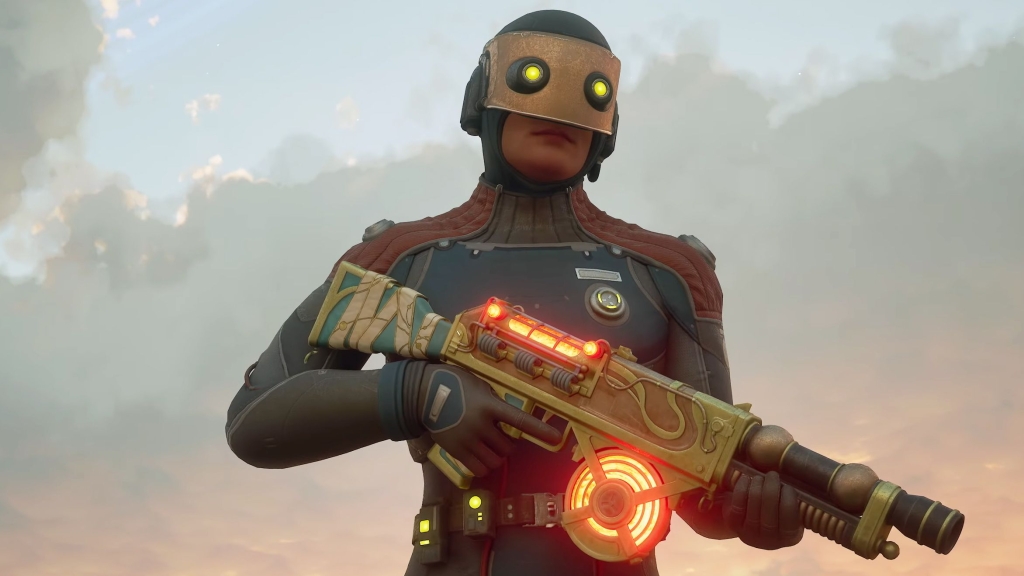
Title: The Subtle Art of Headbob: Why The Outer Worlds 2’s Camera Choice Breaks Immersion
In the vast and ever-evolving landscape of video games, the smallest details often make the biggest impact. One such detail, often overlooked but deeply felt, is headbob—the subtle camera movement that mimics the natural bob of a person’s head as they walk or run. This seemingly minor feature is a cornerstone of immersion in first-person games, and its absence can be jarring. In The Outer Worlds 2, Obsidian Entertainment’s latest RPG, the decision to omit headbob has sparked a debate among players and critics alike. Let’s dive into why this choice matters and how it affects the gaming experience.
The Power of Headbob
Headbob is more than just a visual flourish; it’s a tool that bridges the gap between the player and the game world. When done right, it makes you feel like you’re truly inhabiting the body of your character. Take Kingdom Come: Deliverance 2, for example. Its headbob is subtle yet effective, grounding the player in the physicality of their character’s movements. Compare this to The Outer Worlds 2, where the lack of headbob leaves you feeling like a floating camera rather than a living, breathing person.
The Outer Worlds 2’s Camera Dilemma
In The Outer Worlds 2, your neck feels detached from your body. The camera remains perfectly still as you walk, creating a surreal, almost robotic experience. This is particularly noticeable in an RPG, where immersion is key. The game’s developers may have opted for a steadicam approach to enhance aiming or accessibility, but the result is a disconnect that pulls you out of the experience.
A Comparison with Other RPGs
To understand how unusual this choice is, let’s look at other modern RPGs. Fallout 4 and Skyrim both feature subtle headbob, adding to their immersive qualities. Cyberpunk 2077 takes it a step further with a more pronounced bob, while Kingdom Come: Deliverance 2 nails the balance. Even Avowed, another Obsidian game, includes headbob. The fact that The Outer Worlds 2 stands out for its absence of this feature is telling.
The Case for Headbob in RPGs
In RPGs, headbob isn’t just about realism—it’s about storytelling. It helps convey the weight of your character’s movements, the rhythm of their gait, and even their personality. Overwatch, for instance, uses headbob to differentiate its heroes. Reinhardt and Orisa have a slight jerk to their steps, emphasizing their bulk, while Mercy’s smooth, bob-free movement reflects her grace. This attention to detail is what makes games feel alive.
The Outer Worlds 2’s Missed Opportunity
The Outer Worlds 2 does include some camera movement, but it’s limited to your hands when you’re holding a weapon. While this is a nice touch, it doesn’t compensate for the lack of headbob when your weapon is holstered. The result is a jarring shift between the two states, breaking the illusion of immersion. It’s a missed opportunity for a game that otherwise excels in animation and world-building.
Why Headbob Matters
Headbob is a load-bearing feature in first-person games. It’s easy to take for granted when it’s there, but its absence is immediately felt. In The Outer Worlds 2, the lack of headbob is a reminder of how much we rely on these small details to feel connected to the game world. It’s not just about realism—it’s about creating a seamless, believable experience.
The Bigger Picture
Obsidian’s decision to omit headbob in The Outer Worlds 2 raises questions about the balance between accessibility, gameplay, and immersion. While some players may not notice or mind the absence of headbob, for others, it’s a dealbreaker. The lesson here is clear: even the smallest details can have a profound impact on how we experience a game.
Tags and Viral Phrases
-
HeadbobMatters
-
ImmersionIsKey
-
TheOuterWorlds2
-
GamingDetails
-
RPGImmersion
-
CameraMovement
-
ObsidianEntertainment
-
FirstPersonGames
-
SubtleDetails
-
GamingImmersion
-
HeadbobDebate
-
GameDesign
-
PlayerExperience
-
VideoGameImmersion
-
RPGCommunity
-
GamingCommunity
-
GameDevInsights
-
GamingTrends
-
HeadbobOrNot
-
GamingImmersionMatters
In conclusion, The Outer Worlds 2 is a fantastic game with many strengths, but its decision to omit headbob is a reminder of how crucial these small details are to the overall experience. As players, we may not always notice them, but we certainly feel their absence. Here’s hoping future games—and perhaps even updates to The Outer Worlds 2—recognize the importance of headbob in creating truly immersive worlds.
,


Leave a Reply
Want to join the discussion?Feel free to contribute!