
I finally ditched LTE on my smartwatch, and I feel so much freer despite being tethered
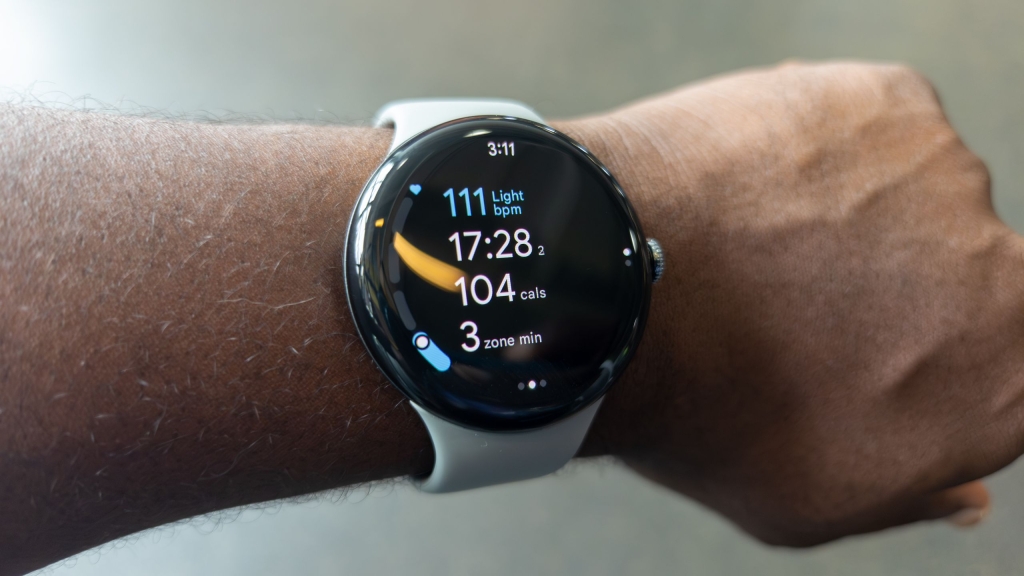
The Truth About Smartwatch LTE: Why I Ditched My Data Plan and Never Looked Back
TL;DR: Smartwatch LTE plans are a waste of money for most people. Here’s why I canceled mine and what you should consider before paying for that extra connectivity.
A few years ago, I made what seemed like a smart financial decision: I snagged a Galaxy Watch 5 from T-Mobile essentially for free—with the catch being I had to commit to a two-year LTE contract. At the time, it felt like a no-brainer. Why pay $279 upfront when I could spread the cost over time and get a smartwatch that could function independently from my phone?
Fast forward to today, with that contract finally expired, and I’ve made a decision that’s saving me serious cash: I canceled the smartwatch line entirely. The result? My Galaxy Watch 5 is now a Bluetooth/Wi-Fi-only device, and honestly, I don’t miss the LTE capabilities one bit.
T-Mobile’s Desperate Attempt to Keep My Money
When I called to cancel the line, the T-Mobile representative went into full sales mode. She painted a picture of freedom and convenience: make calls and send texts without your phone nearby, stream music during runs, navigate with Google Maps—all from your wrist.
It sounded compelling. It sounded futuristic. It sounded like exactly what I needed.
But here’s the reality check: I always have my phone with me. Always. Whether I’m at work, running errands, or even on a jog, my smartphone is within arm’s reach 99% of the time. That means every single feature she mentioned—calls, texts, navigation, music—is already available through Bluetooth connectivity.
The “Use Case” That Never Materialized
I’ll admit, I tried to justify the LTE connection when I first got the watch. I went on a few neighborhood runs, leaving my phone at home to test the independence. But here’s what I discovered: I hate running outside, and more importantly, I felt genuinely uncomfortable without my phone for even 30 minutes.
Think about that for a second. I was paying roughly $10 per month (about $120 per year) for a feature I used maybe a handful of times, and even then, I didn’t enjoy the experience.
The only legitimate use case I could come up with was those rare occasions when I might want to leave my phone behind during a workout. But even then, the convenience didn’t outweigh the ongoing cost.
My Other Smartwatches Don’t Miss LTE Either
What’s interesting is that I use multiple smartwatches in my daily life. Alongside my Galaxy Watch 5, I regularly wear Garmin watches like the Venu 4, which don’t offer LTE connectivity at all. These watches are more than capable of tracking my workouts, monitoring my health metrics, and providing smart notifications—all without a cellular connection.
The Garmin experience proved something crucial: you don’t need LTE for a smartwatch to be genuinely useful. These watches handle everything I need them to, from GPS tracking to heart rate monitoring to smartphone notifications, all through Bluetooth.
The Cold, Hard Math
Let’s break down the financial reality. A typical smartwatch line on major U.S. carriers costs around $10 per month. Over two years, that’s $240—more than the cost of many Bluetooth-only smartwatches. Over three or four years? You’re looking at $360-$480.
For what? The ability to leave your phone at home during the rare occasions you actually want to?
When LTE Actually Makes Sense
Now, I’m not saying smartwatch LTE is completely useless. There are legitimate scenarios where it’s valuable:
Emergency Satellite SOS: The Pixel Watch 4 LTE offers satellite emergency messaging, which could be genuinely lifesaving if you’re in an area without cellular coverage. This is particularly valuable for hikers, campers, or anyone who spends significant time in remote areas.
True Independence: If you’re someone who regularly leaves your phone behind—whether for work, exercise, or personal preference—LTE provides genuine freedom.
Business Use Cases: Some professionals might benefit from having a dedicated communication device on their wrist, separate from their primary phone.
But for the average consumer who keeps their phone within reach throughout the day? The value proposition becomes much harder to justify.
The Bottom Line
Since canceling my LTE plan, my Pixel Watch 3 (which also had cellular capabilities) works exactly the same as it did before. I can still make calls, send texts, control music, and use navigation—all through Bluetooth connection to my phone. The only difference is I’m no longer paying $10 per month for a feature I rarely used.
The smartwatch industry has done an excellent job marketing the idea that we need our watches to be completely independent devices. But the truth is, for most people, a smartwatch is an extension of their smartphone, not a replacement for it.
So, what’s your take? Do you find LTE on a smartwatch worth the extra cost, or are you content with Bluetooth/Wi-Fi connectivity? Let us know in the comments below!
Tags & Viral Phrases:
smartwatch LTE is a waste of money
why I canceled my smartwatch data plan
smartwatch cellular vs Bluetooth
do you really need LTE on your watch?
the hidden cost of smartwatch connectivity
smartwatch features you’re paying for but not using
emergency satellite SOS on smartwatches
smartwatch independence is overrated
save $120 per year on your smartwatch bill
Bluetooth smartwatches are good enough
Garmin vs LTE smartwatches
Pixel Watch 4 LTE satellite messaging
Galaxy Watch 5 without cellular
smartwatch data plans explained
when smartwatch LTE actually makes sense
the truth about smartwatch connectivity
stop paying for features you don’t use
smartwatch market reality check
cellular smartwatch alternatives
smartwatch cost-benefit analysis
,


Leave a Reply
Want to join the discussion?Feel free to contribute!