
I just got a near-perfect ’97’ sleep score on my Apple Watch — these are the 3 key changes I made to my bedtime routine to help me sleep better
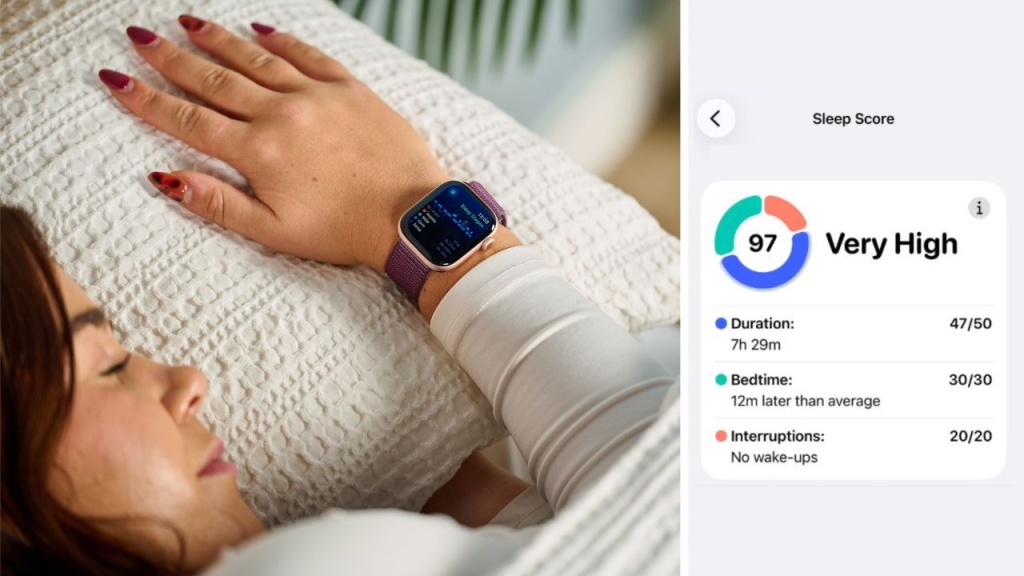
Sleep Tech Breakthrough: How I Achieved a 97/100 Sleep Score on My Apple Watch
In the ever-evolving world of sleep technology, I’ve discovered the holy grail of restful nights. After struggling with inconsistent sleep quality, I’ve managed to achieve a remarkable 97/100 sleep score on my Apple Watch—and I’m here to share exactly how I did it.
The Three Game-Changing Sleep Habits That Transformed My Nights
1. I Stopped Getting Into Bed Too Early
You might think that with darker winter evenings, you’d naturally get better sleep. After all, darkness triggers the release of melatonin, our primary sleep hormone. However, I discovered that getting into bed too early was actually sabotaging my sleep quality.
During those long winter nights in the UK, 7 PM can feel like midnight. It’s been dark for hours, it’s freezing outside, and the temptation to crawl under the covers is overwhelming. But this habit was wreaking havoc on my sleep patterns.
I was spending hours in bed scrolling through my phone or watching Netflix before my actual bedtime. By the time I should have been falling asleep, I was actually feeling wired and restless. This disrupted my natural sleep-wake cycle and fragmented my rest.
The solution? I started spending more time relaxing in my living room instead of my bedroom in the evenings. This simple change helped my brain associate my bed with actual sleep rather than entertainment or procrastination. Now, when I finally do get into bed, I fall asleep faster and stay asleep longer.
2. I Ditched My 5:30 AM Alarm (Yes, Really)
For years, I was part of the “5 AM club” cult—waking up at the crack of dawn to squeeze in a morning run before my long commute. This was my badge of productivity and dedication. But something wasn’t right.
Social media has been flooded lately with revelations about the dark side of extreme early rising. What was once celebrated as the ultimate productivity hack is now recognized as a fast track to burnout and energy crashes.
After a recent change in my work circumstances eliminated my long commute, I suddenly had more flexibility in my mornings. Instead of clinging to that punishing 5:30 AM alarm, I shifted my wake-up time to around 7 AM.
The difference has been remarkable. Without the anxiety of an early alarm looming over me the night before, I’m falling asleep more easily. I’m not waking up at 4 AM in a panic, wondering if I’ll oversleep or miss my train. My sleep has become more natural and less forced.
3. I Created a Phone-Free Bedroom Sanctuary
If you’re someone who falls into the trap of “revenge bedtime procrastination”—scrolling through social media well into the early hours—this change is crucial.
Experts consistently advise keeping your phone out of the bedroom, and for good reason. It’s not just about blue light exposure (though that’s important too). The content we consume online is inherently stimulating and often distressing.
Those funny reels might make you laugh, but they’re also keeping your brain active when it should be winding down. News headlines can trigger anxiety or worry. Even seemingly harmless social media browsing creates a state of mental alertness that’s incompatible with restful sleep.
My solution was simple but effective: I started charging my phone outside my bedroom. Instead, I’ve been reading at least 10 pages of a book before sleep. I also invested in a sunrise alarm clock, which wakes me up gradually with natural light rather than a jarring phone alarm.
This change has had multiple benefits. Reading before bed helps me stick to a consistent bedtime routine and fall asleep faster. Not having my phone nearby means I can’t check the time when I briefly wake up during the night. Without those mental calculations about how many hours I’ve slept or how long until my alarm goes off, I simply drift back to sleep peacefully.
The Results: Before and After
Before implementing these changes, I’d describe myself as a decent sleeper. But after a particularly stressful December and January, my sleep scores were slipping. I wasn’t getting the quality rest my body needed, especially with marathon training on the horizon.
My Apple Watch was clearly picking up on this suboptimal sleep. Here’s the data that proves these changes worked:
Before the changes (December-January):
- Average sleep score: around 75-80
- Average sleep duration: inconsistent, often less than 7 hours
- Frequent wake-ups and fragmented sleep cycles
After implementing the changes (last week):
- Sleep score: 97/100 (highest I’ve achieved in a long time)
- Sleep duration: consistent 7.5 hours (the ideal amount)
- Stable sleep cycles with ample time in deep and REM sleep stages
- Significantly fewer interruptions
The sleep stage data tells the real story. My sleep cycles are now much more stable, with substantial time spent in restorative deep sleep and REM sleep. I’m not getting that fragmented, less restorative core sleep anymore—and this is all thanks to better preparing my body and mind for quality sleep.
Why This Matters
Sleep isn’t just about feeling rested. It’s crucial for physical recovery, mental health, cognitive function, and athletic performance. As someone training for a marathon, quality sleep is non-negotiable for my body to repair and strengthen itself.
But even if you’re not an athlete, these principles apply to everyone. Good sleep is the foundation of good health, productivity, and overall quality of life.
My Commitment Moving Forward
I’m not treating these changes as temporary fixes. This is now my permanent sleep routine. The 97/100 score wasn’t a fluke—it was the result of consistent, mindful sleep habits that I plan to maintain.
The beauty of these changes is that they’re sustainable. I’m not relying on sleep supplements or expensive gadgets (though my sunrise alarm clock has been a worthwhile investment). These are simple behavioral changes that anyone can implement.
If you’re struggling with sleep quality, I encourage you to try these three approaches. Start with one if three feels overwhelming. You might be surprised at how much better you can feel with just a few intentional changes to your sleep routine.
Remember: sleep is not a luxury—it’s a necessity. And with the right habits, you can transform your nights and supercharge your days.
viral tags: sleep score breakthrough, Apple Watch sleep tracking, 97/100 sleep achievement, sleep hygiene revolution, bedtime routine optimization, phone-free bedroom, early alarm anxiety, revenge bedtime procrastination, marathon training sleep, melatonin optimization, deep sleep restoration, REM sleep quality, sleep cycle stability, sunrise alarm benefits, bedroom as sleep sanctuary, sustainable sleep habits, sleep tech success story, wellness optimization, nighttime routine mastery, sleep anxiety elimination, productivity vs rest balance, sleep quality transformation, behavioral sleep changes, mental health and sleep, athletic recovery through sleep, sleep tracking data analysis, bedtime procrastination solution, sleep hormone regulation, core sleep vs restorative sleep, sleep consistency importance
,

Leave a Reply
Want to join the discussion?Feel free to contribute!