
I put a privacy screen on my Galaxy S25 Ultra but quickly regretted it – here’s why
The Hidden Dangers of Privacy Screen Protectors: My 2-Week Nightmare with the Galaxy S25 Ultra
TL;DR: Privacy screen protectors sound like a great idea until your phone’s brightness goes haywire and your fingerprint sensor stops working. Here’s my unfiltered experience with the ESR privacy screen protector on my Galaxy S25 Ultra.
The Privacy Promise That Turned Into a Tech Nightmare
As someone who lives and breathes smartphone technology, I thought I’d found the perfect solution to my public transit privacy concerns: a privacy screen protector for my brand-new Galaxy S25 Ultra. What could possibly go wrong?
The installation was flawless—ESR’s guide tray made it feel like a professional job. For the first few hours, I was in privacy heaven. My emails, banking apps, and personal messages were shielded from prying eyes with that magical two-way filter that turned my vibrant display into a black mirror from any angle except straight-on.
But then reality hit harder than a New York City subway turnstile during rush hour.
The Brightness Betrayal
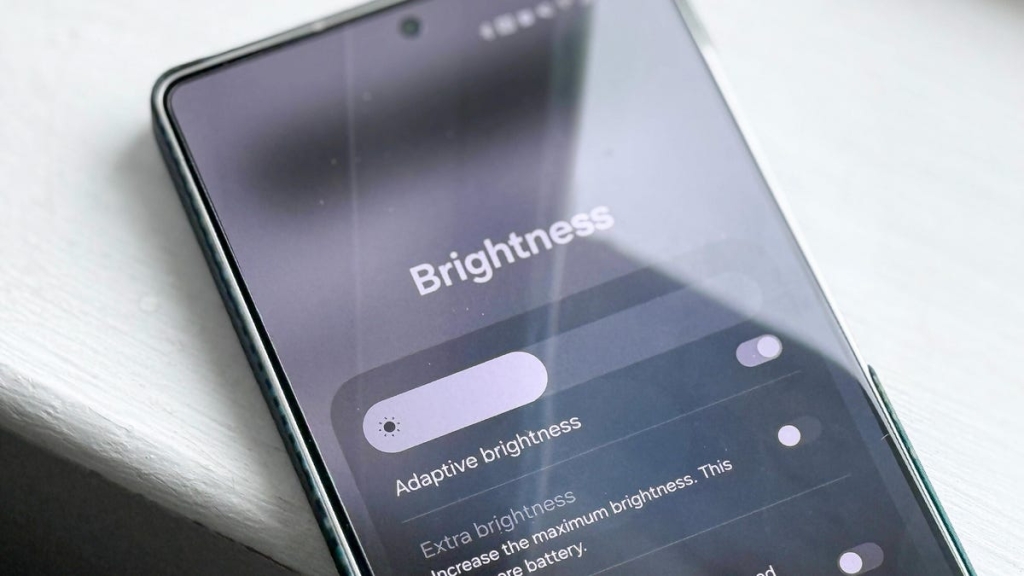
Picture this: I’m sitting in a well-lit coffee shop, catching up on work emails, when suddenly my screen dims to what feels like 30% brightness. I’m not talking about a subtle adjustment—this was a dramatic plunge into darkness that made me question whether my $1,299 phone was dying on me.
After ruling out every possible cause (shadow interference, app conflicts, software bugs), I discovered the culprit: the privacy screen protector’s tinting was tricking my phone’s ambient light sensor. My Galaxy S25 Ultra genuinely thought it was darker than it actually was, constantly overcompensating and leaving me squinting at my screen like I’d forgotten my reading glasses.
The irony? A privacy accessory that makes your phone harder to see for legitimate use.
The Fingerprint Fiasco
If the brightness issues were annoying, the fingerprint sensor problems were infuriating. My Galaxy S25 Ultra’s ultrasonic fingerprint sensor—one of the most advanced on the market—suddenly became as reliable as a weather forecast.
The extra thickness of the privacy screen protector meant my phone was constantly asking for “more pressure” or requesting a second attempt. For someone who unlocks their phone dozens of times per day for work authentications, banking, and app access, this wasn’t just inconvenient—it was a productivity killer.
I recalibrated my fingerprints multiple times, but the improvement was marginal at best. Eventually, I found myself relying more on facial recognition, which isn’t always practical (try unlocking your phone while it’s on your desk or when you’re wearing a mask).
The Breaking Point
After two weeks of this digital torture, I made the difficult decision to remove the privacy screen protector. Yes, I sacrificed the ability to browse sensitive information in public without risk, but I gained back:
- Reliable brightness adjustments that actually match my environment
- A fingerprint sensor that works on the first try, every time
- A display that looks as vibrant as Samsung intended
- The ability to actually see my screen when I’m not looking at it dead-on
The Verdict: Privacy at What Cost?
Privacy screen protectors aren’t inherently bad—they work exactly as advertised in terms of blocking side-angle viewing. But they come with significant trade-offs that manufacturers rarely mention:
- Brightness distortion that can strain your eyes and drain your battery faster
- Touch sensitivity issues that affect everything from typing to gaming
- Biometric authentication failures that compromise both convenience and security
- Display quality degradation that undermines your phone’s premium screen technology
For the Privacy-Conscious User
If you’re still considering a privacy screen protector, here’s my hard-earned advice:
- Test before committing – Many retailers offer trial periods
- Consider alternatives – Privacy screen apps, mindful phone positioning, or simply being aware of your surroundings
- Know your priorities – Is the privacy benefit worth the daily friction?
Tags & Viral Phrases
privacy screen protector fails, Galaxy S25 Ultra problems, smartphone privacy mistakes, tech accessories that don’t work, why your phone brightness is broken, fingerprint sensor not working, ESR screen protector review, smartphone privacy paradox, tech gadgets that backfire, daily tech frustrations, mobile security trade-offs, why I removed my screen protector, smartphone usability issues, tech product disappointments, privacy vs convenience dilemma
,

Leave a Reply
Want to join the discussion?Feel free to contribute!